
LG is a major global appliance maker with factories and partner arrangements across many countries, and this article breaks down how that footprint works, where key products are built, why partnerships matter, and how manufacturing choices affect supply chains and local markets.
LG operates a mix of owned factories and outsourced production, spreading manufacturing across Asia, Europe, and the Americas to balance cost, speed, and market access. That hybrid approach lets the company scale for large categories while keeping flexibility to shift volumes between sites when demand changes. It is a pragmatic model that many global brands favor when facing tariffs, logistics shifts, or sudden spikes in orders.
South Korea remains central for research, high-end engineering, and some premium production lines, but much of LG’s volume manufacturing happens where labor and logistics costs align with scale economics. Countries in Southeast Asia, notably Vietnam and India, host extensive appliance assembly lines that serve both regional needs and exports. Meanwhile, plants in Europe and North America focus on regional assembly and customization to avoid import penalties and to provide faster after-sales service.
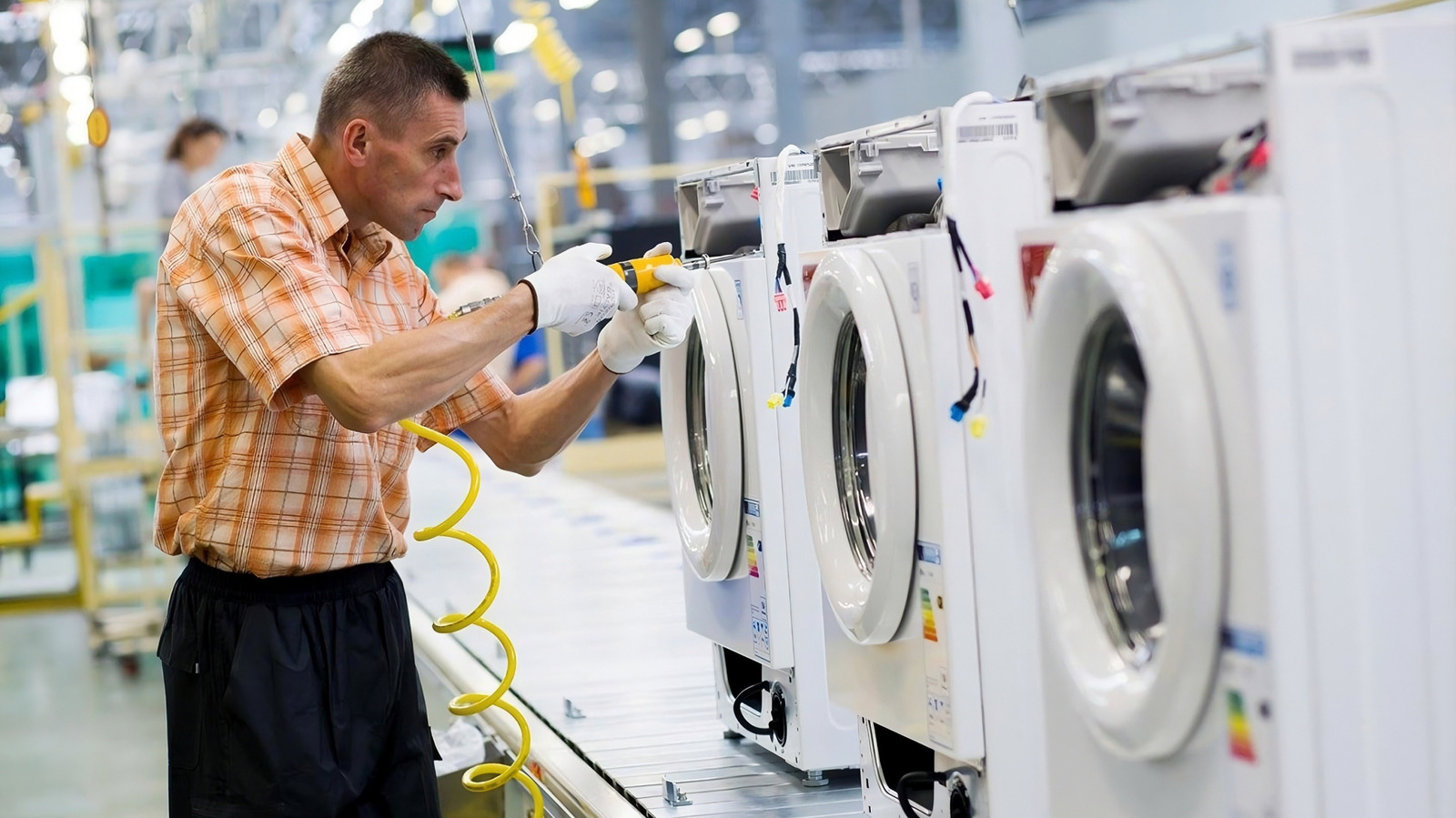
Product allocation across sites is driven by complexity and scale: heavy, bulky items that benefit from regional assembly such as refrigerators and laundry machines often get produced close to final markets, while specialized components and high-tech modules are concentrated in facilities with the necessary expertise. Affiliates that focus on displays and electronics feed into appliance assembly lines, meaning the overall footprint is a network rather than isolated factories. That setup reduces long-haul shipping of finished units and helps control inventory and lead times.
Partnerships and local contracts are a big part of the picture, with LG working alongside component suppliers, contract manufacturers, and service partners to round out capacity. These relationships let LG tap local know-how for sourcing compressors, motors, and control electronics without building every capability in-house. They also create political and commercial advantages, because local partners can help navigate regulations, labor rules, and distribution channels more nimbly than a distant headquarters.
Supply chain resilience has become a higher priority, so LG mixes local sourcing, regional hubs, and backup suppliers to keep production flowing during disruptions. Investments in automation and factory digitization also help the company squeeze more output from existing plants and maintain consistent quality across locations. That combination of redundancy and technology aims to shorten the time between order and delivery while keeping defect rates low and warranty service predictable.
The global footprint has clear effects on jobs and local economies: plants hire engineers, line workers, logistics staff, and service technicians, and they create downstream demand for parts suppliers and maintenance services. At the same time, multinational manufacturing draws scrutiny around labor practices and environmental impact, and companies like LG must balance efficiency with compliance and community expectations. Sustainability goals and energy-efficient product demands are reshaping how facilities operate, from waste management to electrification of processes.
Geopolitics and trade policy will keep nudging where production sits, and LG is likely to continue adjusting its map to avoid tariffs, shorten supply routes, and respond to consumer preferences for region-specific features. Expect more focus on modular designs that travel well between plants, on tighter partnerships that speed component flows, and on service networks that get parts to homes faster. These moves aren’t just about cutting costs; they’re about keeping products competitive and reliable where customers live and buy them.
