
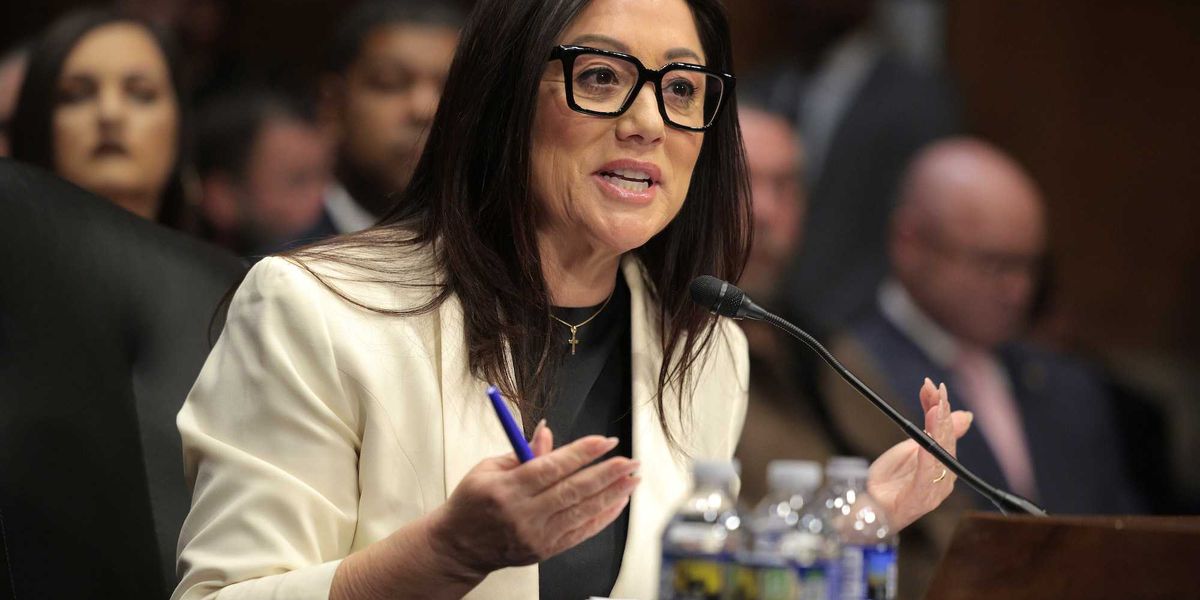
Lori Chavez-DeRemer is leaving the Department of Labor after a rocky 13 months, stepping into the private sector while several staff controversies and personnel moves shadowed her tenure. The White House praised her work, and Deputy Secretary Keith Sonderling will serve as acting head as the transition begins. The story touches on her pro-union Republican background, internal misconduct probes, and the broader movement in President Trump’s cabinet.
The White House framed the departure as a normal transition and highlighted accomplishments aimed at helping workers and streamlining labor-business relations. In its statement, officials credited her with focusing on skills training and policies that put American workers first. That messaging fits the administration’s priority of marrying business flexibility with solid worker protections.
“Labor Secretary Lori Chavez-DeRemer will be leaving the Administration to take a position in the private sector,” White House Director of Communications Steven Cheung said . “She has done a phenomenal job in her role by protecting American workers, enacting fair labor practices, and helping Americans gain additional skills to improve their lives.”
Chavez-DeRemer’s background was always a notable part of her profile: she came into the job as a pro-union Republican who had earned support across the aisle. That mix helped get her confirmed with crucial Democratic backing on a key committee. It also set expectations that she would try to bridge labor and management rather than take a purely partisan path.
Her tenure, however, was not free of turbulence. Reports surfaced about personnel matters that drew scrutiny, including an allegation that led to her husband being restricted from department offices while an inquiry unfolded. A criminal probe tied to those claims was closed, but the situation lingered publicly and complicated the department’s work environment.
https://x.com/StevenCheung47/status/2046336343387558053
In addition, two aides were removed in March after allegations of misconduct that reportedly included drinking on the job and inappropriate trips while on department business. Those actions fed an image of instability for an agency tasked with enforcing workplace standards and overseeing worker protections. The departures of aides put added pressure on senior leadership to stabilize operations quickly.
Chavez-DeRemer issued a on social media as well. “It has been an honor and a privilege to serve in this historic Administration and work for the greatest President of my lifetime,” she wrote, signaling respect for the office and a willingness to move on without extended public conflict.
“At the Department of Labor, I am proud that we made significant progress in advancing President Trump’s mission to bridge the gap between business and labor and always put the American worker first,” she added in public statements. “While my time serving in the Administration comes to a conclusion, it doesn’t mean I will stop fighting for American workers. I am looking forward to what the future has in store as I depart for the private sector.”
The immediate operational change is straightforward: Deputy Secretary Keith Sonderling will step in as acting director and carry the department’s day-to-day work. For a Republican administration that emphasizes continuity, such internal promotions are a common way to keep policy direction steady while a permanent successor is selected. This keeps enforcement of labor rules and skills programs moving without a lengthy leadership gap.
Her exit comes amid a brief wave of recent departures from the cabinet, following other shakeups in key posts. Those changes suggest a period of recalibration inside the administration as it positions leaders who can execute a pro-worker, pro-business agenda. For supporters, the focus will be on finding a replacement who can maintain the balance between protecting workers and keeping the economy open for growth.
As Chavez-DeRemer heads to the private sector, her blend of pro-union stances and Republican alignment leaves a mixed legacy that allies and critics will interpret differently. For Republicans, the takeaway is pragmatic: deliver results for workers, keep lines open with labor groups, and avoid letting personnel problems derail policy goals. The department now moves into a new phase under acting leadership, with the same mission but a refreshed team to carry it forward.
