
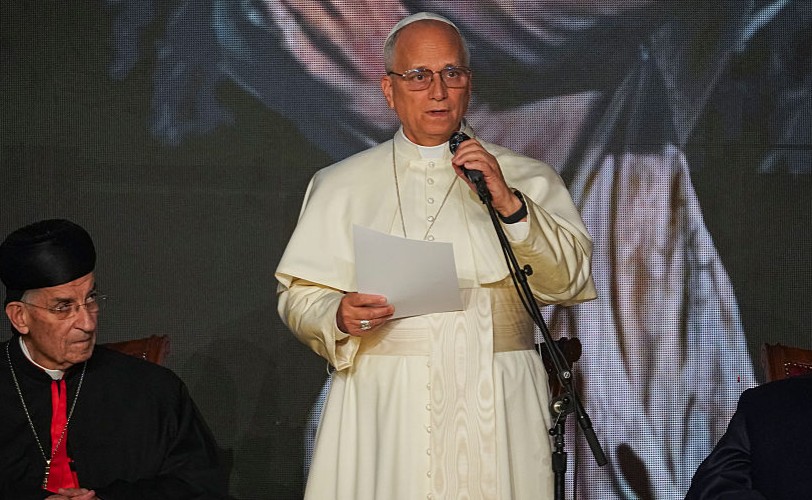
The pope’s recent remarks at an interfaith gathering read like a careful diplomatic gesture toward Muslim communities, but they stopped short of a clear, public reaffirmation that Jesus Christ is the one true God and that the Catholic Church is the one true Church. That tension between pastoral outreach and doctrinal clarity sits at the heart of the reaction among many Catholics. This piece looks at what the address signals, why some faithful are uneasy, and what the broader implications might be for Catholic identity and interfaith relations.
The event itself was framed as an effort to build goodwill and common ground, focusing on shared moral concerns and human dignity. Those goals are understandable—religious leaders often meet to address global problems where cooperation is useful. Still, when a pope speaks in an interfaith context, words carry theological weight, and silence or softening on central claims can feel significant to believers.
For many Catholics, the core doctrine that Jesus is divine and that the Church holds a unique place in salvation history is nonnegotiable. When public addresses emphasize collaboration without reasserting those doctrinal anchors, some see a drift toward ambiguity. That worry isn’t just academic; it affects how ordinary people understand the faith and how clergy teach the next generation.
Supporters of a more dialogical approach argue that emphasis on shared values doesn’t deny doctrine, it simply prioritizes peaceful coexistence and practical cooperation on issues like poverty, migration, and peacebuilding. They say the pope’s tone aims to prevent alienation and to open channels for witness where hostility might otherwise block any engagement. This pragmatic defense insists that evangelization can happen through respectful relationships rather than confrontational declarations.
Critics counter that meaningful dialogue depends on clarity, not vagueness. If participants in interfaith talks leave convinced that all paths are equally salvific, the distinctiveness of Christian proclamation risks being lost. The tension is between building bridges and preserving boundaries, between missionary identity and diplomatic posture. Both aims can be legitimate, but they pull in different directions.
Practical consequences follow from which emphasis dominates. Parish catechesis, for example, can become muddled when leaders model indefinite language in public forums. Laypeople may wonder whether the Church’s historic claims still hold the same force, and that uncertainty can breed confusion or apathy. Conversely, a tone that is exclusively assertive could shut down opportunities to reduce tension and collaborate on urgent social problems.
What the moment calls for is thoughtful balance. A pope who wants fruitful interreligious relations can use clear language to reassure believers while still inviting cooperation on shared goods. That means stating essential Christian convictions without undercutting the humanitarian reasons for joining with others. The debate this address sparked is less about motives than about method: how to be faithful to doctrine while engaging a plural world in ways that are honest, effective, and pastorally sensitive.
