
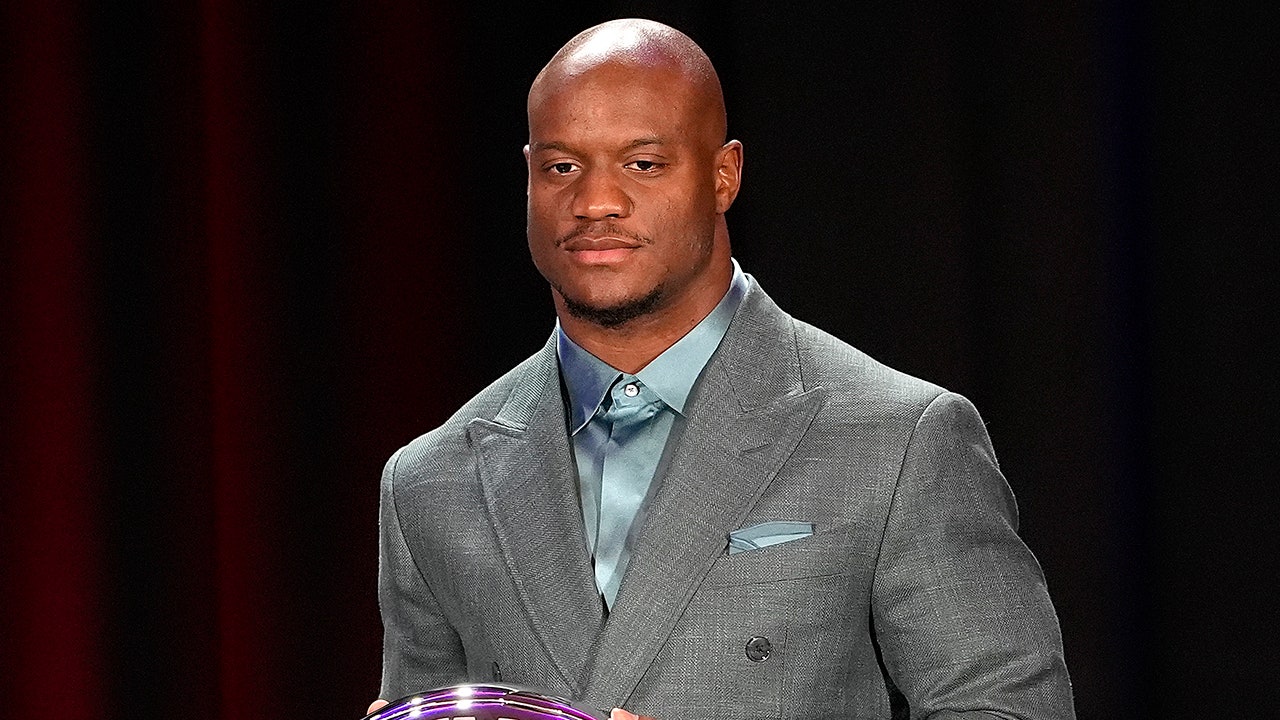
Kenneth Walker III’s future with the Seattle Seahawks suddenly looks wide open after the team declined to use the franchise tag, setting the stage for a potentially busy and unpredictable free agency for a young running back. This article breaks down why Seattle might have made that call, what options Walker could have when the market opens, and how his situation reflects shifting values for running backs across the league. Expect a clear look at cap math, player leverage, and realistic landing spots without heavy hype.
“Kenneth Walker III appears headed toward free agency after the Seahawks didn’t use a franchise tag, becoming the fourth Super Bowl MVP to test the market in the past three decades.” That line captures the immediate takeaway, even if the larger story is about how teams balance production with price. Walker’s tape and numbers matter, but so do the roster context and the age curve for the position. Teams are weighing yards, durability, and schemes when deciding whether to chase a running back in free agency.
The Seahawks’ choice not to tag Walker signals priorities in both cap management and roster construction. Tagging a running back can be expensive and locks a team into a one-year commitment that pushes long-term decisions down the road. Seattle faces other roster needs and a need to spread limited salary cap resources across the offensive line, pass rush, and quarterback support. That reality often nudges teams toward letting a talent test the market instead of making a single-player bet.
From Walker’s perspective, testing free agency gives him leverage and options, but it also brings risk. Running backs typically earn shorter, less secure contracts than quarterbacks or elite pass rushers, so Walker must weigh immediate payday against longer-term security. A strong showing in market interest could buy him a multi-year deal, but a crowded market or injury concerns could reduce offers. His camp will need to present a clear case: production, pass-catching ability, and durability.
Market dynamics for running backs have shifted in recent years, with teams often valuing position depth and committee approaches over franchise-caliber investments. Analytics and efficiency metrics play a larger role now, meaning yards per touch and pass-proficiency are scrutinized as much as raw rushing totals. Teams will evaluate how Walker fits into modern offense designs that emphasize passing and pace. Smart suitors will marry scheme fit with cost-effective contract structures.
Potential suitors will vary from contenders needing a complementary back to rebuilding teams offering volume and role clarity. A playoff-caliber team might offer a shorter, high-value contract that fits under a tight cap and preserves flexibility. Rebuilding clubs could promise a featured role and multi-year security but might not match immediate dollar expectations. Walker’s decision will likely balance chance to win now with financial and role certainty.
Contract structure will be central to negotiations because running backs frequently receive deals laden with incentives and modest guarantees. Teams often prefer conditional bonuses and per-game incentives that limit downside while rewarding performance. Walker’s camp should push for guaranteed money up front and clever offsets that protect him if the role diminishes. Meanwhile, teams will push back with risk mitigation clauses based on touch counts and health history.
Seattle’s internal calculus also matters: the decision not to tag suggests a belief that they can replace a portion of Walker’s production elsewhere or redistribute snaps effectively. The coaching staff and front office might be eyeing cheaper veteran options, younger backups, or draft additions to fill the gap. That approach accepts short-term uncertainty in exchange for roster flexibility and the ability to address other pressing needs around the roster.
Fan reaction can be loud and emotional, but the reality is often more nuanced. Supporters understandably want their top playmakers retained, yet the front office must balance fan sentiment with sustainable roster planning. If Walker lands elsewhere and thrives, Seattle will face scrutiny for the choice not to tag. If he signs a deal with heavy performance contingencies, the decision might look prescient. The human element matters; players and teams navigate careers and windows, not headlines.
Ultimately, Walker’s free agency will be a test case in modern running back valuation and team building. Expect a flurry of early calls, measured offers, and strategic maneuvers as teams decide whether to invest in a clear-cut starter or spread resources across multiple needs. Walker’s priorities, the offers on the table, and timing will determine whether he secures the type of deal his production merits or opts for a shorter prove-it contract to chase bigger value later.
