
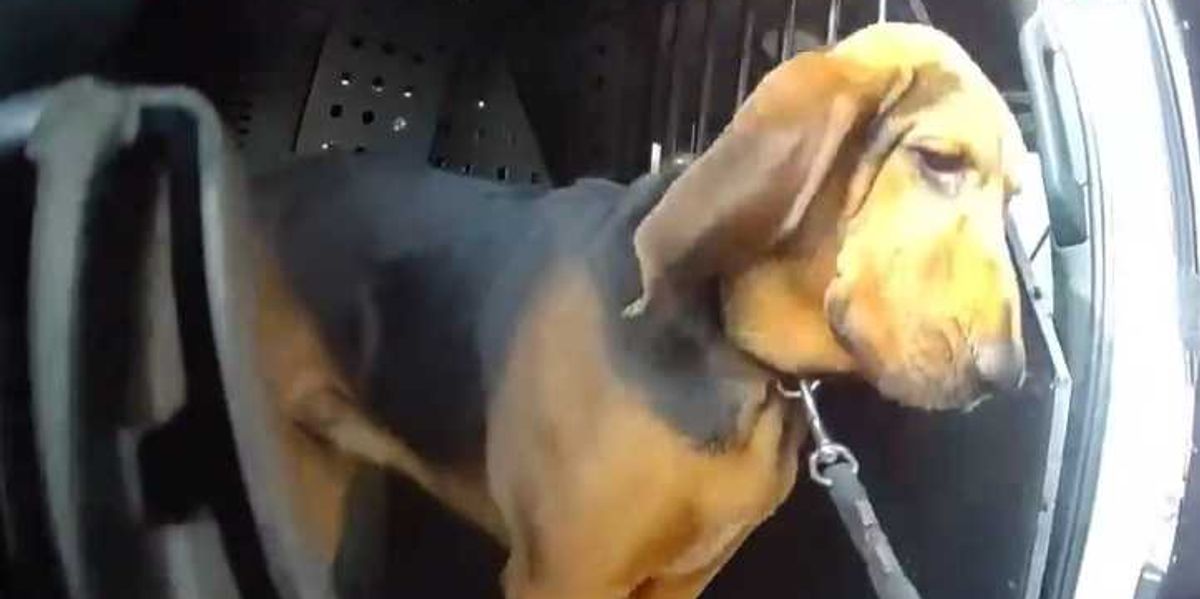
Boomer the K-9 led deputies straight to a missing 96-year-old man near Lutz, Florida, turning a tense search into a quick rescue; this piece recounts how the call came in, why time mattered, how the dog was put on his scent, and how the moment unfolded on bodycam. The story highlights the terrain, the urgency from rising temperatures, and the exact words captured when Boomer closed the gap. It also touches on why trained dogs and steady handlers make all the difference when every minute counts.
The Hillsborough County Sheriff’s Office got the alert about Ray Cornett, described as an endangered person, after he disappeared not far from his Lutz home, roughly 15 miles north of Tampa. Search teams faced a patch of swampy ground threaded with trees and thick undergrowth that can slow even experienced responders. With the thermostat climbing toward the high 80s and 90s, the clock was an extra reason to move fast.
Deputies rolled into the area around 6 p.m., and the handler prepared K-9 Officer Boomer by letting him smell some of Cornett’s belongings to lock in the scent. That ritual of scent work is simple but crucial; it gives a dog a clear trail to follow through confusing terrain. The handler’s next command was short and direct: “Find him!”
Boomer needed little else and sprang into the brush with purpose, noses and paws doing what training and instinct had taught him. Video captured the dog cutting through the undergrowth, weaving between roots and low branches as deputies followed. The scene shifted from anxious searching to focused tracking in a matter of minutes.
It did not take long before the handler’s voice changed from instruction to triumph; at 6:21 he called out, “He’s right here!” and then let out the unmistakable praise: ‘Good boy! Good boy, Boomer!’
Cornett was located roughly 200 yards from his home and deputies reported he was returned home safely and believed to be unharmed. Finding an elderly person that distance away, in rough ground and under warm conditions, could have had a very different ending without a trained K-9 unit. The speed of the find mattered as much as the find itself.
K-9 teams like Boomer and his handler are built on repetition, trust, and careful conditioning, and this case shows how those pieces come together under pressure. Dogs are trained to focus on scent cues and ignore distractions, while handlers learn to read a dog’s body language and guide the search efficiently. When those elements sync, the result is a fast, targeted response that reduces risk to the missing person and the search team.
Bodycam video and social posts from the sheriff’s office gave neighbors and viewers a clear look at the moment Boomer closed in, turning a tense neighborhood search into a scene of relief. The raw footage carries an immediacy that written reports can only hint at: the shuffle of boots, the rustle of leaves, the handler’s voice cutting through it all, and Boomer moving like he had a mission. Seeing it helps people understand why agencies invest time and resources in K-9 training.
There are practical takeaways beyond the applause for a job well done: make sure vulnerable family members have clear identification, keep an eye on local weather and mobility risks, and know how to contact your local agencies if someone goes missing. For the people who watched the footage or were nearby that evening, the image of a focused dog leading deputies through the trees is a reminder of how preparedness, training, and quick action come together to protect community members.
