The Iowa primary reshuffled the state’s top races and handed Republicans a mixed bag of wins and warnings: a surprise outright gubernatorial victory, a big Senate primary rout for a Trump-backed candidate, and clear signals that turnout will decide November. Voters chose who will square off in two open statewide contests after incumbents stepped aside, and the post-primary talking points already sound like a rehearsal for a high-stakes general election. This piece walks through the results, the polling surprises, and why turnout—not pundit predictions—will matter most in the fall.
Two major openings set the stage: Gov. Kim Reynolds opted not to run again and Sen. Joni Ernst signaled she would not seek another term. That created rare open-seat contests in a state Republicans have dominated in recent cycles, so both parties poured attention and energy into Iowa. The outcome of these primaries will shape the November map more than any single poll did.
The Republican gubernatorial field started crowded and uncertain, with five contenders vying to replace Reynolds. Late May polling showed no clear majority favorite and suggested a convention could pick the nominee, but primary night told a different story. Voters ultimately chose a clear plurality, avoiding the messy convention route pollsters expected.
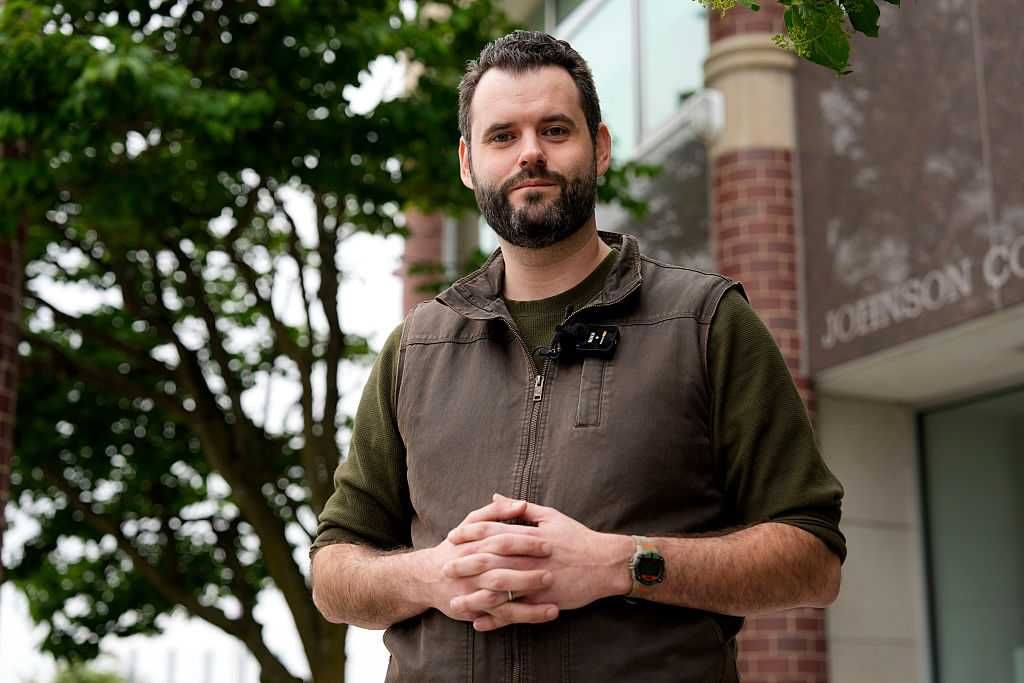
President Donald Trump backed one contender, lending national attention and a high-profile endorsement to that campaign. As returns rolled in, two names emerged at the top and the margin tightened into the night. BlazeTV’s Steve Deace , “I’ve seen enough. @ZachLahn will be the GOP nominee for governor in Iowa.”
As the count advanced, projections shifted and networks began declaring a winner late into the evening. projected at 11:30 p.m. Eastern that Lahn would win the election against challenger Feenstra. The eventual tally gave the leading Republican more than the 35% threshold needed to avoid a party convention, proving the polls were off and voters coalesced behind a single choice.
The Trump-backed candidate made a strong showing but ultimately fell short and conceded when the gap became clear. Feenstra called Lahn Tuesday evening to concede. The Republican nominee now faces the Democratic ticket in November, and the math on turnout and messaging will decide that race.
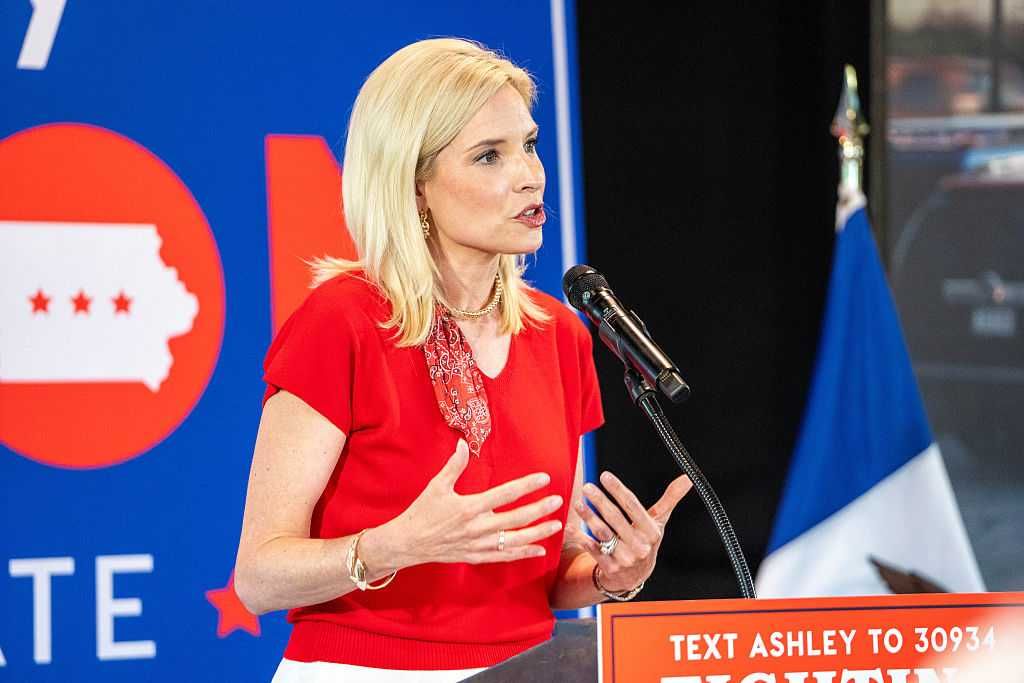
The U.S. Senate primary delivered a cleaner result. Ashley Hinson, who had strong backing and was favored in surveys, won by a substantial margin over former state Rep. Jim Carlin. The victory was decisive and quick to be projected as the polls closed, handing Republicans a clear nominee to take into the general election.
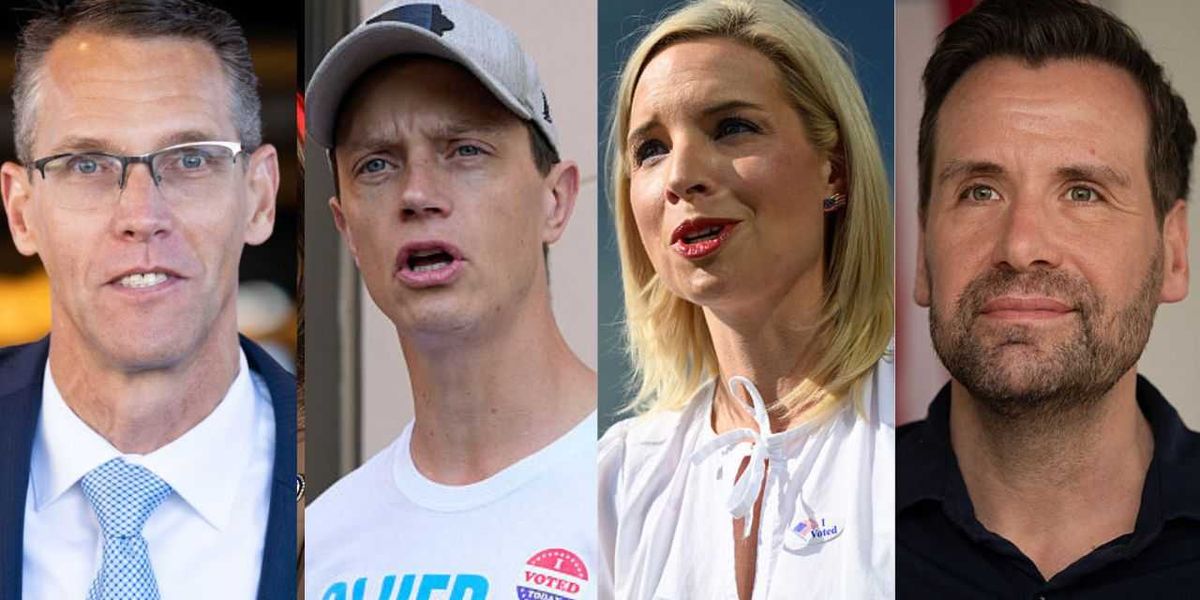
The Democratic side produced its own dynamic matchup, with Josh Turek defeating Zach Wahls in their primary. That sets the stage for a fall campaign between Hinson and Turek, with each side already sharpening its themes for a statewide contest. Iowa voters will see a contrast between a GOP nominee who won comfortably and a Democrat who emerged from a competitive primary.
Commentators and activists wasted no time parsing what these results mean nationally and locally. “We better hope the Democrats follow their heart with Zach Wahls and not their heads with Josh Turek, because the latter has run the best and most inspiring messaging I’ve seen from a Democrat statewide in Iowa in many years,” Deace wrote in a on X. “Wahls is a construct of every Leftist fetish normies vote against if the economy isn’t totally in the tank. But if Turek is their nominee, the US Senate race in Iowa will be a way tougher pull for our side this fall. He gives normies a reason to vote for him and not just against Trump.”
Voter registration figures and turnout numbers are already a headline concern for Republican strategists. Deace also pointed to registration advantages and warned that complacency could be costly: ‘We now have the most Republicans ever. … There is no excuse for [Democratic] turnout to exceed ours here, but if that happens again … uh-oh.’ That blunt assessment underlines a simple truth for the GOP: registration leads matter, but they only win elections if voters show up.
https://x.com/SteveDeaceShow/status/2062007427562700862
With nominations set, Iowa shifts focus to the general election calendar and the operational work that wins votes. Campaigns will now pivot to messaging, ground game, and protecting their advantage on election day. The prime lesson from this primary season is clear—expect sharp, local fights and know that turnout will be the deciding variable in November.