
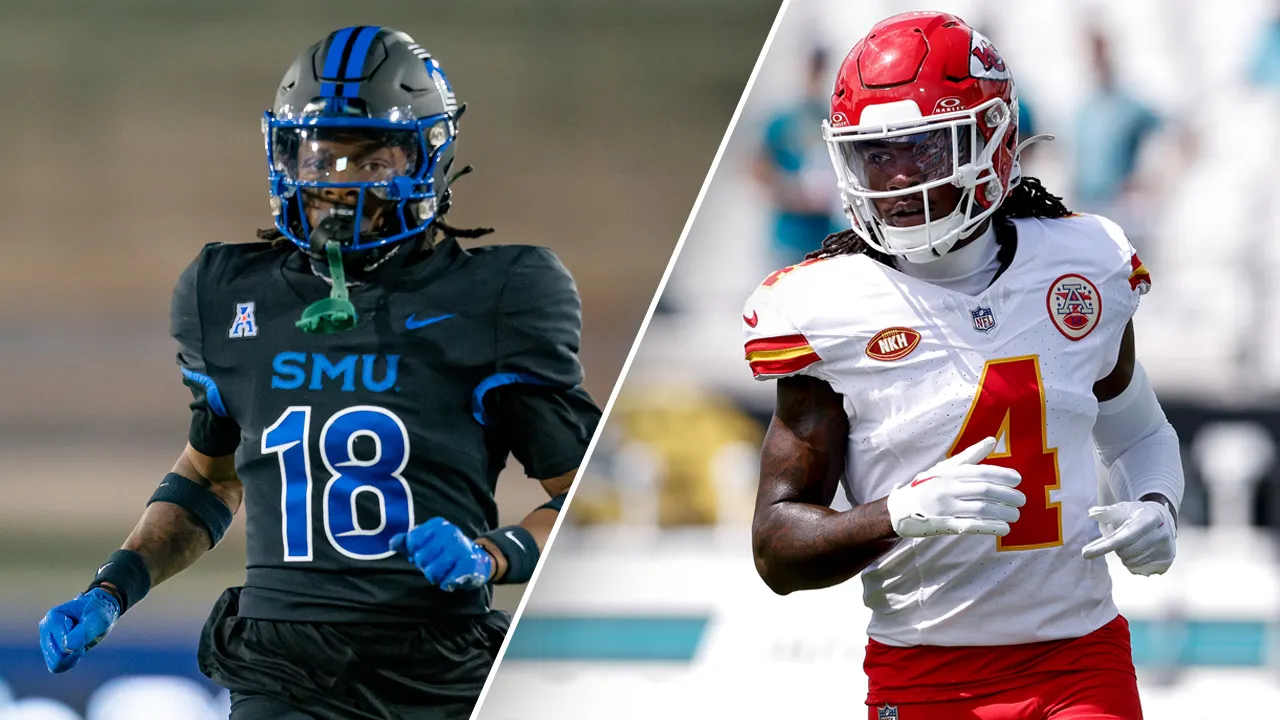
The case centers on a default judgment tied to a high-profile 2024 Dallas crash involving a Lamborghini, and it now carries a multimillion-dollar price tag for one of the drivers. Court action moved quickly after claims were filed and left a clear civil penalty on the books. This piece lays out what happened, who is tied to the bill, and what to watch next in the legal fallout.
The collision in Dallas drew attention because it involved a luxury supercar and reported street racing activity, which raised questions about responsibility. Local coverage and public interest pushed the incident into the spotlight, prompting civil suits in its wake. Those suits accused participants and possibly associated parties of negligence and damage that courts must sort out.
When a plaintiff wins a default judgment it generally means the defendant failed to respond to the lawsuit in the time required by law. A default judgment lets the court enter a monetary award without a contested trial, though it can be challenged later under specific circumstances. The $2.88 million figure reflects damages the judge deemed appropriate based on the plaintiffs’ filings and claimed losses.
“Teddy Knox, who was racing Rashee Rice’s Lamborghini in a 2024 Dallas crash, was ordered to pay $2.88 million in a default judgment lawsuit.” That sentence captures the court’s immediate ruling and the central name tied to the financial judgment. It also frames the basic legal assignment: a named driver has been held financially responsible in civil court for their role in the collision.
The immediate practical effect is financial pressure on the person hit with the judgment, who may need to post appeals bonds, negotiate payment plans, or face collection measures. Courts can enforce judgments via wage garnishment, liens on property, or seizure of certain assets where permitted by law. Defendants sometimes move to vacate default judgments by showing excusable neglect or a meritorious defense, but success is not guaranteed.
Vehicle ownership and control are often focal points in these cases, because lenders, owners, or drivers can each face exposure depending on the facts. If a car is being used without appropriate insurance coverage or if policies exclude racing activity, plaintiffs look to other actors for compensation. That creates a chain of financial and legal consequences far beyond the initial crash scene.
There’s a public-policy angle too: when street or informal racing leads to crashes, the civil system becomes a backstop for victims seeking compensation where criminal charges may not fully address financial harm. Civil suits do not require the same burden of proof as criminal prosecutions, which is why plaintiffs often pursue both paths. The monetary awards aim to cover medical bills, property damage, and sometimes punitive elements where egregious conduct is alleged.
What happens next will depend on procedural moves and potential appeals, and the timeline can stretch for months or years. The defendant can ask the court to reconsider the default judgment by showing a valid reason for missing deadlines, or work with plaintiffs on settlement terms that reduce uncertainty. Monitor filings for motions to vacate, settlement notices, or appellate dockets that change the posture of the case.
Court records and future filings will reveal how this judgment is enforced or altered, and whether the civil penalty stands as ordered. The situation highlights how a single high-speed incident can generate long-term legal and financial consequences for those involved. Observers and affected parties will be watching the legal steps that follow to see whether the penalty is collected, negotiated down, or overturned.
