
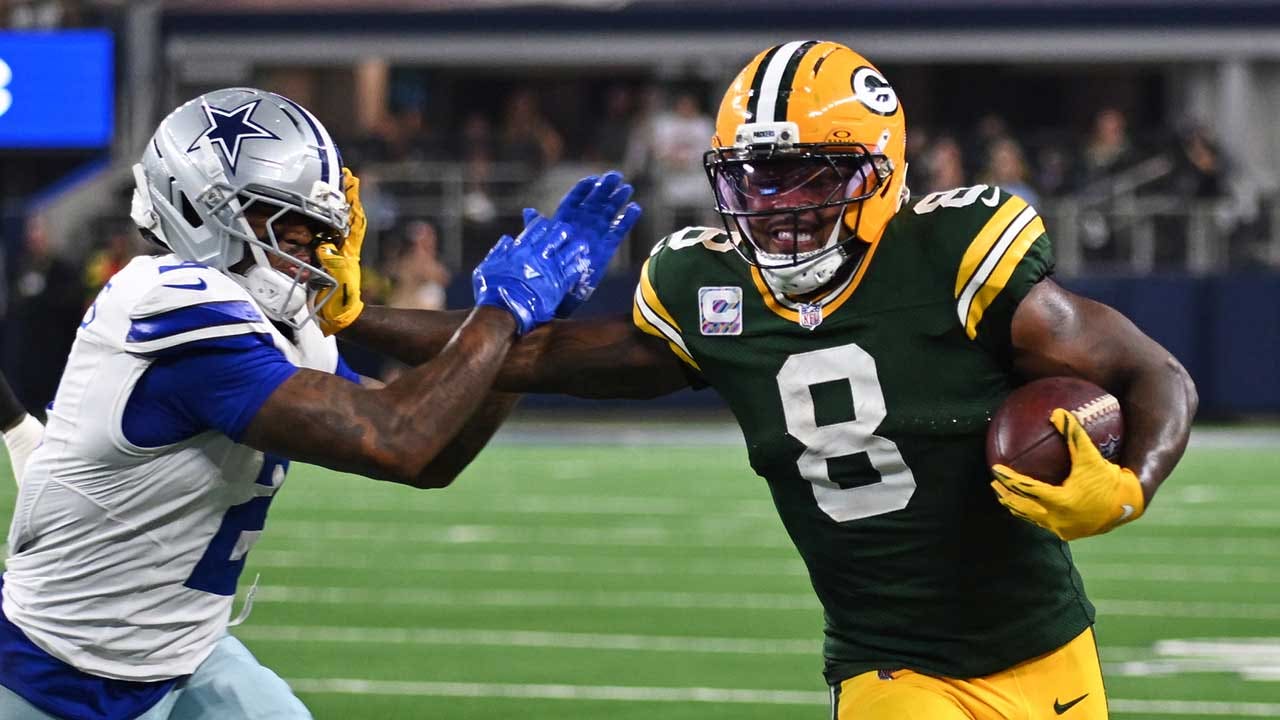
Josh Jacobs, the three-time Pro Bowl running back, was arrested in Wisconsin on five domestic abuse charges, and his legal team has pushed back against the accusations. This article walks through the basics of what happened, reviews Jacobs’ standing in the league, outlines how the legal and NFL processes typically play out, and notes how fans and organizations often react when a high-profile athlete faces criminal allegations. The goal is to lay out facts and context without speculation as the situation develops.
Three-time Pro Bowl running back Josh Jacobs was taken into custody in Wisconsin on five domestic abuse charges, according to law enforcement statements, and the incident immediately drew national attention. Public details remain limited while investigators continue their work, and authorities have made only the initial facts available to the media. “He denies allegations through his legal team.”
Jacobs has been one of the NFL’s more productive backs in recent seasons, earning multiple Pro Bowl nods and drawing praise for his toughness and consistency on the field. His career achievements and visibility make any legal matter involving him especially newsworthy, because fans, teammates, and sponsors watch closely and form opinions quickly. That profile is part of why this case will play out under intense scrutiny from both sports media and general news outlets.
From a legal perspective, the arrest launches a sequence of formal steps that can include booking, charges being filed, pretrial proceedings, and possibly an arraignment or bail hearing, depending on local procedures in Wisconsin. Criminal cases can take time to move through the system as prosecutors evaluate evidence and defense attorneys prepare responses, so immediate outcomes are rarely clear in the first days after an arrest. Throughout, the presumption of innocence until proven guilty is a key legal principle that will guide how the courts handle the matter.
The NFL also maintains policies that govern player conduct off the field, and the league has mechanisms for investigating incidents that involve criminal allegations or civil claims, separate from any court actions. That means the league or the player’s team could review the situation and consider disciplinary steps while the legal case is ongoing, though many organizations wait for more facts before making definitive moves. For the player involved, staff decisions, roster status, and public relations strategies often hinge on both legal developments and internal reviews.
Public reaction tends to split: some supporters urge restraint until all evidence is presented, while others demand immediate accountability and action, and both responses can shape the environment around a case. Teammates and coaches sometimes issue brief statements or defer comment until more is known, and sponsors or partners may take a cautious approach until the situation clarifies. Social media amplifies every development, which pressures all parties to respond quickly, even when the full record is not yet available.
Defense statements in cases like this emphasize legal rights and due process, and families and legal representatives may issue denials or contextual remarks as they prepare their response. Media coverage will likely follow court filings, police reports, and any official statements from the league or the player’s representatives, producing a patchwork of information that can change day to day. At this stage, attention centers on the formal legal steps ahead and the careful parsing of any newly released facts.
