
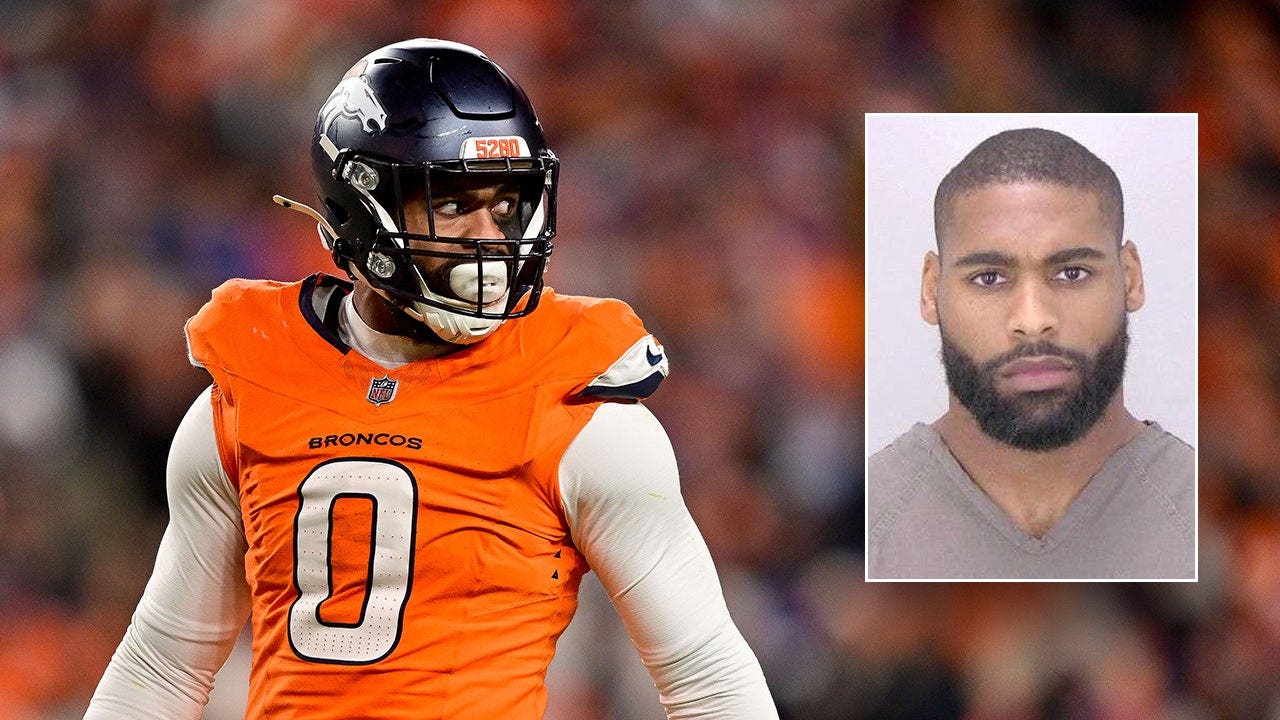
Denver Broncos defensive end Jonathon Cooper and his girlfriend were reported to have been detained after a heated argument that led to mutual domestic violence charges, prompting police involvement and immediate legal and team scrutiny.
According to law enforcement accounts, officers responded to a disturbance and both adults were taken into custody on domestic violence allegations. The incident reportedly followed an argument centered on accusations of infidelity, and investigators booked both parties on related charges. Official records will guide the next steps, but the initial report made a stark and sudden news cycle for a current NFL player.
The situation puts a spotlight on the intersection of private relationships and public careers, especially for athletes whose actions off the field carry professional consequences. For teammates and fans, any arrest creates questions about locker-room dynamics and season preparation. Organizations often find themselves balancing support for their player, respect for legal process, and the optics of a high-profile case unfolding in public.
From a legal standpoint, arrests and charges are only the opening chapter, not the final verdict. Prosecutors decide whether to file formal charges, and courts determine if evidence supports convictions or dismissals. Both parties involved typically have the right to legal representation and to present their versions of events, and those procedures will shape how this matter resolves.
The NFL enforces conduct policies that can trigger independent reviews beyond the criminal justice system. Even without a conviction, the league can impose discipline if it concludes a player’s conduct violated policy or harmed the league’s interests. That double track of team, league, and legal scrutiny means outcomes can be multifaceted and extend well beyond the initial arrest report.
For the Broncos, immediate reactions often include statements that emphasize following the legal process and gathering facts before making personnel decisions. Teams must weigh public relations, locker-room cohesion, and the player’s contractual and performance value when determining next steps. Fans and local media also tend to push for swift answers, increasing pressure on both the franchise and the league to be transparent about their actions.
Player advocates and civil liberties groups frequently remind the public about the importance of due process in cases like this. Arrest does not equal guilt, and premature judgments can affect reputations and livelihoods regardless of legal outcomes. At the same time, victims’ rights advocates stress that domestic violence allegations should be taken seriously and investigated thoroughly.
Social media reaction typically amplifies every development, with fans, pundits, and commentators weighing in within minutes of police reports. That noise can complicate the narrative, as unverified claims spread and speculation sometimes overtakes verified facts. Public figures in these moments must navigate statements carefully to avoid legal missteps or inflaming public opinion without full information.
For Jonathon Cooper, the practical implications could range from short-term team discipline to longer-term impacts on his career, depending on how the legal process unfolds. Contract status, past conduct, and the specifics of any charges will influence whether a player faces fines, suspension, or release. Teams also consider whether a player’s absence would materially affect on-field performance and season goals.
Community response often includes calls for accountability alongside reminders about privacy and the complexity of relationships. Local charities and domestic violence organizations sometimes use these moments to highlight resources and support services for anyone affected by similar incidents. Those conversations can shift attention from sensational headlines to practical support and prevention measures.
Law enforcement notes and court documents will become critical for anyone trying to assess the case beyond initial headlines. The dates, witness statements, and any physical evidence will be part of the record that prosecutors and defense attorneys scrutinize. Until that documentation is released and reviewed, much of the commentary remains provisional.
Ultimately, this episode underscores how quickly private disputes can become public crises for professional athletes, and how multiple institutions — legal, league, and team — intersect when those crises occur. The coming days will likely bring formal charges or filings, statements from representatives, and a clearer picture of the path forward for everyone involved.
