
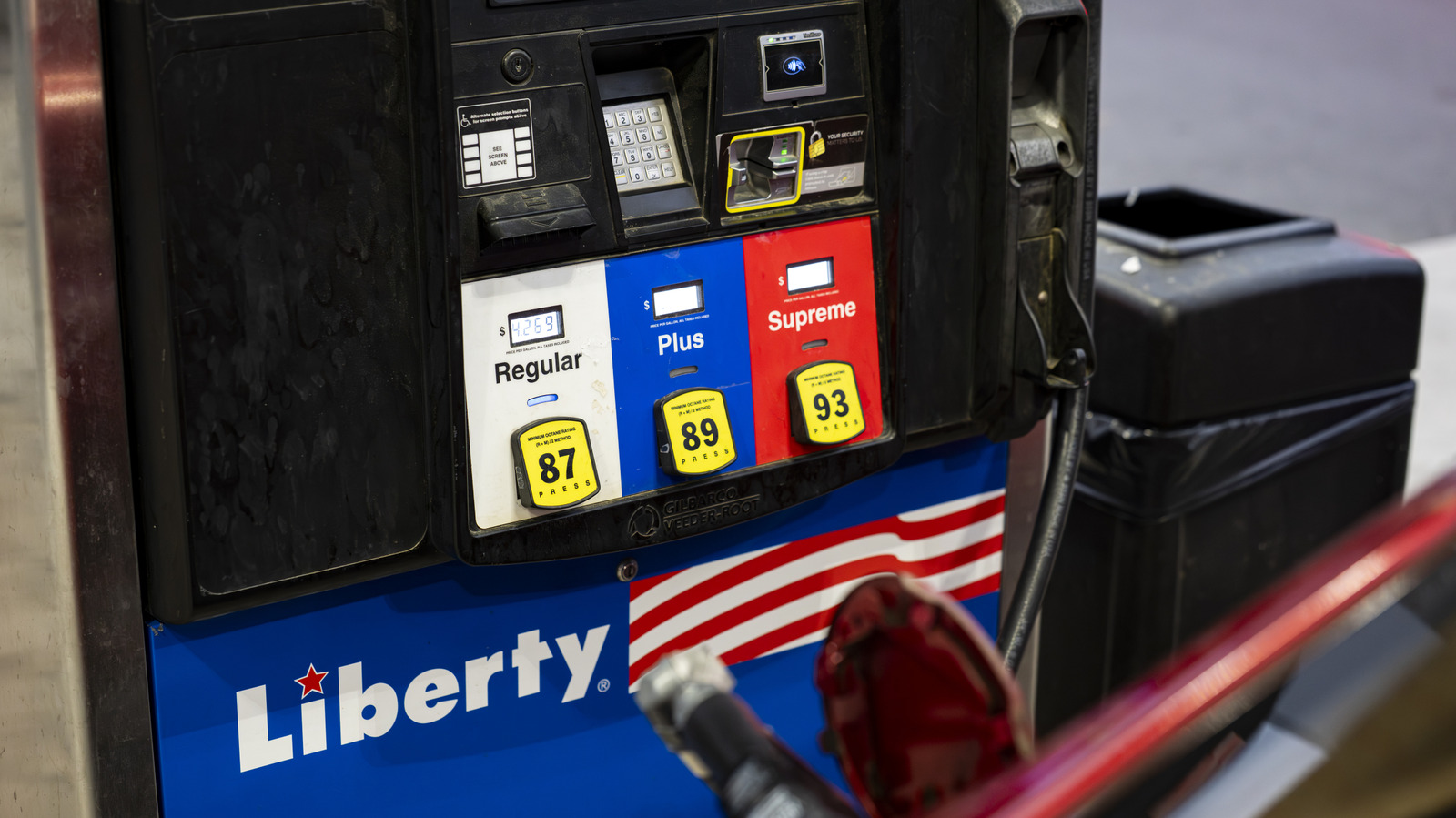
A clever new scheme is turning routine stops at the pump into opportunities for thieves to take your fuel and cost you money. This article breaks down how the scam works, what warning signs to watch for, practical steps to reduce your risk, and what to do if you suspect you are being targeted.
Reports from drivers across regions describe a range of tactics that criminals use to steal gas, from tampered equipment to fast-moving distraction plays. The people behind these incidents are counting on confusion, inattentive drivers, and isolated stations to succeed. Knowing the common moves gives you an edge the next time you pull into a lot.
One frequent tactic is physical tampering at the pump, where hoses or nozzles are altered so fuel siphons into a hidden container or a vehicle left nearby. Scammers also use fake attachments that look like part of the pump but funnel gas elsewhere. If something about the hose or nozzle looks out of place or wobbly, walk away and alert station staff before fueling.
Another method relies on distraction: someone creates a disturbance or asks for help while an accomplice steals gas from an unattended vehicle. These distractions can be quick and intentional, aimed at pulling your attention away from the pump. Stay alert, keep your vehicle locked, and never leave it running or unattended while you are outside of it.
Card skimming and QR code tricks are also being used to take money or access accounts rather than physical fuel. A compromised card reader can steal payment data and a fake QR code can redirect you to a malicious site or app. Prefer paying inside when you can, use contactless payment options where available, and check for any signs that the reader or screen has been altered.
Simple visual checks before you start can save you trouble later. Look for loose or taped-on components, unusual wires, or anything that appears newly affixed to the pump. If you see signs of tampering, notify the attendant, move to another pump, or leave and report the problem to the station owner and local police.
Keep situational awareness as you fuel, especially at night or in isolated locations that make theft easier. Choose well-lit stations with visible attendants and multiple customers around when possible. If you find yourself at a quiet lot, consider driving to a busier station instead of taking a risk.
When using a gas station app or mobile payment, stick to official apps downloaded from reputable app stores and check app permissions. Fraudsters can clone or spoof popular apps to trick users into entering payment details. Review your bank statements regularly and enable fraud alerts so you can spot unauthorized charges quickly.
If you believe you are being targeted, remove yourself from the situation calmly and call for help. Get to a safe, populated area, note any vehicle descriptions or license plates, and contact the station manager and law enforcement. Providing a clear description and any footage from nearby cameras can make a big difference for authorities.
For vehicle owners who worry about repeated incidents, small physical precautions help a lot. Consider a simple locking gas cap or parking so that the pump is on the curb side of your vehicle whenever possible. Those steps can deter quick attempts to siphon fuel and give you more control over the fueling process.
Gas theft schemes evolve because they work on convenience and complacency, not technology alone. The most effective defense is a mix of awareness, practical habits, and quick reporting when something seems off. Staying alert and taking small precautions will reduce your chances of becoming a target and keep your tank where it belongs.
