
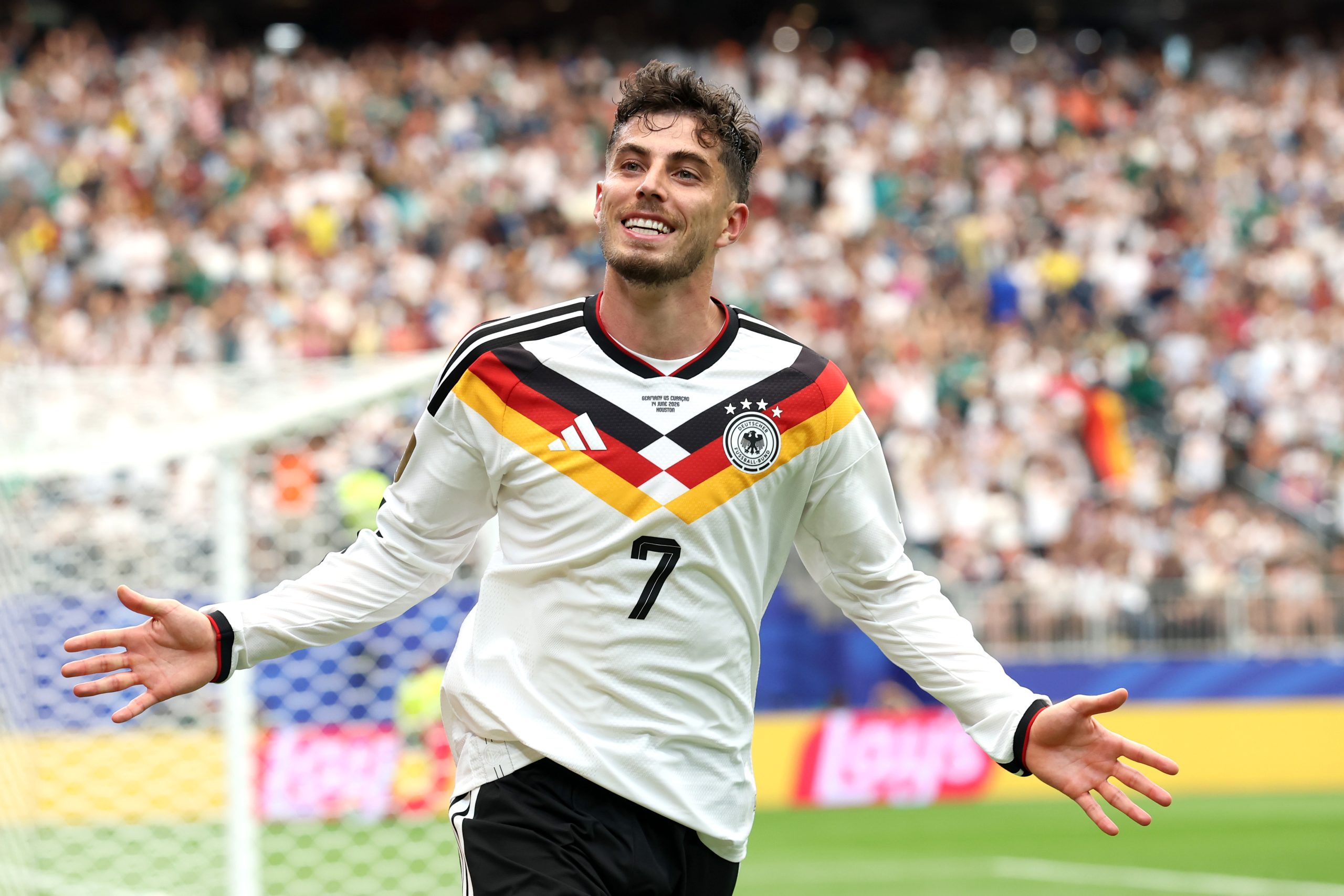
Germany’s 2026 World Cup ended earlier than anyone in that camp wanted, but the bigger story now is where the key names go from here. The squad still has talent in every line, and the next chapter is all about club form, redemption, and whether the stars can turn a rough international summer into a strong run at home.
Kai Havertz remains one of the most important pieces in the group. He scored three times for Germany, including a pair in the opening win over Curaçao, and he also handled the pressure of the knockout shootout, even if the result went against him.
At club level, Havertz had a massive year with Arsenal, helping drive a Premier League title run and even finding the net in the Champions League final loss to Paris Saint-Germain. He’s headed back to the Gunners with the kind of expectation that comes with being a top attacker, and Arsenal will need him sharp if they want to stay at the front of the pack.
Florian Wirtz is in a different spot, because the questions around him are less about effort and more about fit. His first season at Liverpool did not explode the way many expected, with only five league goals and plenty of debate over where he actually belongs on the pitch.
For Germany, Wirtz still created chances and finished with three assists, but he could not get on the scoresheet himself. Now he returns to Liverpool under new manager Andoni Iraola, and that fresh setup gives him a clean chance to settle in, find rhythm, and start looking like the player many thought they were getting.
Deniz Undav may not have started every match, but he might have been Germany’s most useful attacker in the tournament. Coming off the bench didn’t stop him from producing three goals and two assists, and his brace against the Ivory Coast was the kind of burst that changes a game fast.
Undav’s path has been a little more winding than some of his teammates, but that has not dulled his impact. Back at Stuttgart, he’s been one of the steadier scorers in the Bundesliga, and at 30 he looks like a player who knows exactly how to make his minutes count.
Manuel Neuer, meanwhile, is still doing things that seem impossible for a goalkeeper his age. He became the oldest German to appear at a major tournament, breaking a record that had stood in the name of Lothar Matthäus, and he did it while carrying the sort of calm that only comes from a lifetime at the top.
Neuer was also the lone player on this roster who had been part of Germany’s 2014 World Cup-winning side, which says a lot about how long he has been the face of the national team. He retired from international duty after this summer, and for Bayern Munich he still brings a ridiculous trophy haul, including 13 Bundesliga titles and two Champions League crowns, along with the kind of leadership younger players rarely get to inherit.
That mix of veterans and prime-age attackers is what makes Germany such a fascinating team to watch after a disappointment like this. Havertz has club silverware to chase, Wirtz has to answer questions in a new system, Undav keeps building his case the hard way, and Neuer leaves behind a standard that will be tough for anyone to match.
