
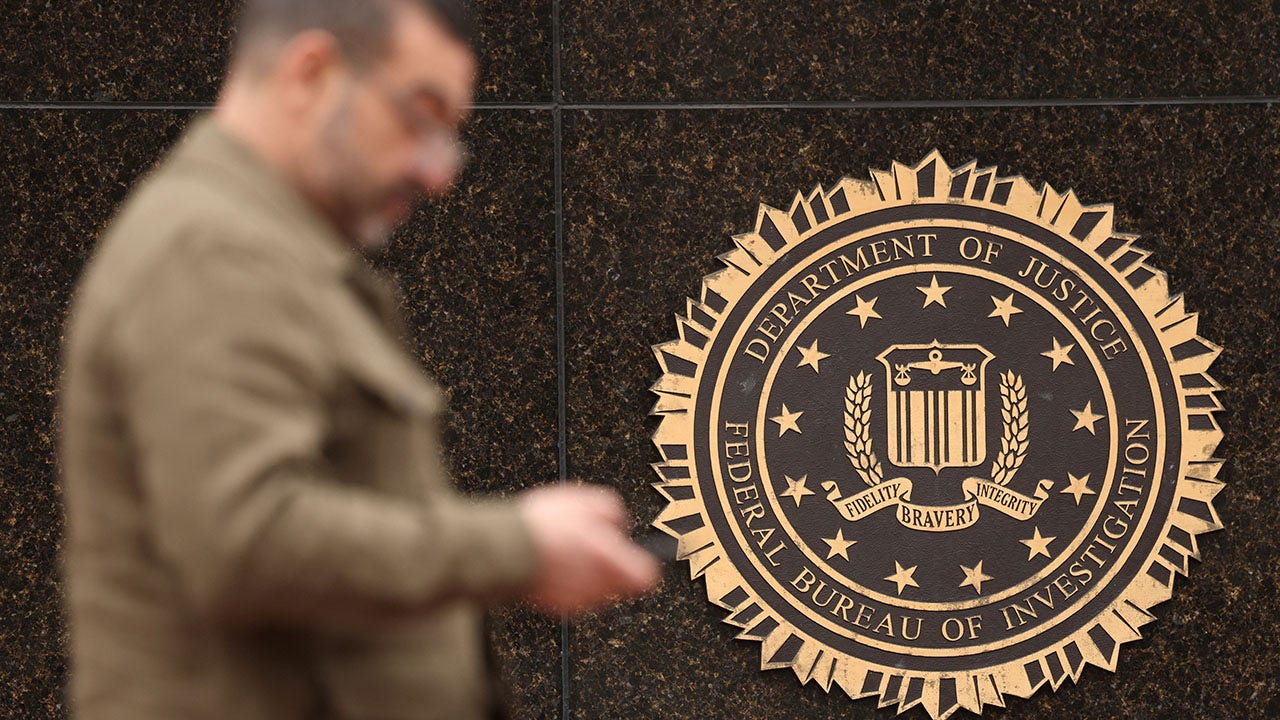
The FBI is digging into a breach tied to its jobs portal, and the big mystery is still where it started. A hacking crew says it grabbed employee data, while investigators are sorting through what was really exposed and whether the damage stops at personal information or reaches deeper into bureau systems.
The bureau says it is aware of a criminal group claiming responsibility for a compromise involving FBIJobs.gov and alleged exposure of employee personally identifiable information. Officials also said the point of entry is still not settled, since the problem could have come through a third-party provider or somewhere inside the FBI’s own enterprise.
That uncertainty matters because a portal breach is not the same thing as a breach of classified systems. A personnel data leak can still be serious, but it does not automatically mean attackers found their way into investigative files, operational tools, or other sensitive internal networks.
Jason Pack, a retired FBI supervisory special agent and CEO of Media Rep Global Strategies, said that difference is the heart of the story. He noted that there is a major gap between stolen employee records and access to the bureau’s real crown jewels.
“There is a meaningful difference between somebody obtaining personnel information and somebody gaining access to classified investigative systems,” he told Fox News Digital. “Based on what we know right now, there is no indication they have the keys to the kingdom.”
The hacking group ShinyHunters has claimed the breach and says it stole information tied to nearly all FBI agents and job applicants. Reuters reported that sample data shared with the outlet included names, home addresses, Social Security numbers, assignments and, in some cases, family members’ names.
That kind of mix can be dangerous even when it does not touch classified networks. If a criminal has enough personal details, plus where someone works and what role they hold, it becomes much easier to build a convincing scam or impersonation attempt.
“If an adversary knows who somebody is, where they work and what they do, they can build a much more believable scam around that person,” Pack said. That is where a routine-looking personnel issue can start to turn ugly fast.
Pack also pointed to the counterintelligence angle, saying assignment data can give a hostile service useful clues. If someone can connect an employee to a specific job or location, that information can help identify who to watch, approach, or potentially target for recruitment.
“There is also a counterintelligence concern. If a foreign intelligence service can associate particular people with certain assignments, it can help them identify individuals they may want to learn more about, approach or potentially assess for recruitment,” he added. “That does not mean that is happening here. It simply explains why assignment information can have value to an adversary.”
The FBI says it is working with third-party providers that support FBIJobs.gov while investigators continue to trace the source of the breach and reduce any risk. That leaves the bureau with a few big questions still hanging in the air, including what exactly was taken and how long the fallout could linger.
“The danger from stolen personal information does not necessarily end when the computer vulnerability is fixed,” he said. “Criminals may hold onto that information and use it weeks or months later.”
That is what makes these incidents so stubborn. Even after the technical hole is patched, the data itself can keep living on in the wrong hands, waiting to be used for fraud, deception, or something worse.
