
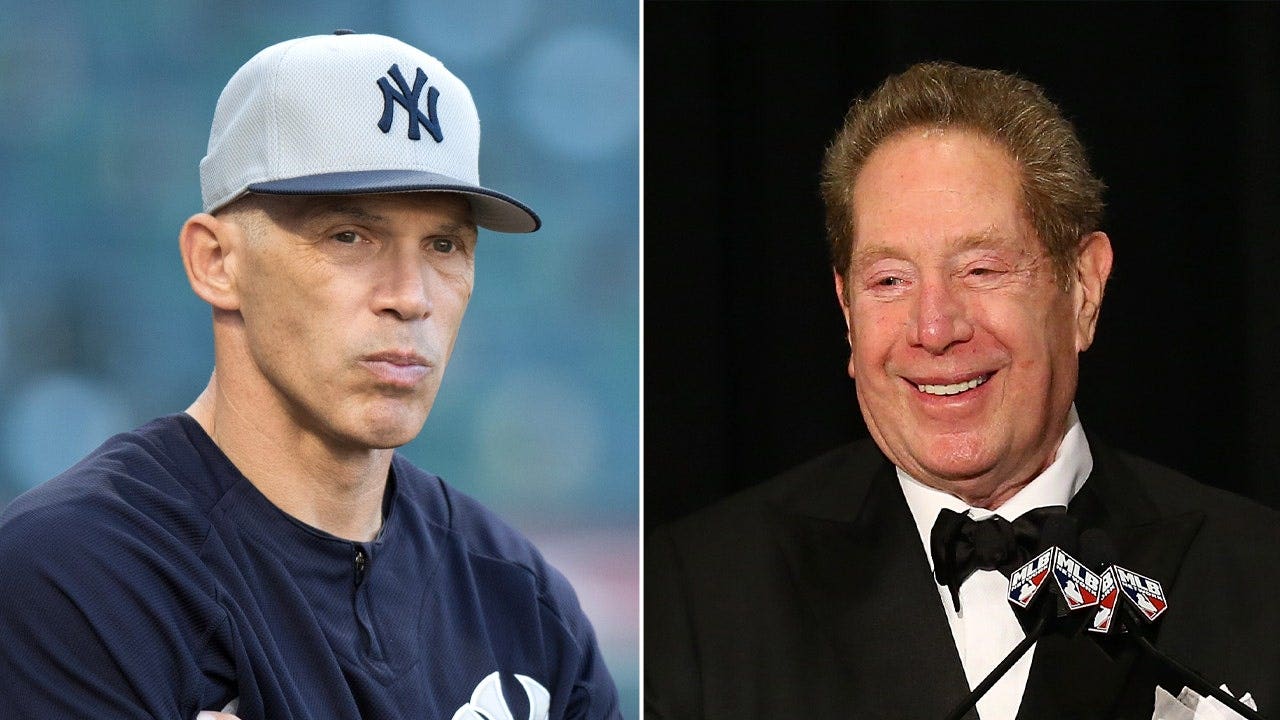
Joe Girardi reflected on John Sterling with warmth and respect, highlighting Sterling’s infectious enthusiasm and the mark he left on Yankees baseball. Girardi stressed how Sterling’s life and work showed a clear model of joy, professionalism, and connection. This piece captures those memories, the man behind the microphone, and why a broadcaster can feel like family to a team and its fans.
Girardi remembered Sterling not as a distant voice but as someone who showed up every day with real passion. He talked about how Sterling’s energy made the radio booth a place where every game felt alive, regardless of the scoreboard. Girardi framed that passion as more than showmanship; it was a way of living with purpose and presence.
Sterling’s voice became woven into the fabric of Yankees lore across decades, a companion to summers, pennant races, and quiet afternoons. Broadcasters rarely reach that level of familiarity; fans don’t just hear them, they grow up with them. Girardi pointed to that steady presence as part of Sterling’s legacy—an anchor in a sport built on routines and rituals.
The anecdotes Girardi shared painted Sterling as someone who loved the game down to the small details. He celebrated big plays with the same sincerity he brought to ordinary moments, and that sincerity landed with players and listeners alike. For teammates and former players, Sterling’s calls weren’t background noise; they were a shared soundtrack that reinforced team identity.
Beyond the booth, Sterling’s professionalism set a standard. Girardi mentioned how Sterling respected the craft—preparing, listening, and never taking the audience for granted. That work ethic mattered as much as the voice itself because it kept Sterling relevant and credible through baseball’s changing eras. His approach showed that consistency and humility can make someone timeless.
Fans reacted to Girardi’s remarks with gratitude and memories spilling out across social feeds and local talk. Stories came back about road trips where Sterling’s call felt like a friend checking in, or how his laugh cut through tense innings and reminded people to enjoy the moment. Those recollections underline why broadcasters can become cultural touchstones for a franchise and its city.
For the team, Sterling offered more than commentary; he offered a connection to history. Girardi emphasized that listening to Sterling was a way to feel linked to generations of Yankees, to remember past triumphs and resilient comebacks. That sense of continuity, Girardi suggested, matters in baseball because the game’s heartbeat is built on memory and identity.
What lingers from Girardi’s tribute is less about specific phrases and more about an ethic: show up, do your job with joy, and treat people like they matter. Sterling’s career is a reminder that the most lasting legacies are lived, not announced. Girardi’s words made it clear that Sterling was more than an announcer—he was an example of how to be present in whatever role you play.
The image that sticks is simple and vivid: a microphone, a confident laugh, and a voice that carried through seasons of change. Girardi left it there, with an invitation for listeners to keep tuning in and for younger broadcasters to notice what real passion looks like. In the end, that kind of presence refuses to fade; it keeps echoing in stadiums and radios for years to come.
