
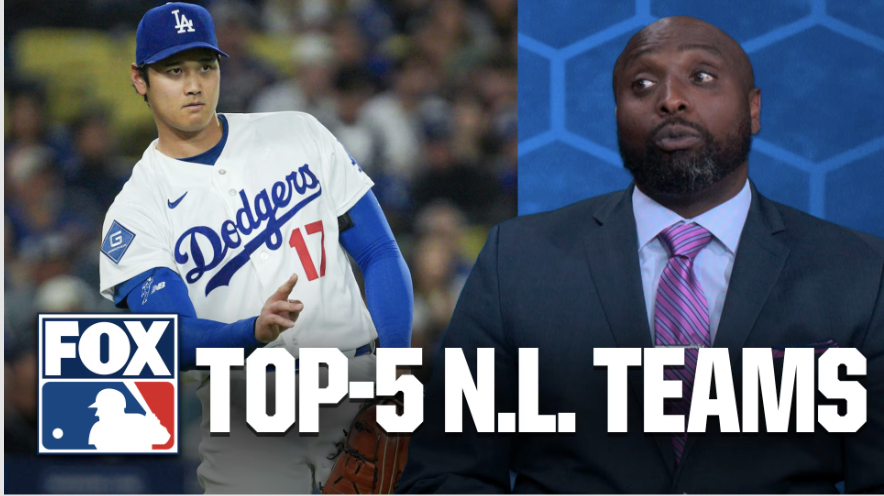
Dontrelle Willis ranks the top five teams in the National League and breaks down what separates contenders from pretenders. This piece walks through the thinking behind those rankings, the strengths and weaknesses that matter most in today’s NL, and why a few clubs are getting more respect than others. Expect a sharp take on pitching depth, lineup balance, and the playoff math that actually counts.
Willis’ list spotlights how starting pitching still rules the National League. A rotation that can eat innings and deliver quality starts every fifth day buys margin in a league where bullpens get overworked and travel grinds you down. When rotations misfire, managers are forced into shotgun bullpen plans that often blow games late, and Willis underlines that as a team-killer.
Offense remains a heavy factor, but not all scoring is equal. Power that comes with on-base skills is worth more than sporadic home runs because it sustains pressure across innings. Willis points out that teams mixing contact, patient plate discipline, and timely slugging tend to convert late leads into wins more consistently than squads that rely on miracle rallies.
Defense and shifting strategies also show up in his reasoning. Positioning that reduces opponent run expectancy and prevents extra-base hits saves those thin-margin games where a single run swings momentum. Willis highlights that teams elite at limiting big innings often finish the season above their expected record, which is the backbone of a Top Five club.
Depth is the hidden currency of a long season, and Willis gives extra credit to rosters built beyond the opening day lineup. Injuries and slumps will happen, so having ready replacements who can plug holes without a performance cliff sets contenders apart. He stresses the value of internal options plus smart deadline acquisitions that keep a team adaptable as the calendar tightens toward October.
Managerial decisions factor heavily into Willis’ assessment. A skipper who can navigate pitcher usage, lineup matchups, and late-game tactics increases a team’s ceiling. Willis argues that tactical flexibility, not just talent on paper, separates a team that cruises to a division title from one that fizzles in a tight wild-card race.
Willis doesn’t ignore the intangible side either—clubhouse chemistry, veteran leadership, and clutch poise matter when games mean everything. Those elements can turn good rosters into great ones when the pressure is high and mistakes are costly. He notes that teams with veteran backbones often perform above expectations in playoff atmospheres.
There are also obvious risk factors on his list: shaky bullpens, aging core players, and inconsistent offense that relies on unsustainable metrics. Willis calls out teams that look strong early but lack underlying indicators that support long-term success. He warns that hot streaks by a few hitters or a short-term rotation surge can mask deeper problems that surface by late summer.
For fans watching the National League, Willis’ take offers a blend of analytics and baseball feel. He balances measurable strengths with awareness of human elements that analytics alone can miss. The ranking is less a definitive prophecy and more a framework to judge teams as the season unfolds and storylines shift week to week.
