
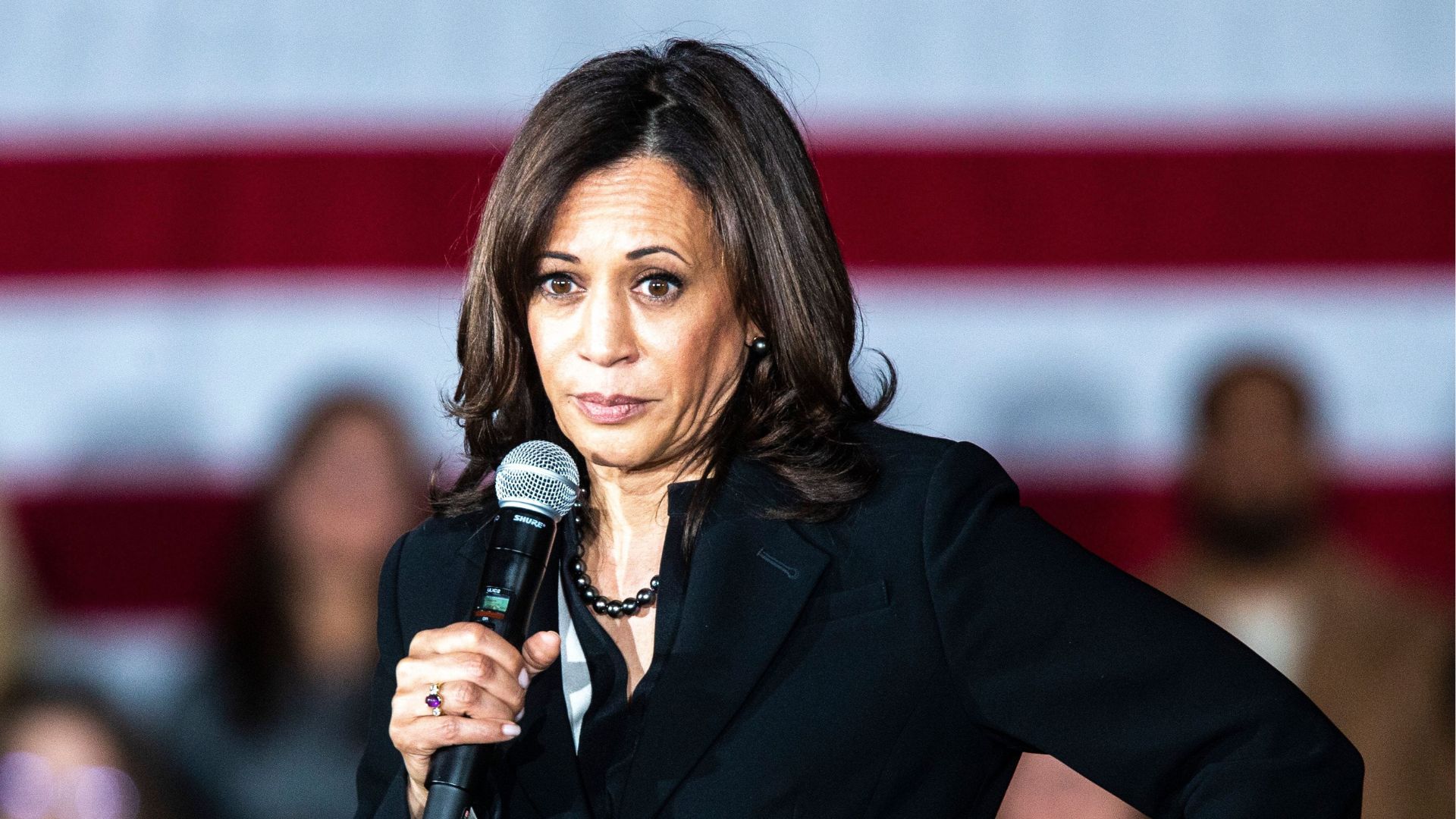
Vice President J.D. Vance recently shared some interesting insights about a break from tradition involving former Vice President Kamala Harris. As reported by Newsmax, Harris declined the Vance family’s request to tour the vice presidential residence at the Naval Observatory in Washington, D.C. prior to their move-in. This request was made shortly after Vance and President Donald Trump won the election.
Vance and his wife, Usha, hoped to give their three children an early look at their new home. However, their request was denied, leaving the Vance family to find alternative ways to prepare for the transition. Speaking to Independent TV, Vance expressed his disappointment over the missed opportunity for his children.
The Vance family resorted to using old diagrams and photographs to familiarize their kids with the residence. A friend from Cincinnati helped by providing a book about the vice president’s home, which played a crucial role in helping the children picture their future living space. Vance mentioned that this was as close as they got to seeing the property before their official move-in.
The vice president’s residence is a historic mansion that has been home to vice presidents since 1974. Nestled on 30 acres of private land, Vance described it as a “very beautiful” place. He also shared that President Trump often jokes about it being a nicer residence than the White House.
The Vance family finally moved in after the inauguration, finding the residence to be a welcoming and homely environment. The mansion’s history and charm have made it a unique experience for the family. Vance expressed his appreciation for the property, saying it feels like a true family home.
During the inaugural parade for President Trump, Vance was seen with his family, including holding his daughter, Mirabel, at the end of the ceremonies. The official residence, beyond its beauty, provides a sense of comfort and tradition for the vice president’s family. It’s a place that offers both privacy and a piece of history.
While Harris’s refusal to allow the tour was unexpected, the Vance family managed to adapt. They made the best of the situation by turning to resources that helped their children visualize their new home. This experience, though unconventional, did not dampen their excitement about the move.
The tradition of allowing incoming vice presidents to tour the residence is not a written rule but a courtesy extended over the years. Whether Vance will continue this tradition for his successor remains unknown. However, his experience highlights the importance of such gestures in easing transitions.
Vance’s experience illustrates a broader theme of adapting to unexpected changes. It underscores the resilience of families navigating political transitions. Despite the initial setback, the Vance family embraced their new home with enthusiasm.
The story also reflects the warm interactions within the current administration. Vance’s mention of President Trump’s jokes adds a light-hearted tone to the narrative. It shows a camaraderie that extends beyond professional duties.
The vice presidential residence, with its rich history, continues to be a significant part of America’s political landscape. Its role in hosting vice presidents and their families adds to its storied past. This tradition contributes to the continuity of leadership and family life.
As the Vance family settles in, they are part of a legacy that dates back to the 19th century. The mansion’s architecture and location provide a unique backdrop to their tenure. It’s a setting that blends personal life with public service.
The Vances’ experience underscores the personal side of political roles. It highlights how families adapt to new environments while fulfilling public duties. The balance of tradition and modernity is a hallmark of their journey.
Living in such a historic residence is a privilege few families experience. The Vance family’s story adds a new chapter to the mansion’s history. It’s a narrative that combines past traditions with present realities.
The vice presidential residence is more than just a home; it’s a symbol of continuity. It embodies the transition of power and the personal stories of those who live there. The Vance family’s time there will be part of this ongoing history.
As Vice President Vance continues his duties, the residence provides a stable backdrop. It’s a place where political and personal lives intersect. The mansion stands as a testament to the enduring nature of American traditions.
The Vance family’s experience, while different from the norm, is a reminder of the adaptability required in political roles. It emphasizes the importance of family and tradition in navigating public life. Their story is one of resilience and continuity.
