
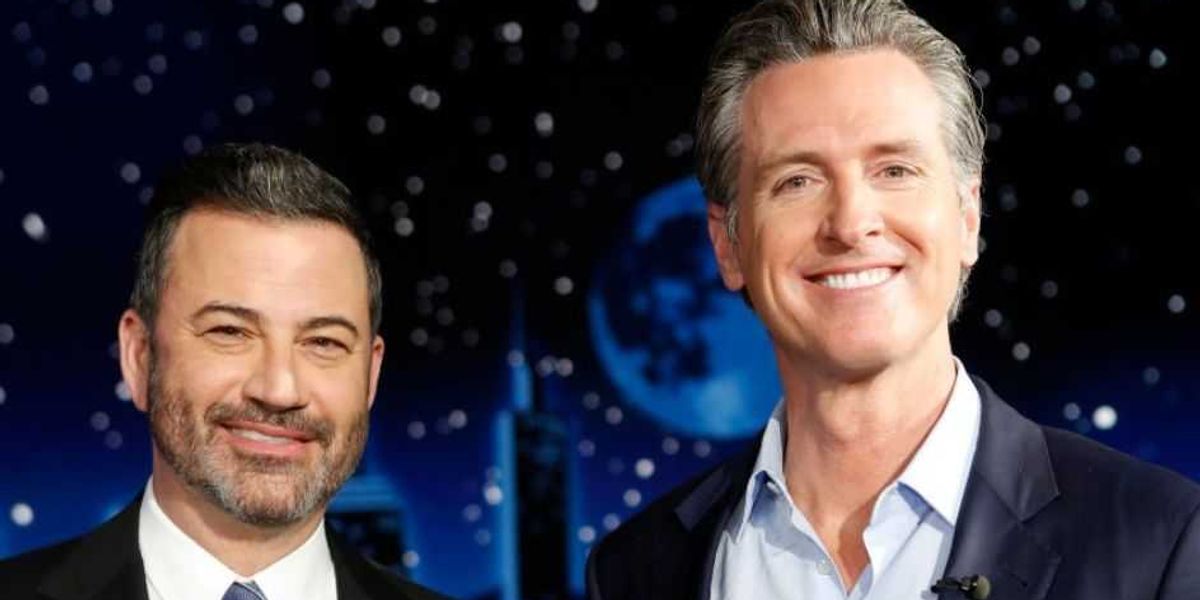
Late-night TV has a habit of turning politics into a cheering section, and the newest wave of commentary has zeroed in on Democrats with almost giddy enthusiasm. With midterms approaching, the tone has become hard to miss, mixing celebrity swagger, partisan applause, and a very selective sense of outrage.
The pattern says a lot about how the late-night lane has shifted. What used to pass as edgy comedy now often looks like political pep rally material, with hosts treating Democratic messaging like the house band and Republican skepticism like the punch line.
That energy has only gotten louder as election season heats up. Some of the biggest names in the space have leaned into performances that blur the line between satire and advocacy, all while presenting themselves as the keepers of cultural sophistication.
The result is a media bubble that keeps rewarding the same voices and the same ideas. When the applause comes from the same crowd every night, it is easy for the whole thing to feel less like comedy and more like a feedback loop.
Late-night television has long depended on politics for material, but the current version feels more openly one-sided. The jokes may change, yet the target usually does not, and that predictability can make even a flashy monologue feel flat.
At the same time, the industry’s obsession with elite approval has made the shows more self-aware and less funny. Instead of surprising viewers, the hosts often seem to be auditioning for praise from the same political and cultural circles that already agree with them.
That matters because these programs still reach a huge audience, even if the audience is not as broad as it once was. When entertainers repeatedly package activism as comedy, they help shape the tone of public debate whether they admit it or not.
There is also the simple fact that people can smell a script. Viewers who tune in for jokes usually do not want to sit through a nightly sermon, especially when the sermon arrives dressed up in irony and smug applause lines.
What makes the moment especially striking is the timing. With the midterms drawing near, the enthusiasm from late-night corners looks less like casual commentary and more like a coordinated mood boost for Democrats looking for any edge.
That kind of alignment is exactly why these shows keep drawing attention beyond the entertainment world. They are not just reflecting politics, they are helping sell a vibe, and right now that vibe is heavily tilted toward one side of the aisle.
It leaves plenty of room for viewers who are tired of the routine. The sharper the hosts lean into partisan comfort food, the easier it becomes to see the act for what it is, and the more obvious it gets that comedy has taken a back seat to political team-building.
