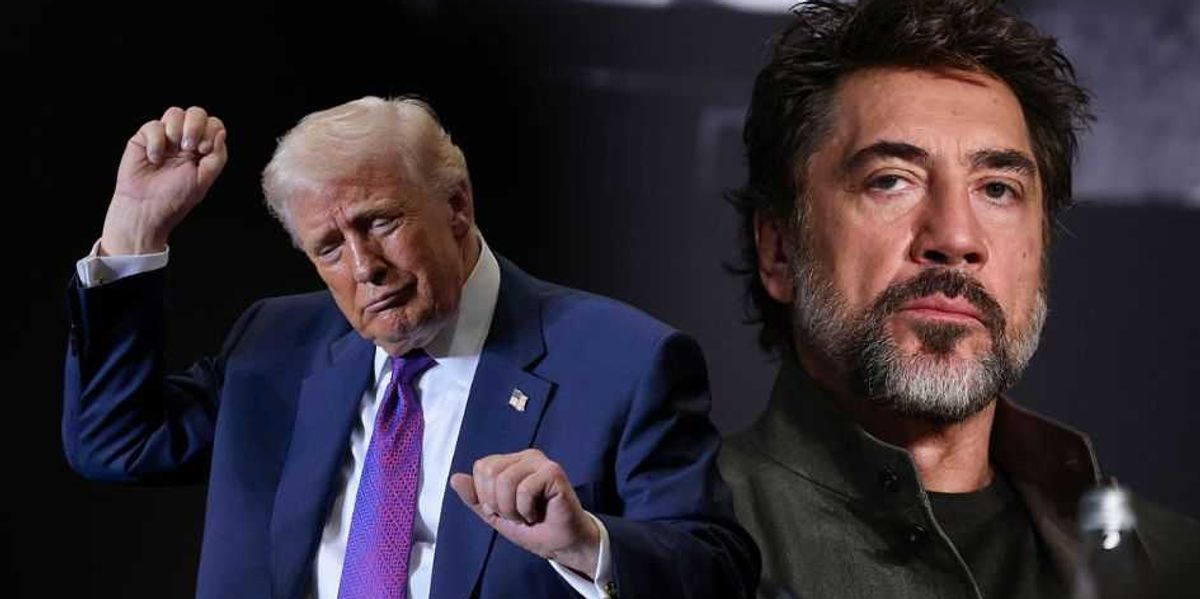
Javier Bardem used a Cannes press moment to rail against what he called “toxic masculinity,” tie male aggression to global crises, and label actions in Gaza as genocide; this stirred predictable heat as a Hollywood star mixes moralizing with geopolitics while thanking the press for giving him a platform.
Bardem showed up at Cannes with a new Spanish-language film and a microphone to match, and he did not hold back. He framed his performance as shaped by a “very machista” upbringing, and used that as a launchpad to condemn violent male behavior. The tone was personal but the targets quickly became public figures and entire nations.
He pulled no punches in his language, and the crude lines grabbed headlines. ‘I’m going to bomb the s**t out of you.’ was cited as an example of the macho posturing he says drives conflict. The shock value was deliberate, and the crowd-sized microphone amplified every provocation.
I’m 57 years old, coming from a very machista [machismo] country called Spain, where there is an average of two women killed monthly by their ex-husbands or ex-boyfriends, which is horrible. Just that amount of women being murdered, it’s unbelievable.
That blockquote is stark and worth hearing, because domestic violence is a real, terrible problem that deserves attention and policy solutions. But Bardem then took that moral point and stretched it into a sweeping critique of leaders and nations. He named Mr. Trump, Mr. Putin, and Mr. Netanyahu as part of the same pattern, arguing that macho posturing is at the root of large-scale violence.
He explicitly blamed male posturing for international crises in incendiary language: “The big-balls man saying my d**k, my c**k is bigger than yours, and I’m going to bomb the s**t out of you is a f**king male toxic behavior that is creating thousands of [dead] people. So yeah, we have to talk about it,” he urged. Those words make for strong copy, but they also flatten complex geopolitics into a caricature. Reducing statecraft, national security, and competing threats to a contest of egos dismisses strategic realities.
Bardem also moved from cultural critique to a categorical claim about Gaza, saying “Genocide is a fact.” He added that disagreeing with him is tantamount to being “pro-genocide” and insisted silence or support equals complicity. That is a heavy charge to level from a film festival stage, and a stark illustration of how Hollywood statements can push blunt moral frames into the public debate.
Republicans will push back on two fronts: first, the habit of turning every foreign policy crisis into a morality play, and second, the tendency to blame abstract cultural trends rather than hold specific actors and policies to account. We can acknowledge domestic violence and demand justice for victims while also rejecting sweeping explanations that erase nuance. Leadership, deterrence, and strategic interest matter in international affairs, and dismissing them as merely macho posturing is unserious.
There is also the media angle Bardem himself admitted to, saying the attention journalists gave him is the only real power he has. Thanking reporters for that influence is telling, because it exposes how celebrity pronouncements get amplified beyond their expertise. That exchange highlights a two-way street: stars seek relevance, and outlets provide it, sometimes in place of deeper reporting.
Bardem urged mobilization and called for people to speak up, which sounds civic-minded on the surface. But when calls to action are built on broad-brush claims and moral certainties, they risk creating echo chambers rather than constructive debate. Political arguments about life-and-death foreign policy deserve evidence, not just outrage.
The Cannes episode is a reminder that celebrity commentary will keep shaping conversations, for better or worse. If you care about real outcomes, demand clear arguments and accountability from public figures instead of clever slogans. Speak up about violence and human rights without turning every issue into a cultural caricature.