
Israel’s story over the past three years has been shaped by terror, grief, and a stubborn kind of courage that refuses to disappear. From the horror of Oct. 7 to a terrifying midair attack on Flight 1073, the same message keeps surfacing: violence can wound a nation, but it does not get to define its future. The pressure has been intense, the losses real, and the stakes have stayed sky-high.
On Oct. 7, 2023, Hamas launched a brutal assault that ripped through towns, homes, and a music festival, killing about 1,200 people and dragging 251 hostages into Gaza. It was not just an attack on civilians, but an effort to shake Israeli confidence and send fear across the Jewish world. The violence was meant to slam the door on any sense of normal life, security, or regional peace.
That same destructive logic showed up again with Flight 1073. Passengers on the Flydubai flight included Israelis returning home to mark the anniversary of Oct. 7, only to face a sudden emergency when the co-pilot allegedly stabbed the captain and tried to seize control of the aircraft. The plane plunged over Saudi Arabia before the crew and passengers acted fast enough to stop disaster from unfolding.
The contrast between the two moments is stark, but so is the common thread. Hamas and other extremists keep trying to weaponize fear, whether on the ground or in the air, because panic is part of the plan. Yet each time the goal is to crush hope, Israelis and their allies keep showing that ordinary people can become the last barrier between life and catastrophe.
There is also a bigger geopolitical game behind the terror. Captured documents reportedly showed Hamas watching closely as Israel moved toward normalization with Saudi Arabia, aware that stronger ties between Israel and Arab states would weaken its influence. The attack on Oct. 7 was meant in part to wreck that momentum, and while it caused real damage, it did not erase the wider push toward regional cooperation.
That matters because the modern Middle East is different from the old one in important ways. Israelis and Arabs are increasingly flying, trading, and dealing with one another in spaces that once seemed out of reach. A plane full of Israelis boarding in Dubai and heading home on a Jewish holiday would have sounded far-fetched years ago, but now it reflects a changing reality, even if extremists keep trying to smash it.
Israeli resilience has also shown up in the country’s response to the war itself. Hamas has been hit hard, Hezbollah’s military strength has been reduced, and Israel has reshaped its security posture in Gaza and along the northern border. The threats have not vanished, but the balance of power looks very different than it did in the dark days right after the attack.
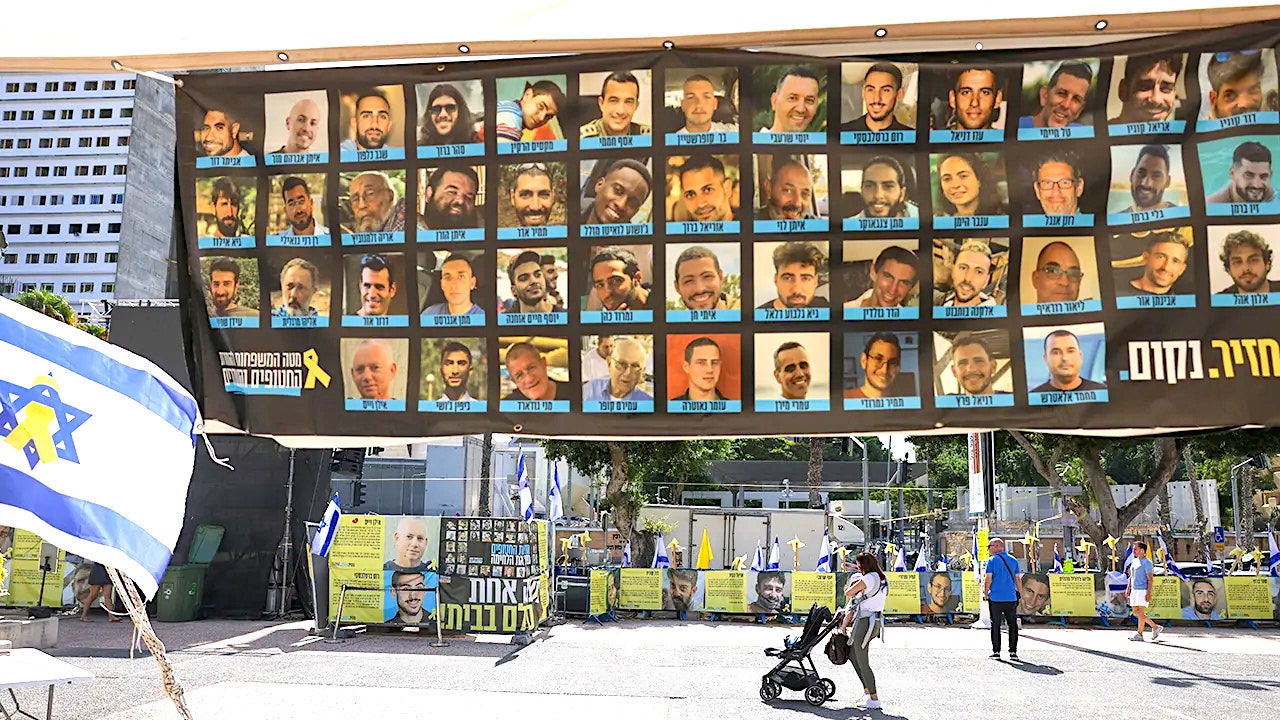
The hostage issue has remained central through all of this. Israel kept pressing for the return of every captive, bringing former hostages to the United Nations and refusing to let the world move on as if they were just bargaining chips. The final return of Master Sgt. Ran Gvili for burial marked a painful but important moment, the kind that carries deep meaning for families and for the country as a whole.
That effort to bring everyone home speaks to something larger than strategy. It reflects a national instinct that no one gets left behind, even when the cost is high and the headlines move on. In Israel, survival is not just about holding the line, but about holding each other together when everything else is falling apart.
The diplomatic side of that resilience has been just as visible. Six years after the Abraham Accords, Israel remains tied into a broader network of partners, including the United States, the United Arab Emirates, Bahrain, Morocco, and others still considering deeper cooperation. Even with criticism aimed at Israel over the war in Gaza, the country has kept building ties instead of folding into isolation.
That is the part terrorists never seem to understand. They can kill, hijack, stab, and terrorize, but they cannot force a people to abandon the instinct to rebuild. From the survivors of Oct. 7 to the passengers who fought back in the sky, the message keeps coming through loud and clear: Israel takes hits, bleeds, and mourns, but it keeps moving, keeps rebuilding, and keeps choosing life.
