
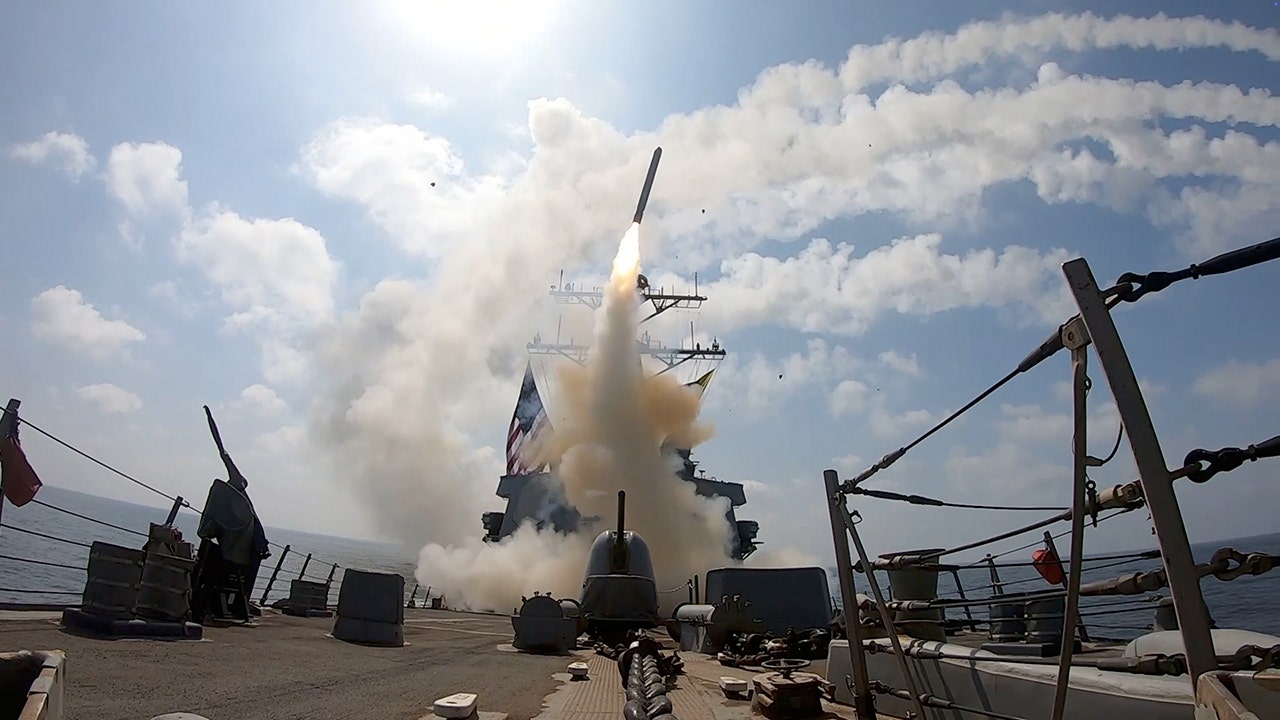
Republicans took a brutal hit after a war many voters decided was too costly, too open-ended and too disconnected from everyday concerns at home. The election became less about slogans and more about consequence, with military action in the Middle East landing hard at the ballot box and forcing a fresh look at strategy, spending and political judgment.
Twenty years after Iraq helped sink Republican momentum, Iran played the same wrecking ball role. Democrats gained control of both chambers, and the blame for the swing pointed straight at the war launched eight months earlier. The message from voters was loud enough to echo through both parties: winning battles does not automatically win trust.
That is the central tension hanging over Washington now. The military clearly dealt Iran serious damage, but raw force is not the same thing as a durable policy. If the public starts to believe the mission has no clear finish line, even a successful campaign starts to look like a mistake.
The numbers from the electorate made that point hard to ignore. A large share of voters said the conflict mattered to how they voted, and a clear majority viewed the attack on Iran as the wrong call. Another survey showed that easing pressure and bringing the fighting to an end polled better than launching fresh strikes to choke off Tehran’s nuclear ambitions.
That does not mean Americans suddenly became soft on Iran. It means they are tired of paying for a conflict that keeps expanding its bill while offering little certainty in return. Military action can break things fast, but it takes far more than that to build something stable afterward.
The financial burden is already huge, and it is only part of the story. War spending has climbed into the tens of billions, while damage to American bases and equipment is expected to add even more pain. Those are the kinds of costs voters notice when they start asking what exactly was gained.
Then there is the price of attention. Every ship and aircraft tied down in the Middle East is one less available for the Pacific, where China remains the bigger long-term threat. That tradeoff may sound abstract in Washington, but to military planners it is as real as fuel, steel and time.
This is where strategy matters more than bravado. A president can order strikes, celebrate damage inflicted and claim resolve, but none of that answers the harder question of what comes next. Without a plan for the day after, force just becomes a very expensive way to buy uncertainty.
That challenge now lands on the White House with full force. Some advisers want more negotiations, some want more pressure and others want to keep the military option front and center. The problem is that those paths point in very different directions, and they cannot all define victory at the same time.
Iran has been hurt badly, but the regime is still standing and still talking tough. Its nuclear ambitions have not vanished, shipping lanes remain vulnerable and the broader regional mess has not magically cleaned itself up. The war may have changed the battlefield, but it has not yet produced the lasting result Americans were promised.
That is why the coming political fight matters so much. Congress can press for answers, demand a full accounting and force the administration to explain what it thinks success looks like. If those questions are avoided, the public will fill in the blanks with its own conclusion, and that usually does not end well for the people in charge.
Trump still has room to reset the debate before the next phase turns uglier. He can keep pressing for a path that protects American interests without pretending the country has endless patience for an undefined war. What voters just delivered was not a green light for Tehran, but a warning to Washington that strong rhetoric is not a substitute for a real endgame.
