
✅ Freedom of speech as a nonnegotiable civic principle
✅ Religious liberty as a pillar of public life
✅ Racial equality as a safeguard for social trust
✅ The political backdrop surrounding the remarks
✅ Ongoing Supreme Court debates and Alito’s place on the bench
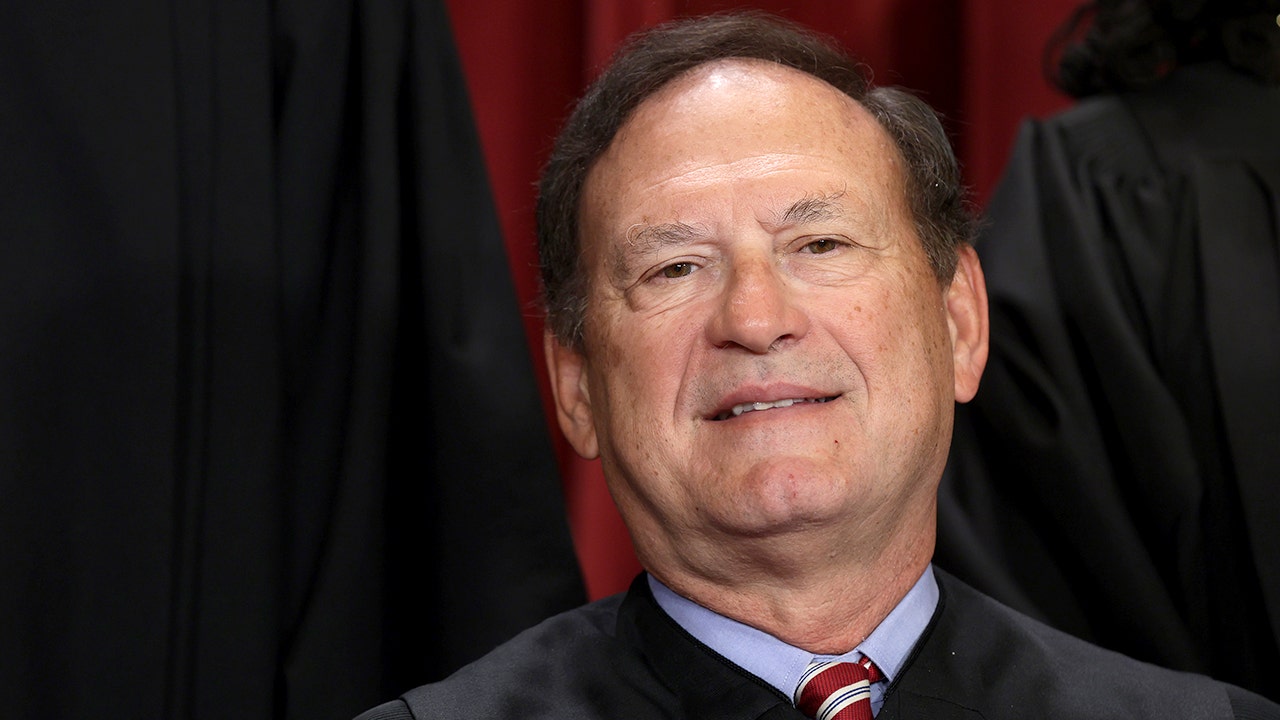
Justice Samuel Alito used a high-profile legal dinner to hammer home a simple point: the country can change fast, but some foundations have to stay put. He pointed to freedom of speech, religious liberty, and racial equality as the three principles Americans cannot afford to treat like optional extras. The message landed in a tense moment, with politics roaring, the courts under pressure, and public confidence feeling stretched thin.
Alito said the mood of the country should never decide whether basic liberties survive. “I’m not saying we’re entering the dark age, but these are things that we have to preserve no matter what the atmosphere is in the country or the world at the time,” he said during a fireside chat following the Antonin Scalia Memorial Dinner in Washington. It was the kind of line that cuts through the noise because it does not try to dress up the stakes.
Speech came first in his list, and he made the case without hesitation. According to Alito, “you cannot have Democratic self-fulfillment if you cannot have robust free speech.” That argument gets sharper when speech is under constant cultural pressure, because once people start deciding which voices are acceptable, the whole idea of open debate starts to wobble.
He also made clear that religious liberty still sits near the center of the American experiment. Alito said the country has moved onto “a sounder footing” than it had 20 or 25 years ago, but the work is far from finished. In a nation packed with different faiths, his view was blunt: people only live together peacefully when everyone is free to practice, or not practice, without being pushed around.
That point carries extra weight as the Supreme Court continues to weigh cases touching on religious freedom. The court’s docket keeps showing how often these disputes land in the real world, where parents, schools, churches, and local governments collide over what liberty actually means. Alito’s comments sounded less like theory and more like a warning not to get comfortable.
He then turned to racial equality, describing it as essential for a pluralistic society. Alito tied that idea to Martin Luther King Jr.’s call for people to be judged by character rather than skin color, a standard that still resonates because the opposite path never ends well. His warning was sharp: if that principle fades, the social fabric starts to tear.
The timing of the remarks only made them feel more charged. Democrats had just ridden a sweeping election win into control of Congress, and the political mood was already thick with demands for investigations and subpoenas. Add in the strain of the Iran war and the ripple effects on oil and prices, and Alito’s emphasis on civic stability started to sound even more urgent.
Those broader pressures also explain why his speech drew so much attention beyond the legal crowd. The Supreme Court has spent years at the center of fights over race, religion, and the limits of government power, so any public comments from a longtime justice tend to hit harder than a routine dinner toast. Alito’s role on the bench since 2006 has made him one of the most familiar conservative voices in the institution, and he knows how much every word can matter.
He also pointed to the court’s 2023 ruling in Students for Fair Admissions v. Harvard as one of the most consequential decisions in recent memory, a sign of how seriously he views the court’s role in shaping the national direction. At the same time, questions about his future keep hanging around, even after he said the election results did not change his plans to stay on the Supreme Court. The speculation may keep swirling, but his remarks made one thing clear: the battles over speech, faith, and equality are not fading quietly into the background.
