
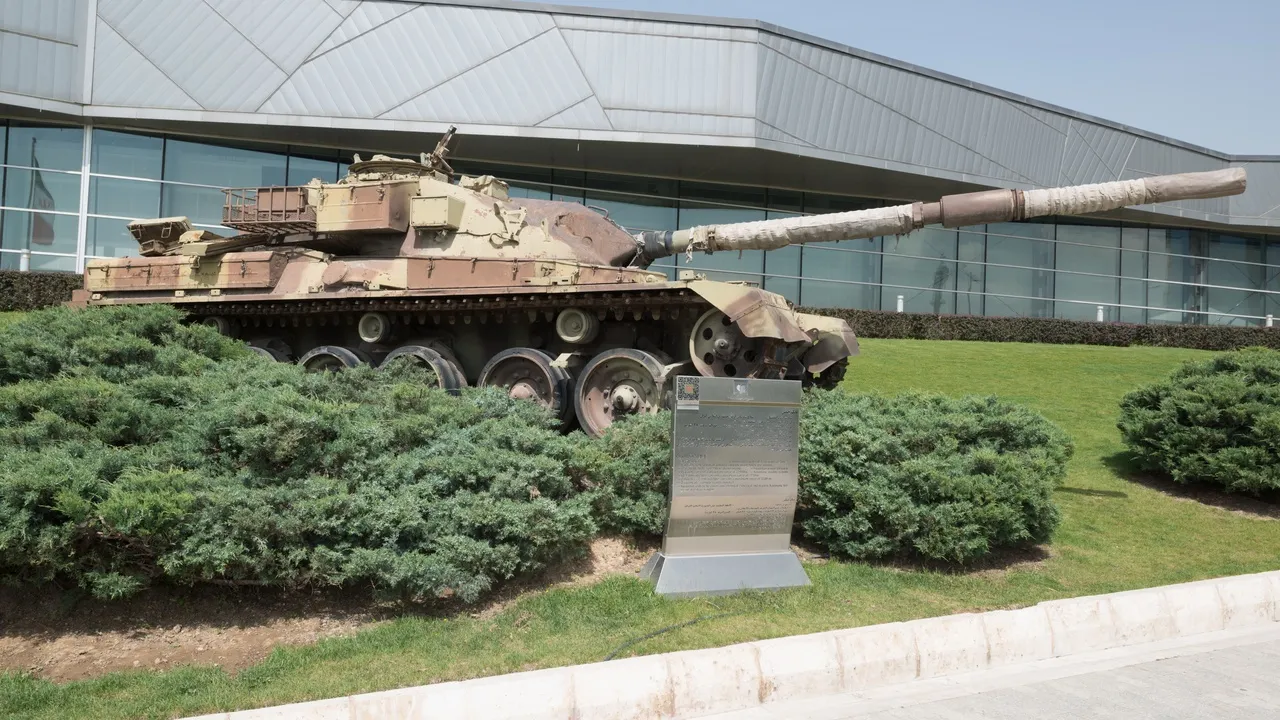
Reports of Iranian armored units shifting position have stirred up a familiar kind of concern, the kind that military professionals pay attention to fast. In a tense stretch of diplomacy, movement like this can matter more than the slogans coming out of Tehran or Washington. Tanks do not gossip, but they do signal, and that signal deserves a close look.
For nearly fifty years, armored and mechanized warfare has been the lens through which strategic behavior can be read. From South Korea to Cold War Germany to Iraq, the lesson held steady: armies reveal themselves through what they move, where they move it, and what they prepare around it. Public statements can bluff, but logistics, fuel, and force posture are a lot harder to fake.
That is why reports tied to Iran’s 92nd Armored Division caught so much attention. If armor was in fact repositioned toward the south near Abadan, the move would not automatically mean war, but it would suggest planners are thinking about more than peacetime optics. Conventional forces are expensive to shift, and that kind of expense usually comes with a purpose.
Military people tend to ask a different first question than politicians do. Instead of asking what was said at a podium, they ask what a commander is getting ready for on the ground. That difference sounds small, but in crisis it is huge, because armies often prepare for futures leaders only admit later.
The Artesh matters here because it is not the IRGC. The Revolutionary Guard grabs most of the headlines for missiles, drones, and proxy warfare, while the regular army exists for a different job entirely, territorial defense. When regular armored units move, the message often points less toward foreign adventurism and more toward preparing for something that could hit Iranian soil.
That does not mean a land war is around the corner. It does mean Tehran may be bracing for a harsher phase of tension, one that could go beyond exchanges of airstrikes, drones, and naval pressure. In that sense, the tanks are less a threat by themselves than a clue about what Iranian planners fear could come next.
History gives plenty of reasons not to shrug this off. During the Cold War, NATO officers watched Soviet armored movements with obsessive care, because tanks alone rarely told the full story. Engineers, artillery, bridging assets, reserve movements, and supply lines usually revealed far more than the headline numbers of armored vehicles.
The same kind of caution applies today. During the Iran-Iraq War, Saddam Hussein mistook internal turmoil inside Iran for weakness and expected a quick win. Instead, Iran adapted, mobilized, and turned his gamble into an eight-year disaster, a reminder that surface weakness and real strategic collapse are not the same thing.
That is also why talk that tanks are obsolete misses the point. Ukraine showed what happens when armor is used badly, without enough infantry, drones, electronic warfare, or air defense to support it. It did not prove tanks are useless, only that armor without a proper combined-arms setup becomes an easy target.
Iran’s armor fits that reality too. Its tanks are not built to duel a modern American force head-on, but they can still reinforce corridors, complicate maneuvers, and protect key terrain. In rough ground, behind mines and air defenses, even older armor can slow an enemy down and make any escalation far more costly.
All of this is happening while diplomacy is still alive. That can feel odd from the outside, but it is how states often behave when the stakes are high. Negotiations continue in one lane while militaries quietly prepare in another, because no serious government wants to be caught flat-footed if talks break down.
That is the real lesson buried inside these tank reports. Military pressure can create diplomatic leverage, but it can also create a dangerous edge if leaders start confusing movement with certainty. The smart read is not that war is inevitable, but that Tehran’s planners may be trying to stay ready for a future they hope never arrives.
For strategists, that kind of movement is never just about steel and treads. It is about intent, fear, and the possibility that an adversary is reshaping its expectations before anyone else does. When armies start shifting in silence, the silence itself is usually the loudest part.
