
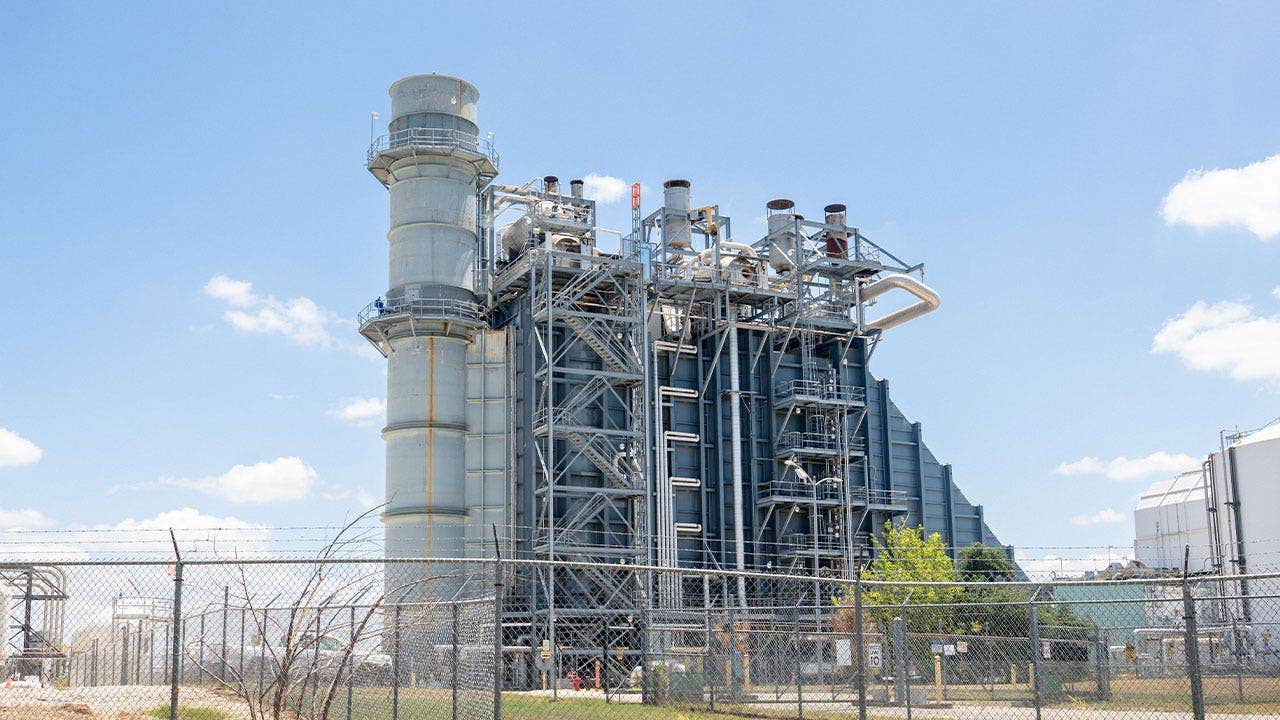
The grid is entering a rough new chapter, and the old assumption that electricity could coast forever has run headfirst into reality. Demand is rising again, the gear behind the system is aging, and the workforce that knows how to build and maintain it has thinned out at exactly the wrong time.
For years, flat electricity use made the power business look sleepy. From 2010 to 2020, efficiency gains from LEDs, better motors, and tighter standards erased much of the extra load from new homes, factories, and data centers, so planners got comfortable with a world that seemed to have stopped changing. That calm was fake.
When an industry stops growing, it starts making decisions that feel sensible in the moment but cause trouble later. Companies cut back on training, stop keeping extra technical know-how on the books, and send fewer young workers toward a field that looks safe but uninspiring. The result is a pipeline that quietly dries up while everyone is busy calling it stable.
Then the table flipped. Since 2020, electricity demand has climbed sharply, and the rush for large power transformers has exploded because nearly every part of the grid depends on them. Data centers, reshoring, electrification, and grid hardening all showed up at once, and the system that had been built for stagnation suddenly had to handle a surge.
That surge exposed just how fragile the supply chain really is. Roughly 80% of the large power transformers installed in the United States are imported, and the single domestic source of grain-oriented electrical steel makes the problem even tighter. Lead times have stretched to nearly two and a half years for standard units, prices have jumped hard, and the average transformer already in service is decades old.
The equipment problem is bad enough, but the labor problem may be worse. There is no quick class to take for designing or building a large power transformer, and the few university programs tied to power engineering have been shrinking instead of expanding. The craft lives in people, in shop-floor judgment and long experience, not in a simple manual anyone can download.
That matters because a lot of the current workforce is nearing retirement, and replacement takes time that the market does not want to give. You can build a factory in a few years, but you cannot instantly create an experienced winder, test engineer, or metallurgist. The system is trying to scale up while the people who understand it are walking toward the exit.
Industrial capacity is hard to lose and painfully slow to rebuild. After years of underinvestment, the country now faces the awkward truth that the next phase of growth depends on skills and materials that were treated like leftovers. Every credible forecast says load keeps climbing, which means this problem is not waiting politely in the background.
That is why the conversation has shifted from abstract energy policy to the very practical question of whether the grid can keep up. If electricity is now treated as essential in the same way water is, then the rest has to follow: training, manufacturing, materials, and enough confidence to build for demand that is still coming. The lights may still be on, but the machinery behind them is asking for help right now.

2 Comments
Need Nuclear, Fusion & offshore tidal, current power Now
Energy storage
To alleviate the strain on the public power grid, require all data centers to build their own small nuclear power plants. They should be controlled by the Atomic Regulatory Commission and operated privately. Water usage is another problem.