
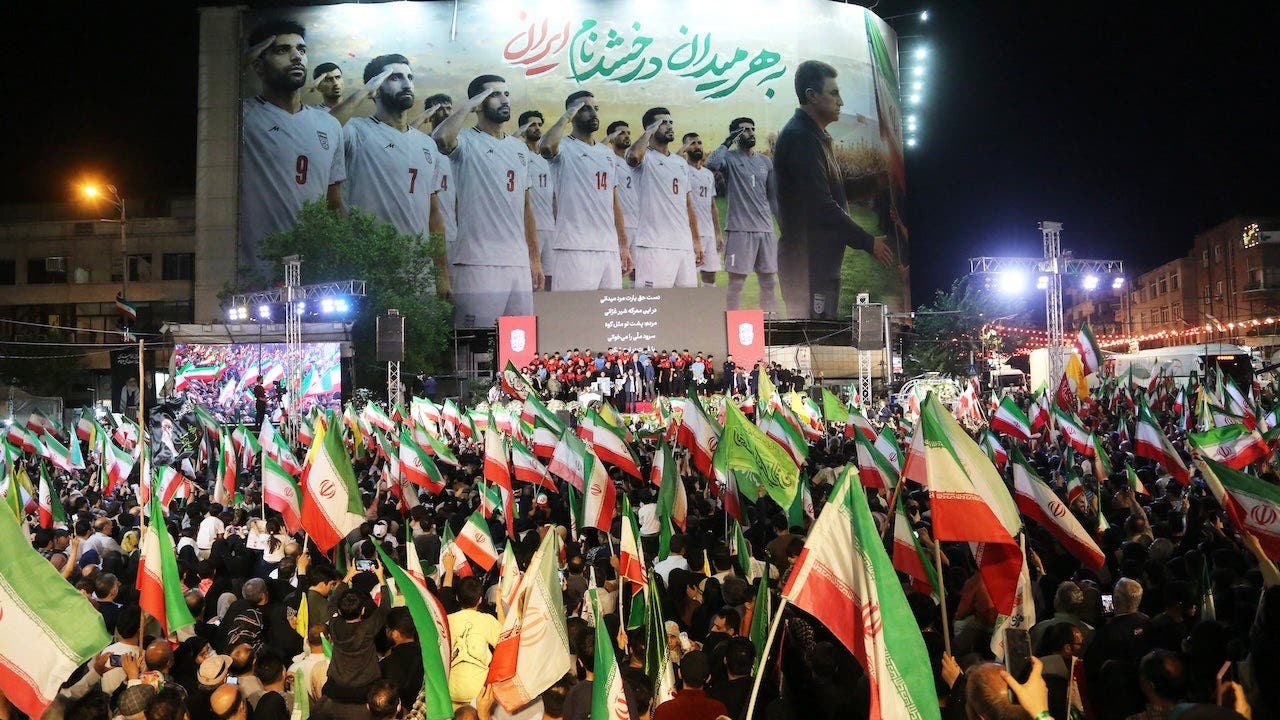
A recent report alleges Iran’s Islamic Revolutionary Guard Corps turned soccer stadiums and social clubs into surveillance hubs, using facial-recognition cameras and ID-tracking systems to monitor ordinary people, according to an NCRI report. The claim paints a picture of public places repurposed as instruments of control, where cheering crowds and casual nights out become opportunities for state monitoring. This story raises questions about how technology, sport, and social life can be weaponized against citizens who just want to live freely.
The core allegation is straightforward and chilling: cameras installed in stadiums and inside clubs were tied to facial-recognition tools and national ID databases to identify and follow individuals. When large gatherings form, the regime allegedly seized the chance to map who attended, where they moved, and who they met. That turns moments of communal joy into data points for a security apparatus that answers to the IRGC.
This isn’t benign surveillance for public safety. The report frames it as targeted monitoring that disproportionately affects people the regime fears most, including activists, women, and families that took to the streets in protest. Using sports venues makes the system both widespread and invasive. A place that should be a refuge from politics instead becomes a sensor grid feeding an authoritarian state.
Facial recognition tied to ID tracking is powerful because it provides immediate linkage between a face captured on camera and a legal identity. That means movements are not anonymous, and associations can be traced. For a government that detains, interrogates, and punishes dissidents, that linkage is a tool for intimidation and control rather than a neutral policing measure.
Putting such a system inside stadiums also sends a message: nowhere is safe from surveillance, not even where people go to escape and enjoy a game. It chills the very idea of public life. If the allegations hold, the IRGC used everyday social settings as intelligence platforms, turning normal behavior into evidence that could be used for harassment or worse.
This claim fits a larger picture of state repression. The IRGC has a track record of crushing dissent and using technology to track opponents, so the stadium story, if true, is consistent with that pattern. For those watching from abroad, it’s a reminder that authoritarian regimes adapt modern tools to old habits of control: watch, catalog, and punish anyone who steps out of line.
There are practical consequences. Athletes, fans, and ordinary citizens should be aware of risks when attending large events in places where civil liberties are not protected. International sports bodies and democratic governments need to demand transparency and insist that venues be free from systems that make attendance a legal risk. Exposing these tactics and pressing for accountability is the clearest way to protect people who can’t protect themselves.
The broader lesson is simple: technology is neutral, but regimes are not. When tools meant for security become instruments of repression, they erode trust, choke public life, and threaten basic freedoms. Standing up to that misuse means keeping pressure on the institutions that enable it and making sure the world knows what happens when sports and social spaces are turned into instruments of surveillance.
