
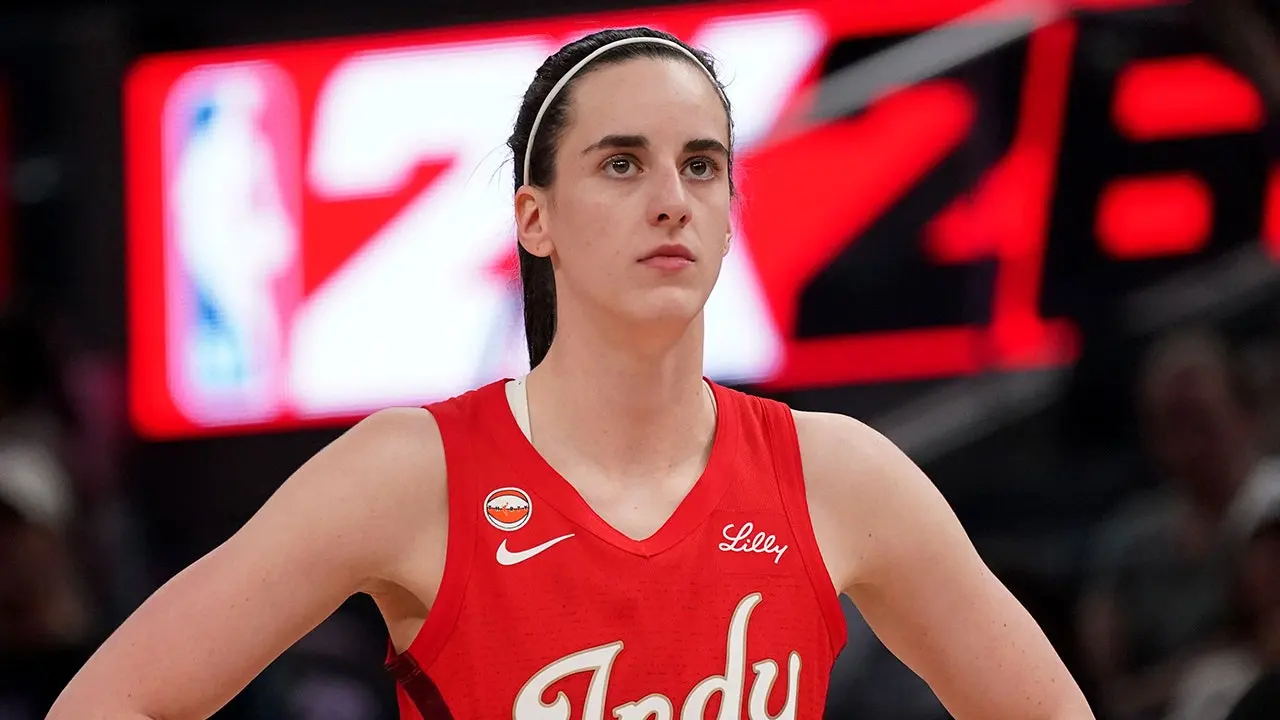
Nancy Lieberman said Caitlin Clark is responsible for the WNBA’s $2.2 billion CBA deal, comparing her impact to Michael Jordan and Tiger Woods. That idea landed hard in sports circles because it puts one player at the center of a sweeping business shift. The conversation is now about influence, money, and whether a single star can reshape an entire league’s future.
Clark arrived with a media arc that few rookies experience, dragging TV numbers and social attention in her wake. Coaches, front offices, and league marketers suddenly had to account for an athlete who draws eyeballs beyond the usual WNBA audience. That attention translated into negotiation leverage at the bargaining table even if the deal itself was the product of many moving parts.
Lieberman’s comparison to Michael Jordan and Tiger Woods isn’t literal history so much as shorthand for outsized commercial pull. Jordan and Woods changed sponsorships, viewing habits, and stadium economics in their sports, and Lieberman suggested Clark is doing a similar thing in women’s basketball. That parallel highlights how a single figure can catalyze broader market shifts when timing and platform align.
The CBA’s headline number grabbed the most attention, but its ripple effects matter more to daily fans and players. Increased salary caps, improved benefits, and marketing investments alter career calculus for athletes across the league. Those structural changes may reshape recruiting, retention, and the quality of competition over the next decade.
Still, pinning the entire outcome on one player oversimplifies the reality of collective bargaining. The WNBA’s growth points to long-term efforts: owners investing in teams, broadcasters testing new windows, and a generation of players building credibility on and off the court. Clark’s presence accelerated interest, but the foundation came from years of steady progress within the sport.
There’s also a practical risk when so much attention funnels to a single star. Teams can become reliant on short-term ratings booms that might not persist if media attention shifts. The league now faces the challenge of converting temporary spikes into lasting, diversified fan engagement that survives beyond any individual career.
From a business perspective, the CBA reflects a new bargaining posture that accounts for outside-the-box revenue streams like streaming, sponsorship, and social engagement. That broader lens was necessary to match the market value that a breakout star helped reveal. In negotiations, visibility translates into leverage, and visibility is the currency Clark brought in abundance.
On the cultural side, Clark’s impact goes beyond ticket sales and TV deals; she shaped conversation about the WNBA’s place in American sports. Young players see a clearer blueprint for turning talent into economic opportunity, and that matters for the game’s pipeline. The long-term health of the league depends on turning cultural buzz into structural stability.
Critics will argue that the league shouldn’t hinge on one phenomenon, and that’s a fair point to keep in view. Sustainable growth requires investment in grassroots programs, equitable team funding, and marketing that spreads attention across the roster. The CBA’s success will be judged not just by headline dollars but by how broadly those dollars lift the league.
The bottom line is straightforward: a single high-profile athlete changed the conversation and helped unlock serious economic value, but the work to convert that moment into lasting progress is collective. The WNBA now has an opportunity to build on the momentum and craft policies that encourage steady growth. What happens next depends on whether the league can turn star-driven attention into durable structures that benefit players and fans alike.
