
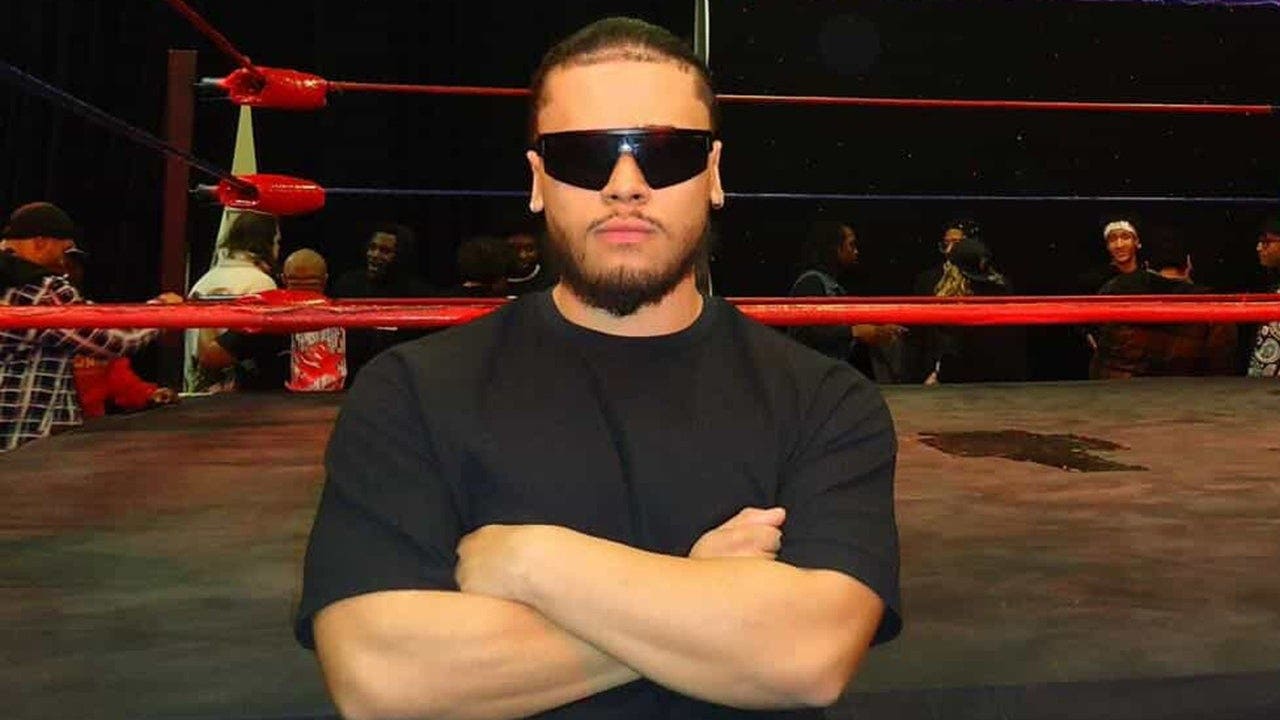
Indie wrestler Dono Hefner has built a steady presence by treating social media like a daily gym for his brand, mixing character work with behind-the-scenes glimpses and leaning on ideas from Richard Holliday, Ben Bishop and Tommy Invincible to shape his approach.
Dono treats every post as a small performance, not just a status update. He posts consistently, shares short promos, and layers those moments with candid training clips so fans see both the persona and the person. That blend helps him stay visible while giving followers reasons to come back every day.
One clear influence on his style comes from watching other wrestlers and picking up what works. Richard Holliday’s confidence in promos, Ben Bishop’s technical highlights, and Tommy Invincible’s knack for crowd work have all fed into how Dono crafts content. He borrows techniques rather than copying, adapting them to fit his own voice and the vibe his fans expect.
Engagement is not accidental for Dono; it’s intentional and accountable. He replies to comments, experiments with polls, and uses short videos to prompt direct reactions instead of leaving posts to sit silent. That constant interaction turns casual viewers into a stable community and helps him understand what lands and what flops.
Content variety keeps his feeds from getting stale, so he mixes formats across platforms. One day might be a tight promo clip, the next a slow-motion training highlight, and another a quick Q and A about travel or diet. This rotation keeps different audience segments interested and lets him track which formats drive follows, DMs, and event interest.
Authenticity is the glue that holds his strategy together. Dono doesn’t try to be everything to everyone; he leans into the parts of his personality that are real and repeatable under pressure. Fans notice when someone is genuine, and in wrestling that trust can translate into ticket sales, merch purchases, and word-of-mouth momentum.
Behind-the-scenes content is a strategic long game for him, not filler. Showing the prep, the bus rides, and the locker-room moments gives fans access they can’t get from a televised match. Those slices of life make fans feel invested in his journey and more likely to show up when he’s on a card.
He also treats analytics like a map, not a mandate. Numbers tell him which moments people replay and which they scroll past, but he resists letting data squash creativity. Instead, Dono uses the insights to refine timing, caption length, and the types of calls to action that actually move his audience to engage.
Monetization plays a role, but it’s never staged to the point of alienating his audience. Limited merch drops, short-form sponsor tie-ins, and exclusive content for core supporters are all part of the plan, designed so that fans feel rewarded rather than sold to. That delicate balance helps him grow income without losing credibility in the locker room or online.
Booking and networking benefit directly from his social footprint, since promoters and other wrestlers notice consistent, engaged creators. A steady feed shows reliability and marketability, which can lead to better bookings and collaborations. Dono aims to make his social media presence a business card that demonstrates what he brings to a show.
Mistakes happen, and he owns them publicly when they do. A misfired promo or a post that missed the mark gets a follow-up that explains the context and moves on, which humanizes him and limits blowback. That openness builds a layer of trust that scripted hype alone can’t manufacture.
Ultimately, Dono treats social media as daily practice, an extension of in-ring work that requires discipline, creativity, and humility. By combining inspiration from peers like Richard Holliday, Ben Bishop and Tommy Invincible with habits that prioritize engagement and authenticity, he’s carved out a sustainable path forward in the indie scene.
