Hyperscale Data’s Dowagiac facility is at the center of a local uproar: neighbors are suing over nonstop noise while the company prepares to bring in humanoid robots to train AI systems, a move that intensifies the debate over new technology, community impact, and corporate ambition.
Residents around the Dowagiac, Michigan site say the data center’s constant hum makes normal life hard and have opened a class action claiming the noise is overwhelming. People report hearing the cooling systems and fans from inside their homes, and everyday activities have been disrupted by the steady mechanical drone. “I’m walking [my son] more than a mile away to get away from the noise,” one man said, per WSBT.
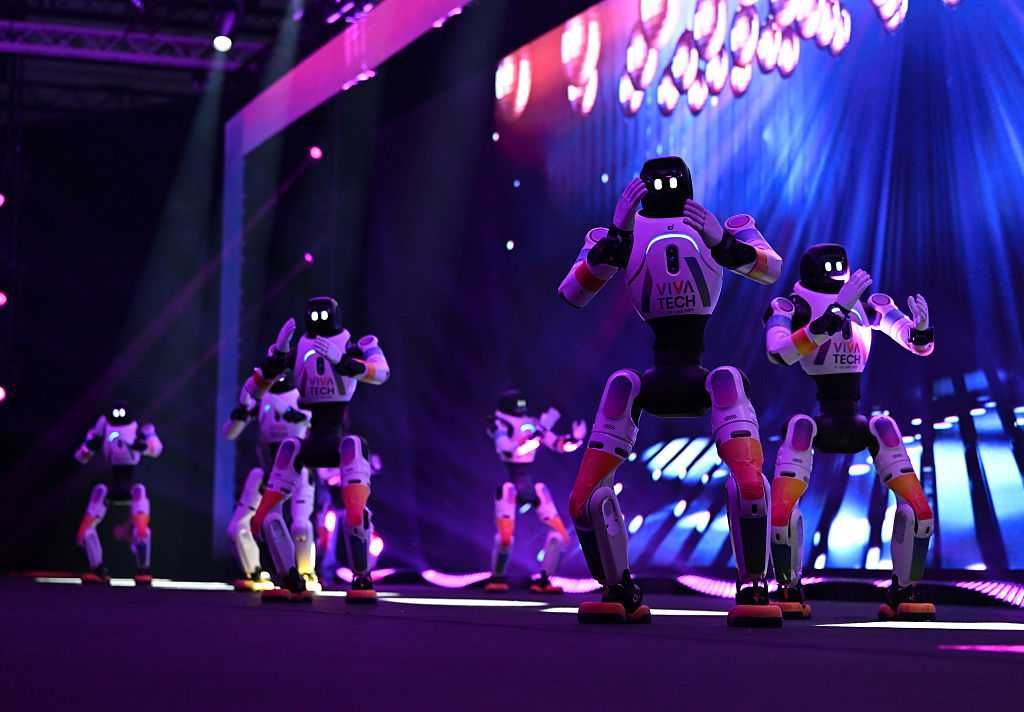
The controversy deepened when Hyperscale Data and its subsidiary Omnipresent Robotics announced plans to bring humanoid robots into the facility for training and testing. The company says it will source components from a Chinese robotics firm for 30 OPR-R2 humanoid robots, which has raised fresh concerns among locals already fed up with the site. For many, the robots are another layer of tech complexity dropped into a small community without clear answers about oversight or benefits.
Hyperscale expects the humanoid units to arrive and be deployed in the third quarter of 2026, framing the rollout as a step toward embodied artificial intelligence and autonomous workflows. Company materials describe the project as support for development of advanced robotics systems and hands-on AI training that requires real-world interactions. That pitch is meant to sell the idea that these machines will accelerate research and productivity inside the data center environment.
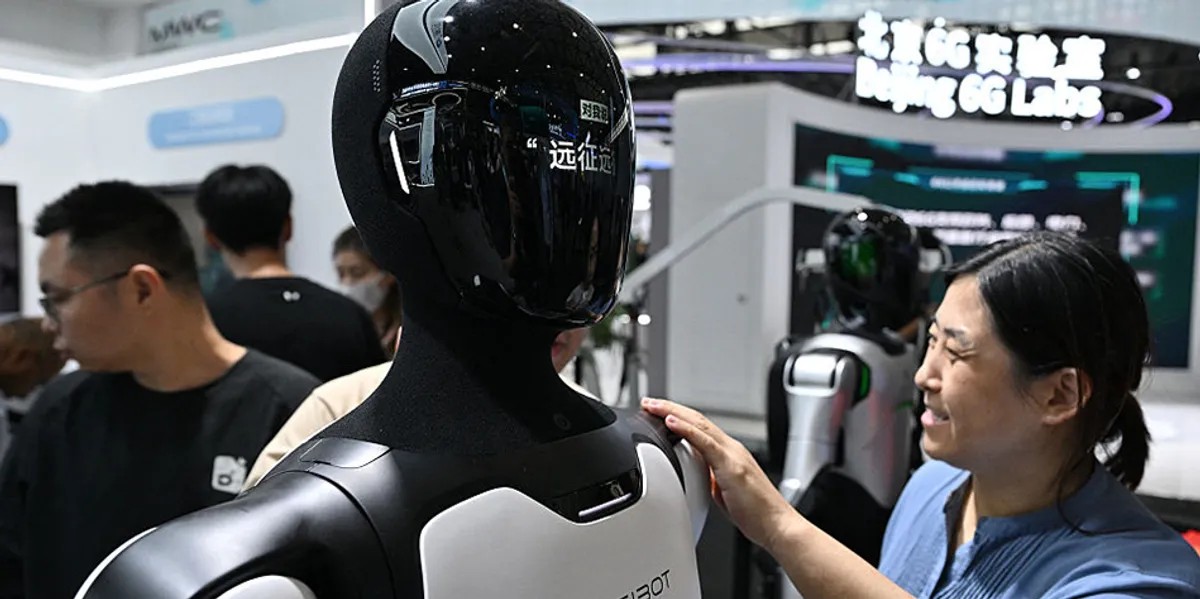
Although the specific OPR-R2 model is not listed on the robotics partner’s public product pages, comparable humanoid machines are already on the market and give a sense of what residents might see. The top consumer-facing humanoid from that supplier stands about five-and-a-half feet tall and weighs just over 150 pounds, equipped with three cameras — head, chest, and waist — plus a microphone and speaker. Those sensor suites are designed to let the robots perceive and respond to human activity, which is exactly what makes neighbors uneasy.
The robots are pitched for a wide range of uses, from brand ambassadors and entertainment gigs to industrial and training roles, but at Hyperscale they’ll be assigned to a Model Training Laboratory. There, the machines will work side-by-side with data center staff to mirror human movements and simulate on-the-job tasks as part of what the company calls real-world training for embodied AI. ‘… create a unique environment for developing and evaluating next-generation AI systems capable of operating in real-world environments.’
Hyperscale’s chairman has been explicit about the vision: the company believes “physical AI” is the future of artificial intelligence, and that “tomorrow’s AI systems” must be able to understand and interact with the physical world. Framing the project this way highlights a strategic bet on machines that do more than compute — they act in place of or alongside people. For critics, that language sounds like a justification for moving experimental robotics into neighborhoods without fully answering safety, privacy, or noise questions.
The facility itself is large and energy intensive, stretching roughly 617,000 square feet and consuming about 28 megawatts of power. There are a dozen other data centers within about 50 miles of the site, so the Dowagiac location is part of a regional data ecosystem rather than an isolated outpost. Meanwhile, Hyperscale’s stock trades at a very low per-share price, which some observers say increases pressure on the company to chase high-profile projects that might boost investor interest.
Local opposition and a pending lawsuit suggest the robots won’t quiet community concerns, and the arrival of humanoid systems could harden resistance rather than soothe it. As the company moves ahead with its timetable, residents, regulators, and the firm itself will face decisions about what level of transparency and control is needed when experimental technology meets everyday life.