
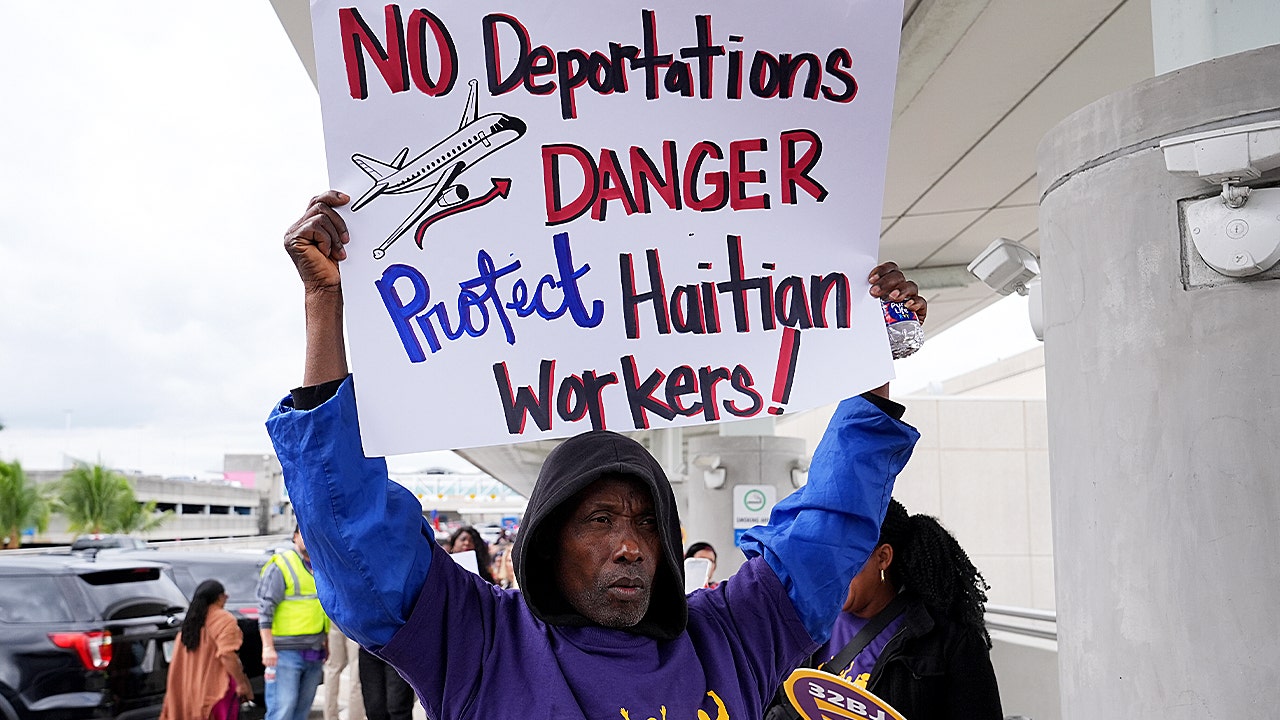
This piece looks at the Supreme Court’s Mullin v Doe decision, the debate over temporary protected status, and how large, prolonged refugee inflows reshape towns, schools and jobs. It contrasts the idea of temporary refuge with long-term settlement, highlights real experiences from Springfield and other communities, and argues for stricter, orderly policy that respects local residents. It keeps a Republican perspective, arguing the Court acted correctly and urging decisive federal action.
The Supreme Court’s ruling in Mullin v Doe gives the administration room to return many who have been under temporary protected status. That outcome has set off a political firestorm, with critics claiming it strips people of safety and opportunity. From a conservative point of view, the core question is simple: what does temporary really mean when residency stretches on for years?
Temporary protected status is supposed to be short-term protection for people fleeing immediate danger, not a backdoor to open-ended residency. When that designation lasts decades, it changes the incentives for both newcomers and host communities. The label “temporary” matters because it affects assimilation, public services, and who has a voice in how towns evolve.
“The Supreme Court just sparked one of the largest attacks on immigrants in modern American history. In one fell swoop, thousands of Haitians and Syrians now risk losing the right to live and work in the country they call home.”
That is the exact criticism from New York Mayor Zohran Mamdani, and it captures the emotional side of the debate. But emotion does not replace practical policy design.
The distinction between an immigrant and a refugee is critical and often overlooked in public debates. Immigrants typically plan to settle, learn the language and become part of the civic fabric, because their children and grandchildren will grow up here. Refugees, by contrast, are meant to be temporary when the danger that drove them away is expected to pass, which calls for different planning and expectations.
Places like Springfield, Ohio, have become case studies in what happens when temporary status swells into de facto long-term presence. Town leaders and residents describe sudden pressures on schools, housing and local services when tens of thousands arrive in a relatively short span. Those impacts are not just political talking points; they are daily realities for teachers, landlords and parents.
Local business owners sometimes cheer these arrivals because they find a ready workforce, and some libertarian voices applaud the economic benefit. That does not erase the strain on classrooms where teachers struggle to meet vastly different language needs. If policy favors employers while ignoring community capacity, it breeds resentment and division.
Housing markets tighten when rental units shift toward new arrivals, and families who once counted on visiting grandkids find units occupied by long-term tenants. These are concrete losses felt by ordinary people, who view the change as imposed rather than negotiated. When decisions at the federal level cause rapid cultural shifts on Main Street, local consent matters, and it was largely missing in many affected towns.
“By the way, many of the Haitians who were given TPS under Joe Biden did not come from Haiti,” Gill wrote. “They were living in nations like Brazil and Chile and came here to take advantage of Biden’s open border. They were sent, not to Martha’s Vineyard or Sherman Oaks, but to blue-collar, midwestern towns like Springfield, Ohio. And the people there were called racist for objecting to the culture of the town they built being fundamentally changed overnight.”
That passage from Rep. Brandon Gill lays out how policy choices and enforcement gaps interact.
There are places that handle refugee arrivals well because they limit numbers and invest in integration, like steady relocation sites that accept a few hundred a year and pair newcomers with language and job programs. Those systems produce better outcomes for both new arrivals and host communities because they incentivize assimilation and self-sufficiency. The opposite approach—mass, unmanaged inflows—creates long-term problems for everyone.
The Biden era blurred temporary protections into permanent benefits for many, which conservatives argue undermined good immigration policy and crowded out realistic reform. Allowing millions of unauthorized arrivals while granting extended status to others made coherent reform politically impossible. The Supreme Court’s decision gives the executive branch the chance to restore the temporary promise and correct course.
Voters in places like Springfield responded to these pressures at the ballot box, seeking leaders who promised to fix border and migration policy. The Court cleared legal space for action, and Republican leaders should use that space to implement orderly returns and to rebuild a system that treats temporary protection as truly temporary. For communities and taxpayers, that is the only sustainable path forward.
