
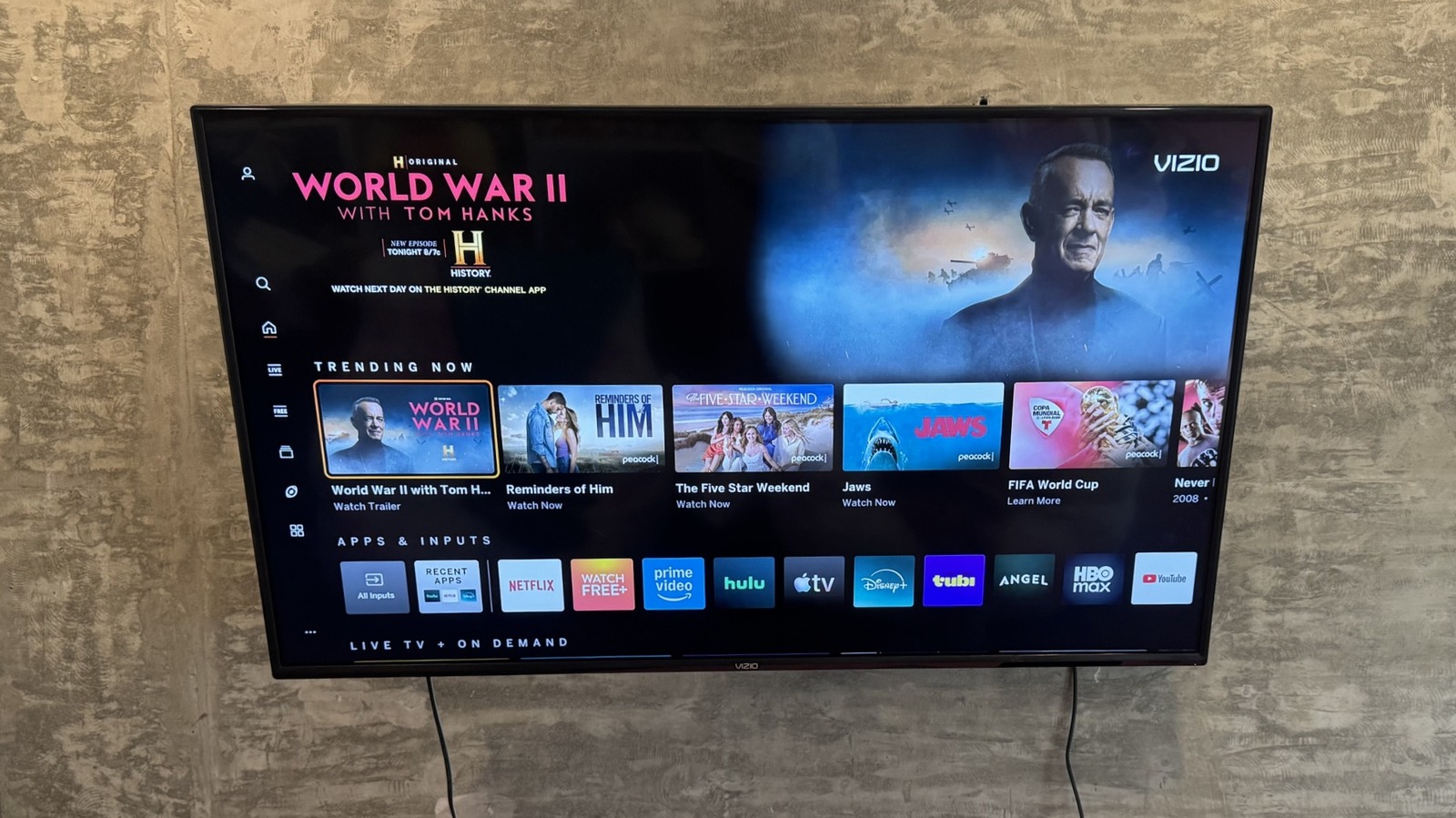
Mounting a TV on a concrete wall might sound like a job built for pros, but it is absolutely doable with the right gear and a steady hand. The key is knowing that concrete is tougher than drywall, which means the process takes more patience and a bit more muscle. Once it is up, though, the payoff is real: a cleaner look, more floor space, and a setup that can feel much more polished.
The first thing to get straight is the hardware. You will need a TV mount kit that matches the size and weight of your screen, plus the right drilling and fastening tools to handle concrete. A marker, hammer drill, masonry bit, level, concrete screws, and safety gear like goggles and gloves all belong on the list before you start.
Planning matters just as much as drilling. Pick the spot on the wall carefully, then measure so you know where the mount should sit and how the TV will line up above it. Hold the wall plate in place, check that it is level, and mark the hole locations so you are not guessing once the drill comes out.
After that, it is time to make the holes. A hammer drill with a masonry bit is the tool that gets through concrete cleanly, and the holes need to be deep enough for the anchors to sit properly. This is also the point where you may hit rebar, which can slow things down and force you to shift position if the steel blocks the drill path.
Once the holes are ready, the anchors go in and the mount plate can be secured. This step is all about keeping the plate tight and lined up so the weight of the TV is supported evenly. If the plate feels solid and the level still says it is straight, you are in good shape to move on.
Attaching the TV is the part that makes the whole project feel real. With the mount locked down, you can connect the screen, adjust its position, and check that the bracket holds firm. A tilt or full-motion mount can make the setup even better, especially if you want to cut glare or aim the screen toward different seating spots.
Before you call it done, give the TV a careful test. A small wiggle is enough to tell you whether everything feels secure, and it is better to catch a problem now than after the set has been hanging for a while. If the mount feels stable, you can also clean up the look by hiding the wires for a much neater finish.
That last bit is where the whole wall starts to feel intentional instead of improvised. Clean lines, no dangling cords, and a screen that looks like it belongs there can change the whole room fast. Concrete may seem like an intimidating surface at first, but with the right prep, it stops being a barrier and starts being just another wall.
