
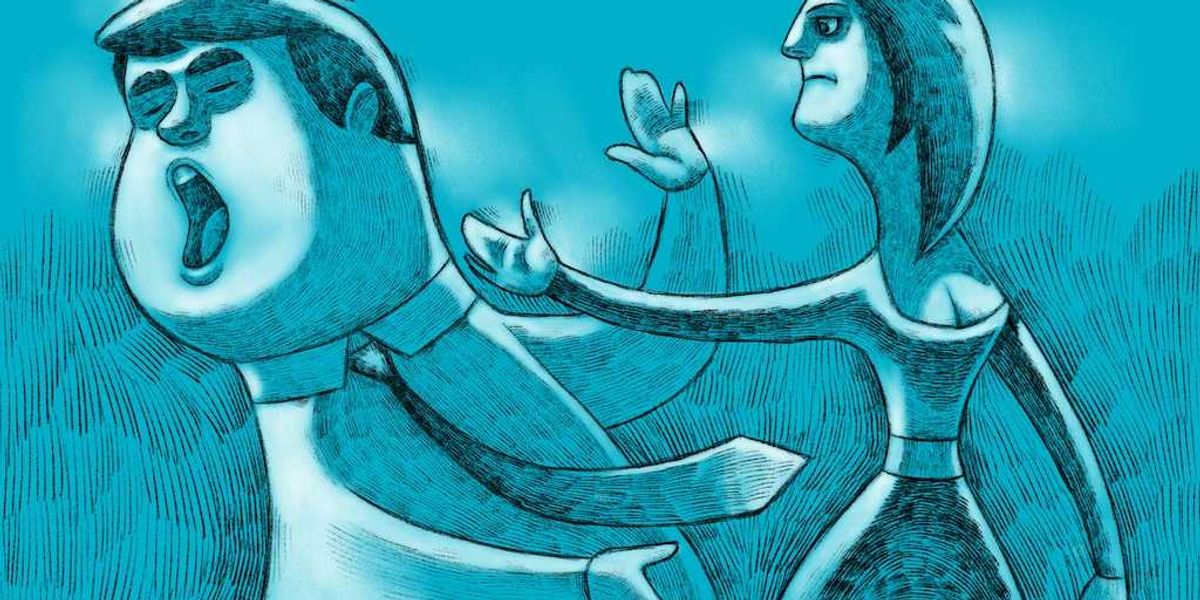
Family ties are often treated like a soft place to land, but that comfort can turn fragile fast when the bonds start to fray. The modern obsession with “safe spaces” and self-protection has made it easier for people to cut off the people closest to them, even when the fallout runs deep. What gets lost in that rush is the simple truth that family is usually less like a polished investment and more like a hard, messy commitment to being human.
There is a growing cultural habit of treating emotional friction as proof that something is broken beyond repair. Instead of working through tension, people are encouraged to protect themselves first, often at the cost of patience, humility, and memory. That mindset can make estrangement feel noble in the moment, but it can also leave people isolated from the very relationships that shape character, identity, and resilience.
The idea that family should always feel affirming is a modern fantasy with a short shelf life. Real households carry disagreement, disappointment, and personality clashes, and those things do not automatically mean the bonds are worthless. In fact, the pressure of living with differences can teach a person how to tolerate imperfection without turning every wound into a permanent exile.
This is where the language of risk matters. Any close relationship carries the possibility of pain, because closeness gives other people access to your vulnerabilities. But that same risk is what makes love real instead of decorative, and once every painful moment is treated as a threat, the family starts to dissolve into a series of guarded transactions.
Estrangement has become easier to justify because the culture now prizes emotional certainty over endurance. If someone feels hurt, offended, or unseen, the quickest response is often distance, not dialogue. That may provide immediate relief, but it also rewards a kind of spiritual convenience that leaves little room for forgiveness or growth.
The tragedy is that family can be one of the last places where honest friction still has a chance to do good. A difficult parent, a stubborn sibling, or a clumsy generational clash can become a mirror that forces hard self-examination. Those moments are uncomfortable, sure, but they can also reveal where pride is hiding and where grace still needs practice.
Political and cultural polarization only make the problem sharper. When public life trains people to divide every relationship into allies and enemies, it becomes easier to bring that same logic home and turn relatives into opponents. Once that happens, every disagreement starts to feel existential, and the family table begins to look like another battlefield.
None of this means abuse should be excused or that every bond must be preserved at any cost. Some relationships are genuinely destructive and distance can be wise, even necessary. But it is a mistake to treat all discomfort as danger, because that reflex can turn ordinary imperfection into permanent rupture.
What family asks for is not sentimentality but stamina. It asks people to keep showing up after awkward conversations, failed apologies, and old resentments that refuse to die quietly. That kind of persistence does not always produce neat closure, yet it often produces something more valuable: a deeper, less fragile understanding of what it means to belong to other people.
There is something quietly radical about refusing to give up on the people who know the worst and best of you. In a world that keeps selling emotional escape as progress, staying in the room can feel almost rebellious. And sometimes the most human thing available is not a clean break, but the stubborn choice to keep the connection alive long enough for mercy to do its work.

1 Comment
Been so since Trumps first term to date