
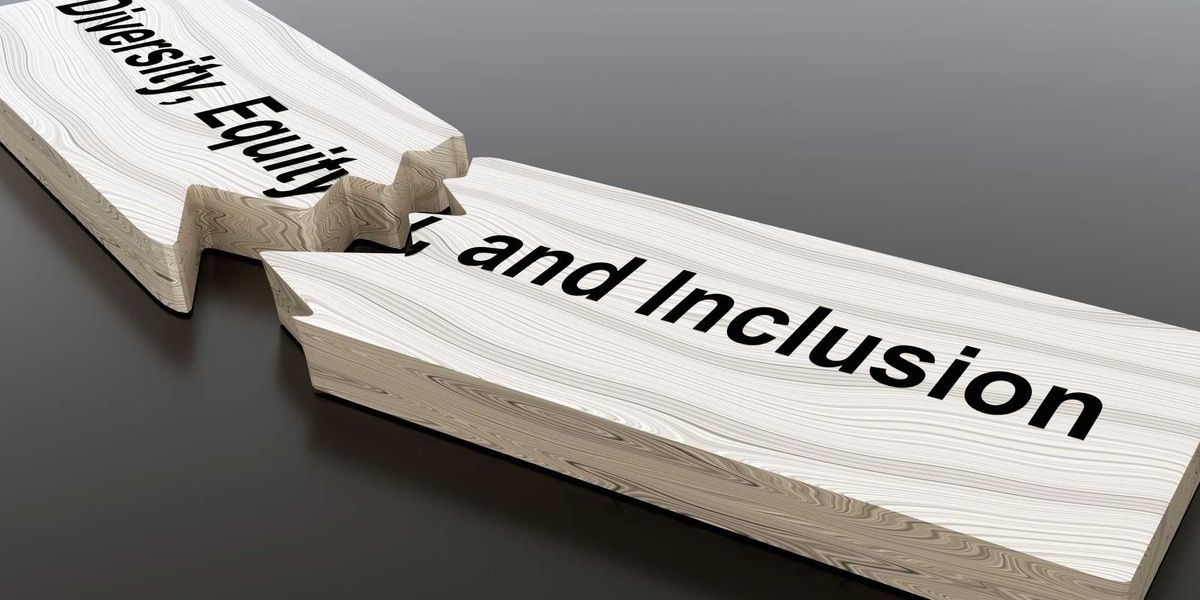
DEI keeps showing up in new forms, even after years of backlash, legal fights, and public fatigue. What looks like a quiet retreat often turns into a reboot with softer language, fresh labels, and the same old goals tucked underneath.
The pressure surrounding diversity, equity, and inclusion has not vanished; it has simply changed shape. Instead of loud slogans and glossy corporate campaigns, the push now moves through institutions, policies, and preferred language that tries to sound less controversial while preserving the core mission.
That matters because the debate is no longer just about office training or a few HR slides. It reaches into government agencies, schools, universities, and major public institutions, where DEI ideas can influence hiring, promotions, discipline, and the way official messages are framed.
Critics see the whole project as a polished version of identity politics that treats people differently based on race and other categories. Supporters present it as fairness and representation, but the argument keeps running into the same issue: whether equality means equal treatment or managed outcomes.
One reason the controversy stays alive is that DEI rarely disappears cleanly. When public pressure builds, the language changes, the branding gets toned down, and the same priorities come back wearing a different jacket.
That pattern has made a lot of people skeptical. They have watched terms shift from affirmative action to diversity, then to equity, and now to broader inclusion language, all while the practical effect often seems to move in the same direction.
The federal side of the fight has become especially important. Agencies can adopt hiring rules, training standards, and internal messaging that reflect DEI thinking, and those choices ripple far beyond Washington into how ordinary Americans experience government itself.
Then there is the cultural layer, which may be the strongest part of all. DEI is not just a workplace issue anymore because it has become a signal of who gets praised, who gets dismissed, and which views are treated as respectable in elite institutions.
That is why the backlash keeps growing. Many Americans do not object to basic decency, fair opportunity, or treating people with respect, but they bristle at systems that sort citizens by group identity and then call it progress.
The phrase itself has also become loaded. For some, DEI sounds like a harmless commitment to broad participation, while for others it has come to represent ideological pressure that punishes disagreement and rewards conformity.
What makes the current moment so revealing is how stubborn the movement remains. Even after sharp criticism from lawmakers, courts, parents, and employees, the ideas behind DEI keep finding ways to survive in new packaging and new settings.
That resilience says a lot about modern institutions. Once a movement gets built into policy, staffing, and messaging, it becomes harder to uproot than people expect, especially when the people running those systems believe the cause is morally untouchable.
Still, the public mood has shifted. More people are asking why race-conscious programs are still being defended as neutral, why ideological training is treated like common sense, and why any pushback gets painted as hostility rather than debate.
Those questions are not going away, and neither is the fight over where fairness ends and favoritism begins. As long as institutions keep trying to disguise the same idea with new wording, the argument around DEI will keep popping back up in places that matter.
