
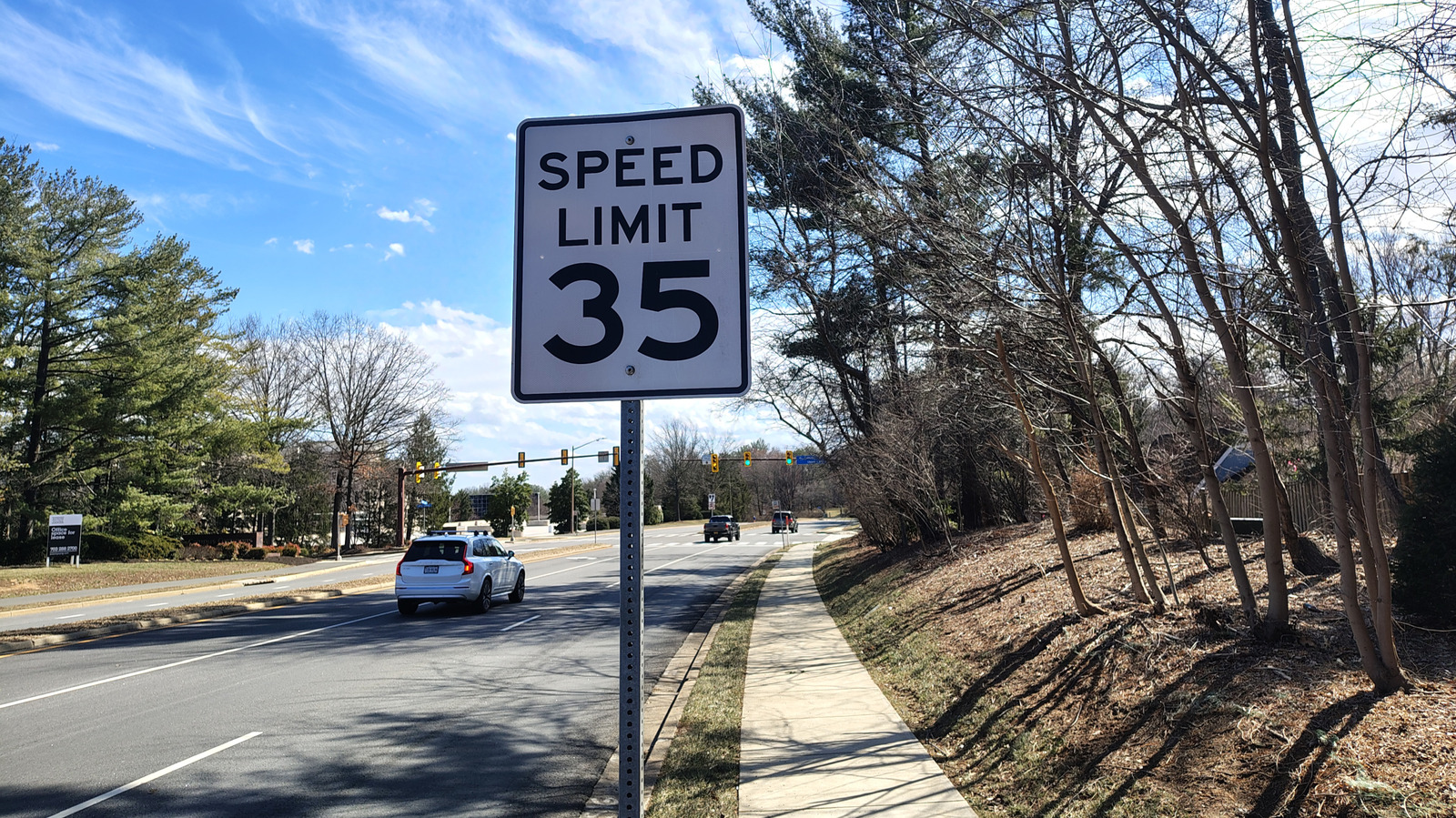
Modern cars have turned into rolling tech hubs, and one of the slickest tricks in the mix is knowing when a speed limit changes before the driver even glances up. That little number appearing on the dash, center screen, or head-up display comes from a smart system watching the road, spotting signs, and feeding the car fresh information in real time. It is useful, a little futuristic, and not nearly as magical as it looks.
Traffic-sign recognition, often shortened to TSR, is the feature behind the curtain. It works as part of a bigger group of driver-assistance tools, using cameras and software to read roadside signs as the car moves. Instead of depending only on navigation maps, the system keeps scanning the road ahead so it can catch changes that matter right away.
The core of the setup is usually a forward-facing camera near the rearview mirror area. From that high vantage point, it can continuously watch the lane ahead and gather images of signs before the vehicle passes them. Once a speed limit sign enters view, the software kicks in, identifies the shape and markings, and translates that into a clear display for the driver.
That real-time recognition is part computer vision, part pattern matching, and part split-second decision-making. The system is not just looking for any sign with numbers on it, either. It is trained to recognize the specific design of traffic signs so it can separate a speed limit marker from everything else cluttering the roadside.
Some automakers treat TSR as a helpful backup layer, not a replacement for attention. If a driver misses a sign or gets distracted by traffic, the feature can still surface the current limit in a way that is hard to overlook. That is why it often shows up alongside other safety tools designed to reduce fatigue and keep the driver informed.
Still, the system has limits, and those limits show up fast when the weather turns ugly. Rain, snow, fog, glare, and darkness can all make it harder for the camera to capture a clean image. Even when the software is smart, bad visibility can scramble the input it needs to make the right call.
Dirty glass can be just as annoying. If the windshield is smeared with grime, bugs, or road spray, the camera may not get a sharp enough picture to read the sign correctly. A lot of high-tech driving features depend on a clear view, and TSR is no exception.
Roadside clutter causes its own headaches. A sign blocked by branches, hidden behind another object, or installed at a crooked angle may not be recognized the way it should be. Bent signs and awkward placements can throw off the system, especially when the camera only has a brief moment to interpret what it sees.
That is why TSR works best as a guide, not gospel. Drivers still need to keep their eyes on the road, because the car can only react to what it can see and understand. The feature can be impressively quick, but it is still limited by the same messy world everyone else has to deal with.
As more cars pack in cameras, sensors, and software, features like this are becoming more common and more polished. What once sounded like premium tech is now showing up in everyday vehicles, quietly making the driving experience feel a bit more intuitive. And when that speed limit changes, the car is often right there to catch it before the moment is gone.
