
Two nonprofits tied to Neville Roy Singham’s funding web are digging in their heels after House lawmakers subpoenaed records in a probe centered on foreign influence, tax-exempt money, and political activism. Their challenge has turned the fight into a sharp clash over free speech, congressional power, and whether scrutiny of nonprofit funding can be dismissed as political persecution.
BreakThrough News and the Peoples Forum, both based in New York City, say the House Ways and Means Committee is overreaching and trying to pry into protected speech and organizing. In letters from their attorneys, the groups argue the subpoenas amount to a modern-day witch hunt and violate the First Amendment because they seek more than tax records and stray into journalism, advocacy, and donor relationships.
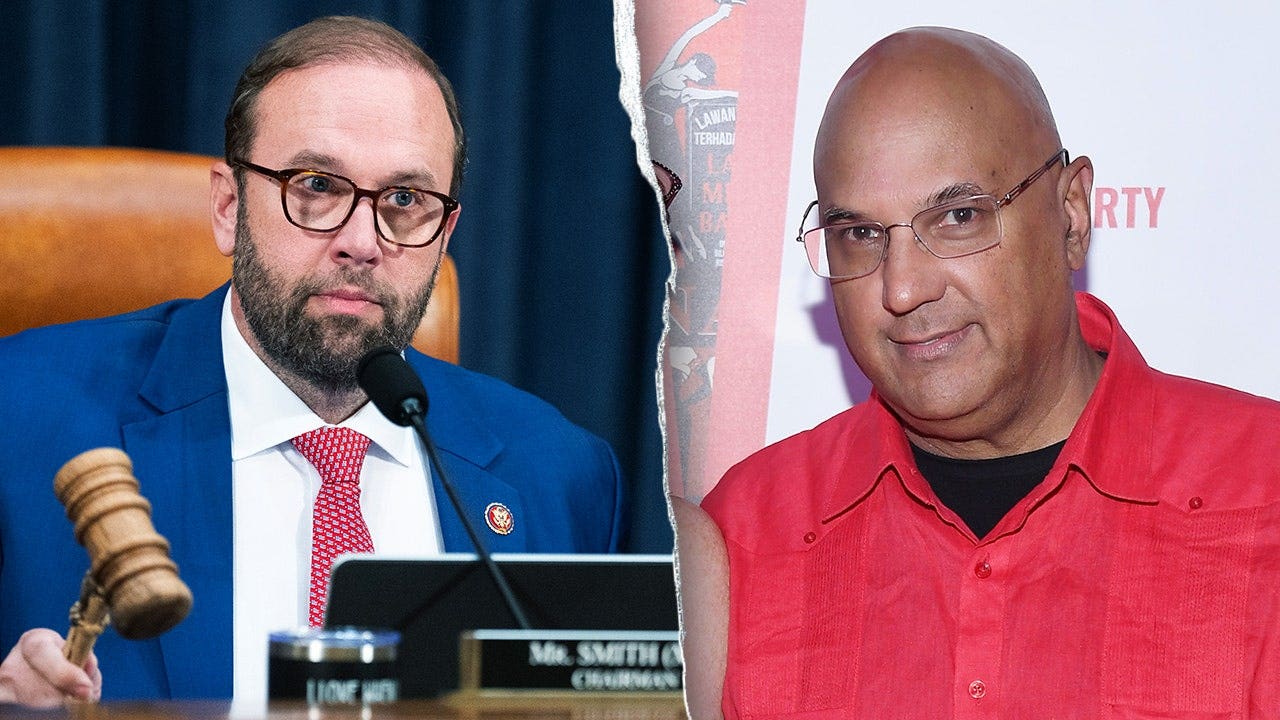
That argument did not land well with Chairman Jason Smith, R-Mo., who has made clear the committee is not bluffing. Smith says the panel is examining whether foreign actors used the tax code to push chaos and division, and he has framed compliance as a basic obligation, not a choice.
At the center of the dispute is a network of funding that House investigators say moved tens of millions of dollars from Singham-connected entities into a small cluster of nonprofit groups. The committee says the goal is to understand how the money flowed, whether the source was obscured, and whether the law needs tightening to better handle those arrangements.
The organizations rejecting the subpoenas insist the investigation is drifting far outside ordinary tax oversight. They say lawmakers are fishing for material that would expose internal strategy, editorial decisions, donor ties, and political associations, which they argue are shielded by constitutional protections.
Their lawyers also reached for history, comparing the current inquiry to the old Red Scare and House Un-American Activities Committee era. That choice of language is clearly meant to frame the subpoenas as ideological punishment, not a real legislative inquiry, and it gives the battle a much bigger cultural charge than a standard paperwork fight.
The House, though, says the subpoenas were issued because the committee wants a clearer picture of how money from Singham’s orbit reached tax-exempt groups and whether existing rules are strong enough. The panel has not accused the organizations of criminal conduct, but it has said they did not turn over the documents requested in the July 21 letters.
Those letters described more than $40 million in funding that allegedly flowed from Singham’s network to BreakThrough News, Peoples Forum, and Tricontinental: Institute for Social Research. Tricontinental identifies its work as rooted in “national liberation Marxism.”
Singham himself has become a lightning rod in conservative circles because of the size of his giving and the politics of the groups linked to his money. The former software executive, who sold ThoughtWorks for a fortune and now lives in Shanghai, has been portrayed as a major backer of organizations promoting socialist, communist, and pro-China causes.
In their letters, the nonprofits argue the committee’s demands are too broad to be justified by a tax inquiry. They say the records sought would go beyond the financial trail and expose speech, activity, and associations that Congress should not be able to rifle through without a tighter, more specific purpose.
Peoples Forum also points to what it describes as a sloppy error in the subpoena, saying one definition appears to reference BreakThrough News instead of its own organization. That mistake, it argues, shows the committee was not carefully tailoring its requests and was treating the case more like a political broadside than a targeted investigation.
Smith, for his part, has kept the tone blunt. He says tax-exempt status is a privilege, not a right, and that groups benefiting from that status cannot simply duck lawful oversight when lawmakers want to know whether foreign money or influence has seeped into the system.
The broader reaction around the subpoenas has been just as heated as the legal fight itself. Supporters of the nonprofits have flooded social media with claims that the probe is aimed at silencing independent outlets and activist groups, while critics say that reaction only underscores why Congress should keep pressing for answers.
That tension has made the case bigger than a single set of documents. It now sits at the intersection of nonprofit law, partisan warfare, media politics, and the ever-sensitive question of how much influence foreign-linked money can have when it enters the American advocacy world.
