
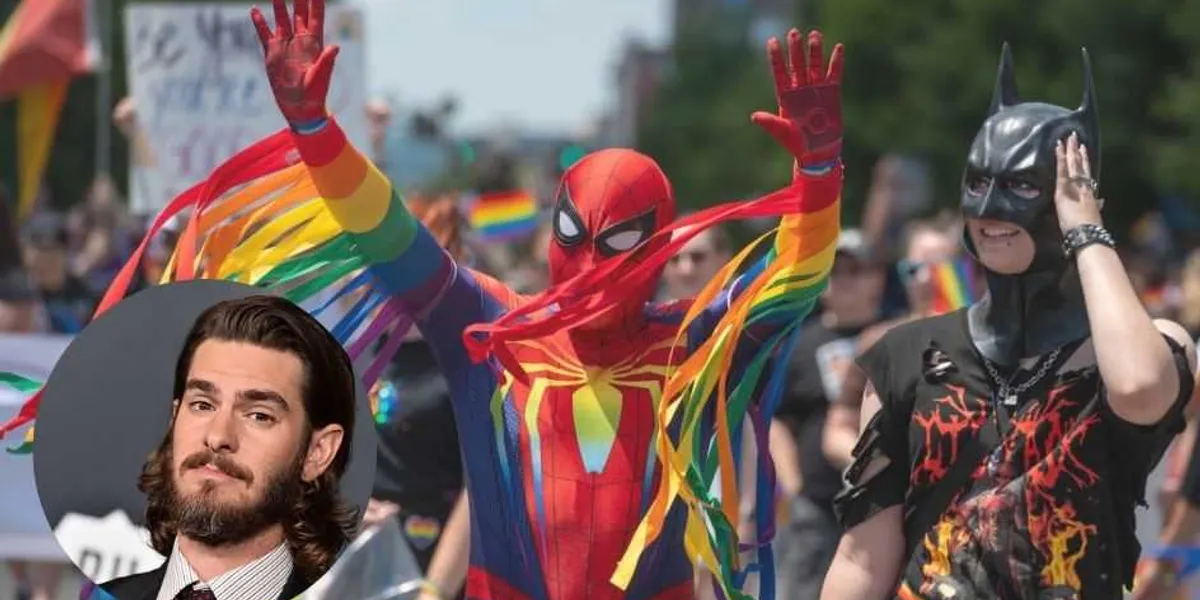
Andrew Garfield has a way of keeping the Spider-Man conversation alive, even when the web-slinging spotlight has long since moved on. The actor has been open about wanting a version of the character that breaks from the usual mold, and that kind of talk always gets people fired up. In Hollywood, a familiar franchise can feel like a safe lane, but Garfield keeps nudging it toward something louder, stranger, and more personal.
Garfield’s latest comments tap into a bigger pattern around modern superhero movies. Fans are no longer just debating costumes and villains, they are debating identity, tone, and whether big franchises should reflect more of the real world. That tension has become part of the fun, and part of the frustration, whenever Spider-Man comes up.
The push for a gay Spider-Man is not just about shock value or internet chatter. It sits inside a larger cultural argument about whether legacy characters should stay locked in their old lanes or evolve with the audience that follows them. Garfield seems comfortable leaning into that conversation, even if it ruffles feathers among viewers who want their comic-book heroes kept strictly classic.
Spider-Man has always been a character built on reinvention. From Tobey Maguire to Garfield to Tom Holland, each version has brought a different flavor, a different era, and a different crowd along with it. That history is part of why talk about a new angle on the character lands so hard, because the franchise has already shown it can be reshaped without losing its grip on pop culture.
What makes Garfield stand out is that he does not sound cautious about it. He plays the idea as something worth exploring, not something to hide behind studio language or soft-focus marketing. That kind of directness is rare in an industry that usually prefers to tease change without ever fully committing to it.
Of course, not everyone wants superhero stories to carry that kind of cultural weight. Plenty of fans still want action, humor, and a clean escape from real-world debates. But Marvel and its surrounding universe have spent years inviting bigger conversations into the room, and once that door is open, it rarely closes quietly.
Garfield’s own run as Spider-Man already has a complicated place in the fandom. Some still rank him as one of the most emotionally sharp versions of the character, while others mostly remember the abrupt rise and fall of his series. That mix of admiration and unfinished business gives his comments extra bite, because he is not speaking from the outside looking in.
The broader entertainment world has been moving this way for a while, too. Studios, stars, and streaming platforms keep circling the idea that familiar icons can be reimagined for a new generation without losing what made them famous in the first place. Sometimes that works. Sometimes it turns into a loud internet fight that burns bright for a week and then vanishes.
Still, Garfield’s comments land because Spider-Man is not just any superhero. The character has always been a mirror for growing up, feeling isolated, and trying to carry more than should fit on one pair of shoulders. That emotional core gives the franchise room to stretch, and it is exactly why every new version sparks such strong reactions.
For now, the idea remains a talking point rather than a finished plan, but the conversation itself says plenty. Hollywood likes to pretend franchise fatigue is the problem, yet the real draw may be that people still care enough to argue about what these icons can become. Garfield knows how to keep that argument alive, and that alone keeps him at the center of the web.

2 Comments
I would NEVER watch a gay Superhero movie, period.
NO Gay superheroes ever IE Iron Man, Capt America, Hulk, Aquaman, Batman, Green Hornet
Phantom etc NO