
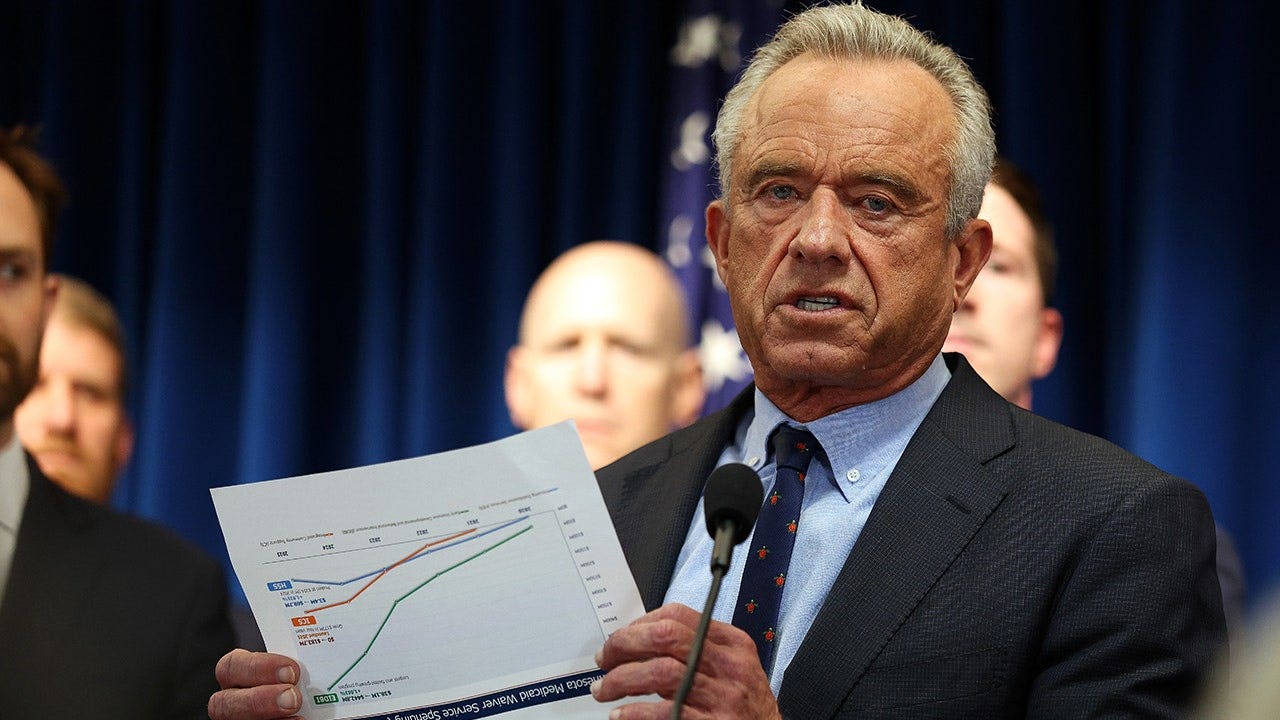
America risks losing its edge in clinical research and medical innovation, but a coordinated push from HHS under President Trump aims to reverse that trend by cutting red tape, boosting agency coordination, and making the U.S. the best place to develop new medicines and technologies.
Clinical trials are where discoveries become treatments, and right now the balance is shifting away from the United States. Other countries are running more early-stage studies and closing licensing deals that steer investment and talent overseas, and that matters for jobs, patient access and national security.
Early-stage trials set the stage for the entire drug lifecycle. They decide which approaches get refined, where expertise concentrates and which countries win the economic and scientific spillover effects. Letting that work move offshore means losing not only treatments but the companies and high-skilled jobs that come with them.
Some voices have been blunt about the risk to American supply chains and medical leadership; LIZ PEEK: TRUMP MUST STAY STRONG, US RELIANCE ON CHINESE MINERALS AND DRUGS PUTS AMERICANS AT RISK captures that urgency. This is a strategic fight over where innovation happens and who controls critical health technologies.
The Department of Health and Human Services is responding with a cross-agency effort that targets the chokepoints slowing research. FDA, NIH, CMS, ONC, ARPA-H and the HHS Office of Inspector General are coordinating to make the U.S. more attractive for clinical research, with an eye toward speeding development without sacrificing safety.
FDA leadership is clarifying expectations for sponsors and moving to streamline Phase 1 development, plus a pilot to accelerate early-stage trials. Those changes aim to shave months off development timelines and make it more practical for smaller companies to run their first human studies here.
NIH is sharpening support for rigorous, well-powered trials while investing in tools that speed discovery, including artificial intelligence, human cell-based models and real-world data. Teams at NIH are also applying lessons from personalized gene-editing work and pushing to make cancer studies more efficient and easier for patients to join.
The Office of the National Coordinator is focusing on technology that links eligible patients to trials through electronic health records and routine care. Smooth, integrated digital pathways mean more patients learn about studies early, which improves enrollment and brings therapies to people faster.
FDA LAUNCHES NEW AI-POWERED SYSTEM TO TRACK DRUG AND VACCINE SIDE EFFECTS NATIONWIDE highlights how modern tools can make oversight smarter, not slower. ARPA-H is also working on technologies to identify promising candidates earlier, spot safety problems sooner and reduce the cost and time of running trials.
The HHS Office of Inspector General is asking for public input on whether some rules block fair compensation for participants while still guarding against fraud. That kind of review can remove unnecessary barriers without weakening protections that keep patients safe and informed.
Government action is necessary but not sufficient; the private sector and health systems must step up too. Academic medical centers, biotech firms, contract research organizations and hospitals need to align practices and contracting so that promising science is tested here, not abroad.
At the heart of this push are core principles Americans expect: transparency, informed consent and rigorous evidence. Accelerating research must preserve ethical standards and scientific integrity so doctors and patients can trust new treatments when they reach the clinic.
Removing needless regulatory friction will boost domestic investment, expand access to experimental therapies for patients and strengthen the pipeline for future breakthroughs. These changes are about practical results: more trials, better data, stronger industry resilience and a healthier economy.
Restoring America’s lead in clinical research requires steady policy work and a willingness to challenge assumptions that no longer serve patients or science. With clear rules, smarter technology and coordinated agencies, the United States can again be the magnet for medical innovation.
