
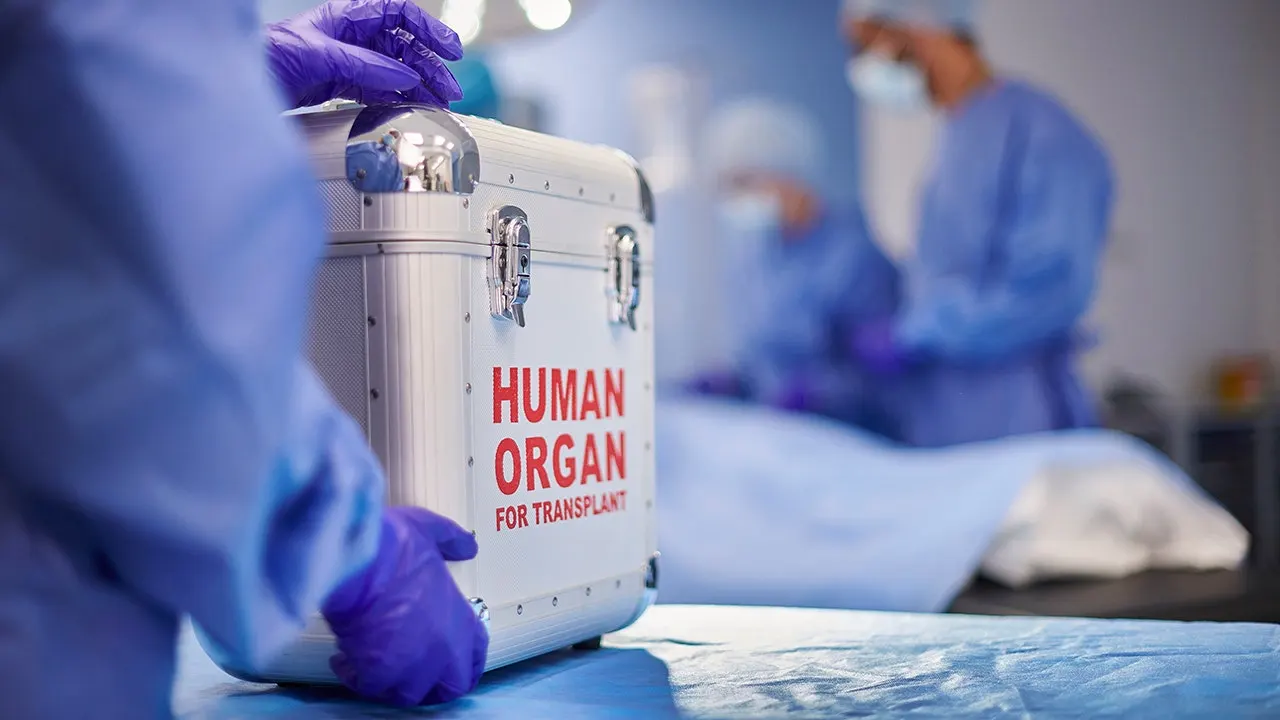
The federal move against Network for Hope has put a harsh spotlight on the organ donation system, with investigators flagging serious breakdowns in patient safety, consent, and medical judgment. At the center of the case are troubling claims that organ recovery was started while patients still showed signs of life, a scenario that raises immediate questions about how far standards slipped and who was supposed to stop it.
Health and Human Services has moved to decertify the nonprofit organ procurement organization that serves Kentucky and nearby states, after federal reviews found patterns that should never have been brushed aside. The concern is not just one bad call, but a string of cases that suggest the guardrails were not working when they mattered most.
According to the findings, the Centers for Medicare & Medicaid Services launched the action after reports of persistent safety failures. Some of those failures were especially alarming, including instances where the process of organ recovery was begun even though the patient still displayed active signs of life.
That detail alone is enough to make anyone stop cold, and it is why the case has drawn so much attention. When a system built on trust starts pushing forward despite obvious warning signs, the entire process comes under a cloud.
Dr. Marc Siegel described the issue as one of the darkest sides of organ harvesting, saying the department was exposing disturbing problems that had been hidden from public view. He also said the federal government was pulling the organization’s accreditation, a step that signals the situation is being treated as more than a routine compliance problem.
Network for Hope says it plans to challenge the decision and insists it has followed procurement and transportation network rules. That response sets up a direct clash between the organization’s defense and the federal review that says too many things went wrong for too long.
One of the most troubling cases mentioned in the reporting involves TJ Hoover, a prospective donor who was reportedly close to having his organs removed while he was still alive. Siegel said the process only stopped after a physician refused to move ahead, which makes the whole episode sound less like a close call and more like a failure narrowly caught in time.
The federal review covered 351 cases between 2021 and 2024 in which donation was authorized but never completed. Out of that group, 103 cases raised concerns, and 73 involved neurological signs that HHS said were incompatible with organ donation.
That kind of number does not read like an isolated mistake. It points to a system where too many red flags were apparently missed, ignored, or overridden when caution should have been the rule.
Investigators also cited weak neurological assessments, sloppy coordination with hospital teams, questionable consent practices, and problems with how causes of death were classified. Each issue on its own would be serious, but together they sketch a picture of a process that may have been moving too fast and checking too little.
Siegel said the findings suggested that roughly 30 percent of the procedures reviewed had something wrong with them. He also warned that if a bad organization is willing to cut ethical corners, those habits can travel wherever it operates, which is exactly why federal oversight matters so much in this field.
HHS Secretary Robert F. Kennedy Jr. has also made clear that the problem is not with organ donation itself. He supports donation when it is handled ethically and properly, and his personal family experience was cited as part of that stance, showing that criticism of unsafe practices does not mean turning against lifesaving transplants.
That distinction matters because organ donation depends on public confidence, and once confidence cracks, the damage spreads fast. People have to believe that every step is handled with care, that death is determined correctly, and that no one is being rushed through a process that should demand absolute precision.
For families, hospitals, and transplant teams, the allegations land hard because they touch the most sensitive point of all: the boundary between care and harm. And as the appeal process unfolds, the questions hanging over Network for Hope are not going away anytime soon.
