
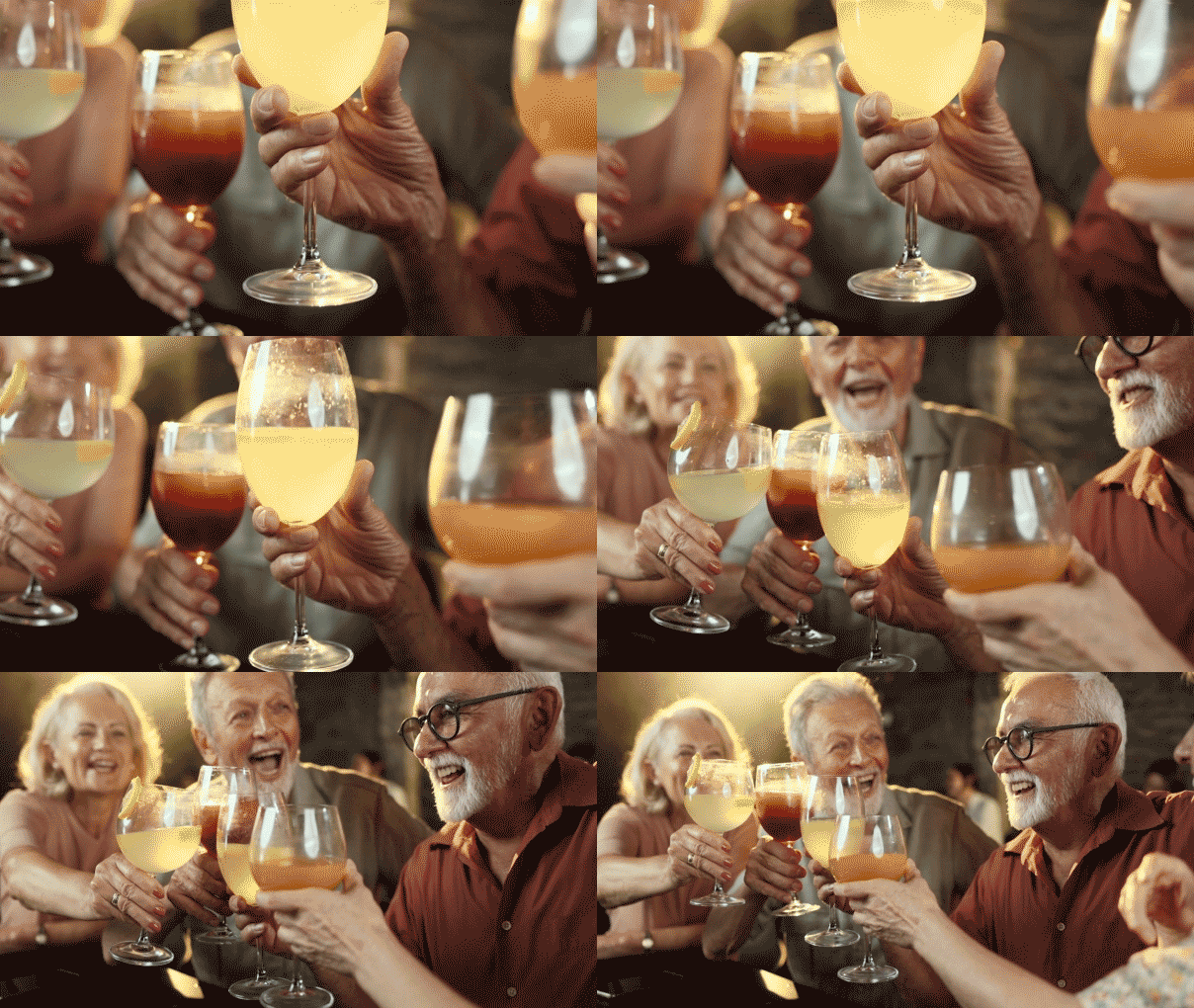
New research points to a split screen in American drinking habits. Overall alcohol use has eased a bit since the pandemic, but adults in their 50s and early 60s are moving in the opposite direction, with heavy drinking climbing fast enough to raise real concern for doctors and addiction specialists.
The pattern is not the same across generations. Younger adults, including Gen Z and millennials, are pulling back, while older Americans are more likely to keep drinking at levels that can quietly pile up health risks over time.
Researchers from USC and Keck Medicine looked at self-reported alcohol use from more than 114,000 U.S. adults in the National Health Interview Survey, covering 2018 through 2024. Their findings, published in Annals of Internal Medicine, show a modest drop in overall drinking across all ages from 2022 to 2024, but that decline still leaves alcohol use above pre-pandemic levels.
The sharpest jump showed up among adults ages 50 to 64. In that group, alcohol use rose nearly 4% from 2018 to 2024, while heavy drinking surged by more than 36%, a swing that stands out even in a country where drinking is woven into everything from dinners to celebrations.
Heavy drinking in the study meant five or more drinks a day, or 15 or more drinks a week, for men, and at least four drinks a day or eight a week for women. That definition matters because the line between routine drinking and risky drinking can look blurry until the health effects start showing up in sleep, mood, and liver function.
By contrast, Gen Z adults reported alcohol use that dropped by more than 5%, and millennials drank about 17% less from 2022 to 2024. Men also posted a slightly larger overall decline in alcohol use than women, though women saw the bigger drop in heavy drinking.
One researcher said the numbers for women deserve extra attention. “Women’s heavy drinking rose more than men’s during the pandemic and is still about 13% above where it was in 2018,” lead study author Brian P. Lee, M.D., associate professor of medicine at the Keck School of Medicine of USC, told Fox News Digital. “Women develop liver damage at lower levels of drinking than men, so that number carries more weight than it looks.”
Lee also noted that the study cannot explain exactly why drinking changed, only that the pattern is shifting. Because the data rely on self-reporting, the true amount people drink could be even higher than what they admitted on paper.
Clinical director of addiction services Dr. Chris Tuell said older adulthood brings a stack of stressors that can push drinking upward. People hit their 50s and 60s and start taking stock of life, while grief, loneliness, chronic pain, and major medical diagnoses can make alcohol feel like an easy off switch.
He pointed to the growing sense of disconnection many people feel, especially after the pandemic years. Retirement can add another twist by stripping away structure and routine, leaving some people with more empty time and fewer anchors than they had before.
The body also changes with age, and alcohol hits differently than it did years earlier. Older adults do not metabolize alcohol the same way, meaning a pattern that once felt manageable can suddenly start causing real problems with balance, sleep, and recovery.
Women face added vulnerability because of differences in body composition and water content, Tuell said. Lee added that alcohol risk starts low and rises with every extra drink, making the idea of a truly safe level of use much harder to defend than many people want to believe.
Warning signs are not always dramatic. Tuell suggests paying attention to the “three Cs,” which are control, compulsive behavior, and not being able to stop thinking about drinking, because those are often the first cracks in the wall.
Even without a full-blown addiction, alcohol can still be doing damage. It can chip away at relationships, interrupt hobbies, worsen mood, and wreck sleep, and that last part can be especially sneaky because people often blame fatigue on age instead of the drinks from the night before.
Tuell said alcohol disrupts normal sleep cycles, leaving the body with less real rest than it needs. Lee urged people over 50 who are drinking more than they did before 2020 to ask a doctor about liver health, even if nothing feels off yet, because some alcohol-related damage stays quiet until it is already well underway.
