
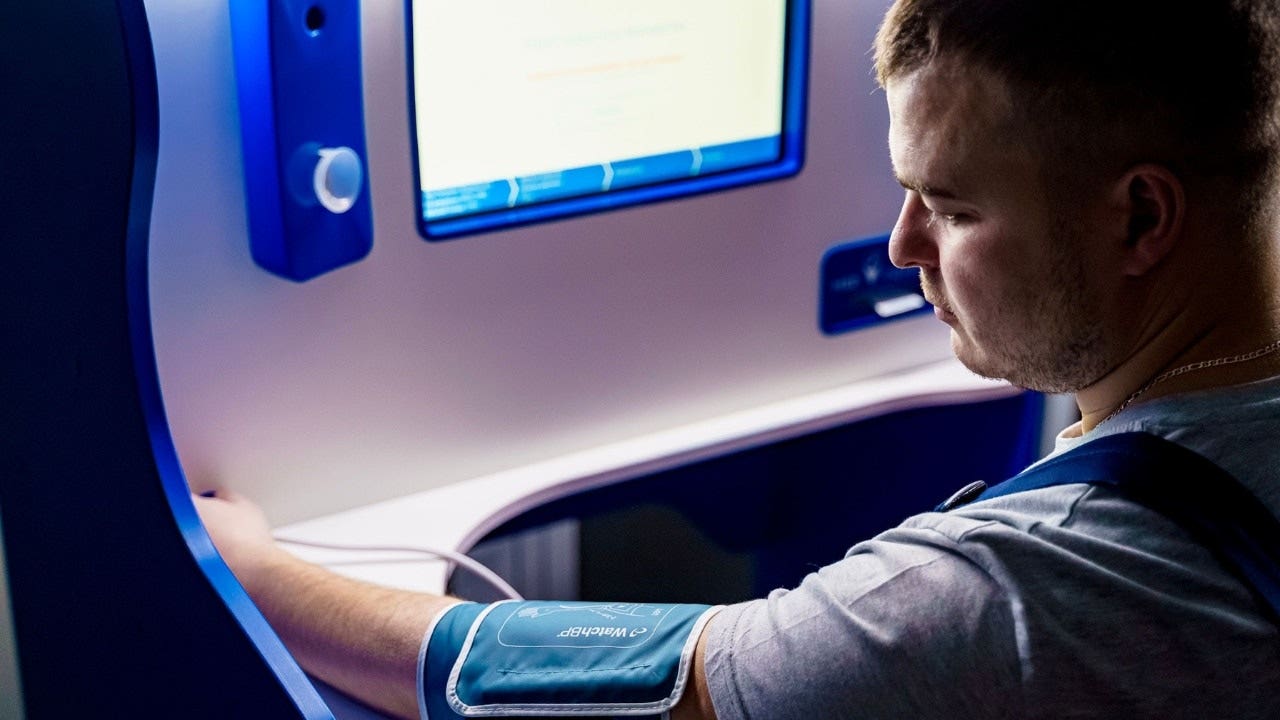
That little cuff on the arm can feel like a private health check, but the data it sends can travel farther than most people expect. Blood pressure readings, glucose numbers, weight logs and medication reminders often move through apps, cloud systems and third-party partners, where the protections may be weaker than many users assume. Once that information leaves the device, it can end up in places that have nothing to do with a doctor’s office.
Health apps are not automatically covered by the same rules that protect records inside a clinic. HIPAA usually applies to providers, health plans and their business associates, while consumer apps often sit outside that framework unless they are handling information on behalf of a covered entity. Even then, other laws and FTC rules can still apply, but the result is a patchwork that leaves plenty of room for confusion.
That gap matters because regulators have already taken action against several well-known services. FTC cases involving GoodRx, BetterHelp, Flo Health and Premom all pointed to sensitive information being shared with advertising or analytics companies. The pattern is uncomfortable: tools marketed around wellness can still feed data into systems built for marketing, targeting and profiling.
The concern does not stop with the app itself. Data brokers can assemble health-related profiles from app activity, online behavior, public records and purchased datasets, then resell those profiles to other companies. Researchers have shown that brokers may be willing to sell information tied to mental health, pregnancy, diabetes and other conditions, with price tags that range from a few hundred dollars to hefty annual licensing fees.
That kind of profiling opens the door for scammers to get more precise, and that is where things get nasty. A list tied to diabetes or high blood pressure can help a caller sound credible when pushing fake Medicare benefits, bogus free supplies or shady supplement offers. The pitch works because it mixes a real detail with a fake promise, which is exactly why it can slip past a busy, trusting person.
Even if no one ever handed over data directly to a broker, a profile can still grow in the background. A blood pressure app, smart scale, glucose monitor and medication tracker can each add another piece, especially if settings allow sharing with partners or outside services. Once that information gets blended with other records, it can be hard to trace where it started or who has it now.
Not every service treats data the same way, and privacy practices can vary a lot. Some companies say they limit how health information is used, while others restrict advertising-related use only in specific contexts or under certain legal conditions. That is why privacy notices and account settings matter more than most people realize, even if they are boring to read.
Connected health gear also has some built-in safeguards, but they are not magic shields. Apple Health uses encryption and keeps app access under user control, while Fitbit and other platforms have had to make promises about separating health data from ad systems. Those protections help, but they still depend on the user checking what is enabled and what outside apps have been granted access.
The smartest move is to tighten the settings before the damage spreads. Phone-level ad tracking controls, app-by-app sharing menus and privacy opt-outs can reduce what gets collected going forward. They will not erase everything already out there, though, and that is the part many people miss until their information starts popping up in search results and broker databases.
Once a health profile has been circulated, removing it can take real effort. Broker sites often have separate opt-out steps, different rules and inconsistent cleanup timelines, which means the same information can reappear later. The landscape is messy, and that is exactly why health data has become such an easy target for marketers, data middlemen and scammers looking for a more convincing angle.
