
Campus antisemitism is not just a campus problem, and it is not something that can be brushed off as a passing burst of student activism. It reaches into the classroom, shapes what gets tolerated, and sends a loud message about whether Jewish students are safe, respected, and heard. The fight against it runs through universities, federal oversight, and the alumni who refuse to watch from a distance.
Recent legal setbacks have shown the limits of relying on government action alone. Even when federal investigators step in, the deeper issue often stays put because the culture inside the school has already been poisoned. That culture does not appear overnight, and it does not survive by accident.
The real damage starts with the people who control the academic environment. When instructors, administrators, and departments normalize hostility toward Jewish and Israeli students, the classroom stops being a place for honest learning and starts becoming a pressure chamber. Once that happens, intimidation can look ordinary, and exclusion can be dressed up as principle.
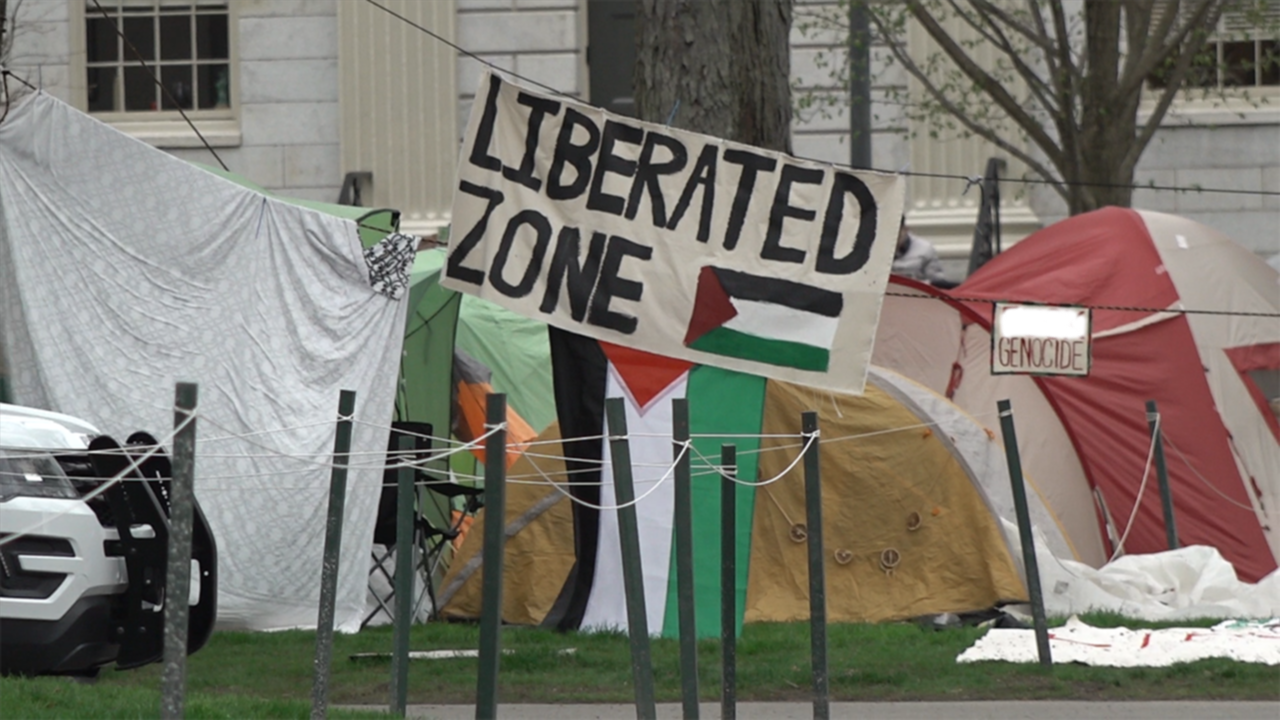
That is why the public attention on a handful of protest encampments only tells part of the story. The tents may draw headlines, but the more lasting problem is the mindset that excuses aggression if it is wrapped in fashionable language. When students are told to keep quiet, leave, or prove their loyalty before they can participate, something far more serious than bad manners is going on.
Faculty members have also been pulled into the center of this mess. A large group of professors at Harvard recently documented a pattern of incidents that included an Israeli student being told to leave a classroom because her nationality supposedly made others uncomfortable. Incidents like that are not harmless slips, and they are not a sign of healthy debate. They are a warning that academic authority can be abused to isolate and shame students who already feel under siege.
Similar stories keep surfacing at major universities across the country. Jewish students have reported being pressured to renounce Zionism, mocked when they refuse, and pushed to the edge of campus life by peers and instructors alike. That kind of treatment thrives when leaders shrug, stall, or hide behind bureaucratic language instead of drawing a hard line.
The ideological problem runs deeper than protest slogans. Course descriptions, reading lists, and classroom framing can quietly launder extreme politics into academic respectability. When the language of scholarship starts treating Israel as uniquely illegitimate or Hamas as noble resistance, the lesson being taught is not balance. It is bias with a clean collar and a university letterhead.
Foreign money only makes the picture uglier. Wealthy outside actors have found ways to influence American higher education, and administrators have often welcomed the cash without asking enough questions. That raises obvious concerns about integrity, independence, and whether universities are still serving students or catering to donors with their own agenda.
What makes this especially maddening is how often administrators hide behind the phrase “free expression.” Free speech does matter, but it does not give anyone a pass to harass classmates, destroy the learning environment, or create a hostile atmosphere for Jewish students. There is a difference between debate and degradation, and too many schools have been pretending not to see it.
Alumni matter because they are one of the few groups with standing, memory, and leverage. They know how the institution used to function, they know who built its reputation, and they know when the school has drifted into something craven. That makes them powerful allies for current students who are dealing with this mess in real time.
Graduates can pressure trustees, call out bad faculty behavior, support Jewish student groups, and refuse to let universities treat this as a communications problem. They can also help restore something that has been badly frayed, which is the idea that higher education should reward truth, not ideological bullying. When alumni stay engaged, the institution feels less free to hide behind empty statements and more accountable to the people who once trusted it.
Federal action still has a place, especially when universities drag their feet or look the other way. But law enforcement cannot babysit every classroom, and it cannot rebuild a broken culture by itself. Real change will take stubborn pressure from inside and outside the university, with alumni refusing to disappear just because the diploma is already on the wall.
