
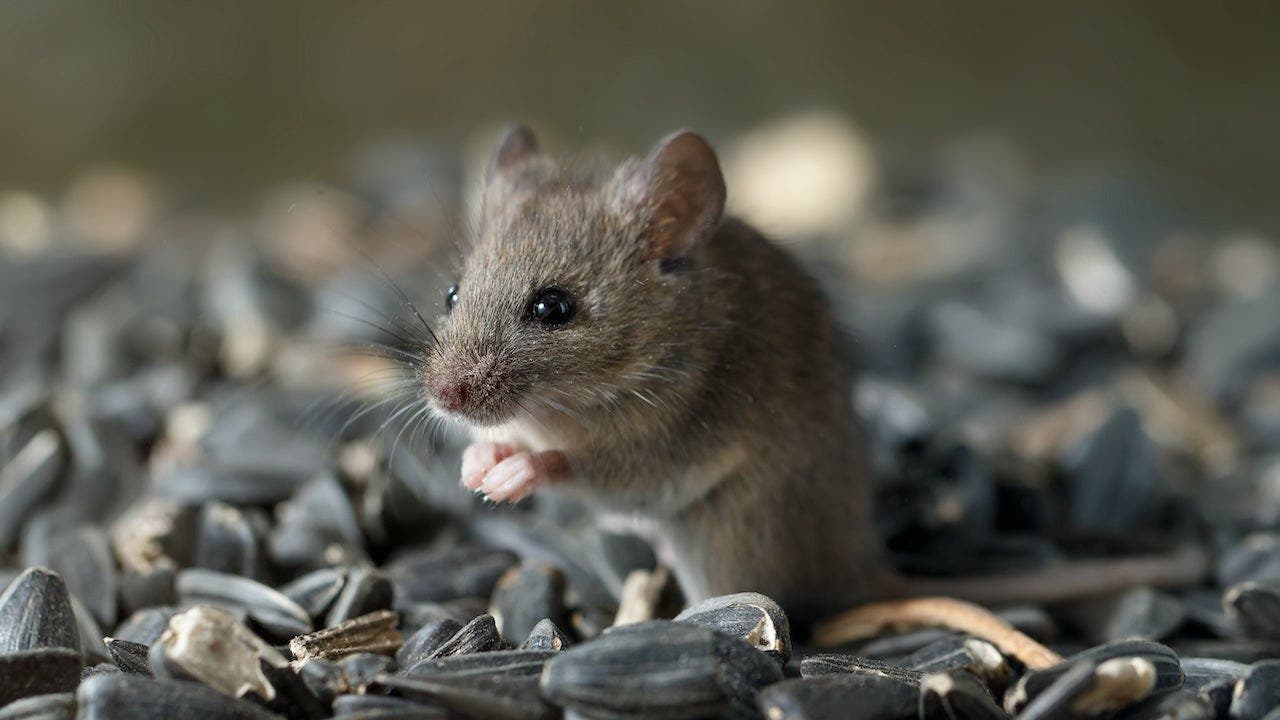
Researchers working in the Palouse region of the Pacific Northwest report higher-than-expected rates of Sin Nombre hantavirus in local rodents, raising fresh concerns for nearby farming communities and pointing to gaps in regional surveillance and seasonal data.
Teams from Washington State University’s veterinary college sampled small mammals across farms and forest plots to get a clearer picture of local infection levels. The study focused on deer mice, voles and chipmunks, species that live close to people in agricultural areas. Results showed a mix of prior exposure and active infection that surprised the investigators.
In the field season, researchers captured and tested 189 animals at eight farms and two forest sites across the Palouse, a landscape that spans eastern Washington and north-central Idaho. Nearly 30% of the animals carried antibodies indicating prior exposure, while roughly 10% had active infections when sampled. Positive animals came from both cultivated and wild settings, suggesting the virus circulates across habitats.
Deer mice remain the primary species linked to hantavirus pulmonary syndrome in the United States, yet infections appeared across multiple rodent species in this survey. That pattern hints that Sin Nombre virus might be more widespread in the region than earlier records indicated. The presence of infected animals on farms raises obvious questions about human exposure during routine agricultural work and storage activities.
The study was published in 2026 in Emerging Infectious Diseases, the peer-reviewed journal run by the Centers for Disease Control and Prevention. Lead researchers highlighted the scarcity of previous data for the Northwest and called for more systematic monitoring. “We were surprised both by how common the virus was locally and by how little data existed for the Northwest,” said Stephanie Seifert, the study’s corresponding author and principal investigator in the Molecular Ecology of Zoonotic and Animal Pathogens lab.
“We’re really just beginning to understand how widespread and complex this virus is in rodent populations here.”
Sin Nombre is typically transmitted to people when virus particles in rodent urine, droppings or saliva become aerosolized and are inhaled during cleaning or other activities that stir up contaminated dust. It is not known for person-to-person spread, unlike the Andes virus, which has been linked to rare human-to-human transmission in other settings. Public health advice still focuses on preventing rodent contact and reducing dusty indoor conditions where viral particles could linger.
National surveillance since 1993 shows hantavirus infections remain uncommon overall, with a historical total of 864 cases reported through 2022. “Most cases have occurred in Colorado, New Mexico and Arizona, and 94% have been reported in states west of the Mississippi River,” said Dr. Sonja Bartolome, a pulmonary and critical care specialist who commented on the findings. She emphasized the importance of using genetic sequencing and regional comparisons to track how the virus moves over time and between hosts.
“It is important to conduct research that expands our understanding of how the virus spreads,” she went on. “Studies like this – which obtain and compare viral genetic sequences across regions and animals – help clarify how the virus moves geographically and between species.”
The authors acknowledge limits to their conclusions: the work measured infection only in rodents, was confined to the Palouse, and represents a single season of sampling. Those constraints mean the results cannot be generalized across the entire Pacific Northwest or through other times of year. Still, the pattern argues for expanded surveillance, especially in agricultural communities where people routinely encounter rodent habitats.
Recommendations from the team include enhanced monitoring across seasons and broader geographic coverage, plus practical steps to limit rodent access to homes, barns and stored crops. “People may be exposed more often than we realize, but severe cases are more likely to be tested for hantavirus,” said Pilar Fernandez, a co-author and disease ecologist in the Allen School whose work looks at zoonotic disease dynamics. “Understanding that gap — how exposure translates into disease — is the next big step.”
