
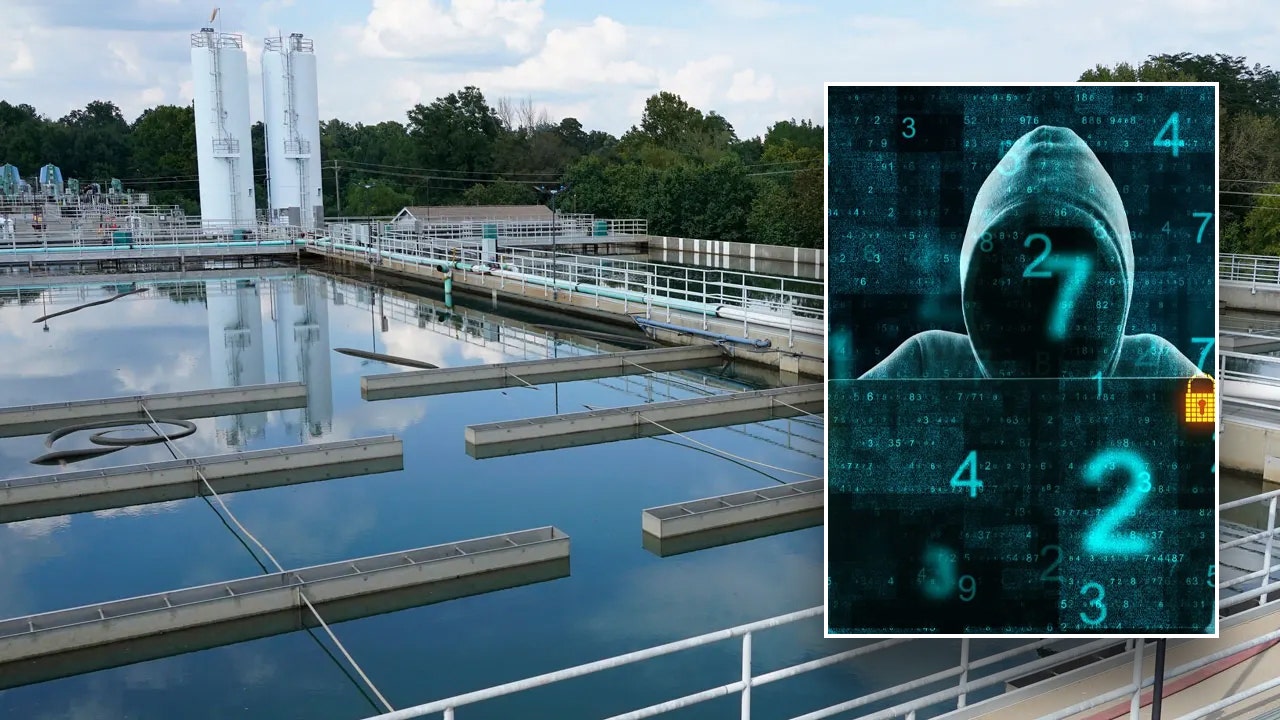
America’s water systems are quietly becoming one of the easiest ways for hostile actors to cause real damage. Iran, China, and Russia are all sniffing around the same weak spots, and many utilities are still running on old control systems that were never built for today’s threat landscape. That mix is dangerous, because when water gets hit, the fallout does not stay in a server room. It lands in homes, schools, hospitals, and whole communities.
Cyberattacks on critical infrastructure usually bring pipelines, power grids, or financial systems to mind first. Water should be right at the top of that list too, because it is tied to public safety in a very direct way. When a drinking water or wastewater network is disrupted, the result can be chaos, lost trust, and a fast-moving public health problem.
The risk is not theoretical anymore. In Muleshoe, Texas, attackers infiltrated a local system and triggered a release of thousands of gallons of water into city streets after tampering with industrial controls. That kind of incident sends a loud message: small towns are not invisible, and adversaries know exactly where to poke to test America’s defenses.
Recent incidents have also put larger utilities under the microscope. A hacking group linked to Iran claimed responsibility for breaching systems tied to California Water Service, one of the country’s major water providers, even though investigators did not find evidence that treatment or distribution networks were compromised. Even without a full-blown shutdown, the message was clear enough to make utility leaders sweat: the pressure is real and the targets are already in play.
Federal warnings keep pointing in the same direction. Intelligence and security officials have been sounding alarms about probing from hostile governments, with utilities across several states showing signs of cyber intrusions. The big concern is not just one attack, but the steady campaign of reconnaissance that can uncover weak links long before a strike ever goes live.
Water systems make attractive targets for a few ugly reasons. There are more than 50,000 community water systems in the United States, and many of them are small, underfunded, and short on technical staff. Plenty still rely on industrial control systems that were installed long before cybersecurity became a daily concern, which means hackers are often dealing with equipment that was never designed to fight them off.
That old setup is made even shakier by dependence on outside vendors, remote monitoring tools, and interconnected software. What used to be a more isolated environment now has more digital doors and windows than ever before. The old idea that air-gapping alone can keep systems safe sounds comforting, but it does not match how modern utilities actually operate.
This is why the answer cannot be reduced to more paperwork or a thicker stack of compliance rules. Better protection will come from sharper technology, stronger engineering, and a serious push to stay ahead of adversaries instead of simply reacting after the damage is done. The country does not need a lecture on what went wrong after a crisis hits; it needs tools that can stop the crisis in the first place.
That is where research and innovation matter. Artificial intelligence can help spot suspicious activity before an operator notices something is off, while anomaly detection can separate normal system noise from a real intrusion. Cyber-informed engineering and secure-by-design systems can also make critical infrastructure harder to break and easier to keep running when a network is under stress.
These tools are not some far-off science project. They are practical defenses that can help utilities identify threats sooner, respond faster, and recover with less disruption when trouble shows up. For communities that depend on reliable water every single day, that kind of resilience is not a luxury, it is the baseline.
The bigger point is hard to miss. America’s adversaries are probing water systems because they know how much damage they could do by knocking something so basic off balance. Safe drinking water should never depend on whether a small utility can stand toe to toe with a foreign intelligence service, and the push to harden these systems is only getting more urgent.
