
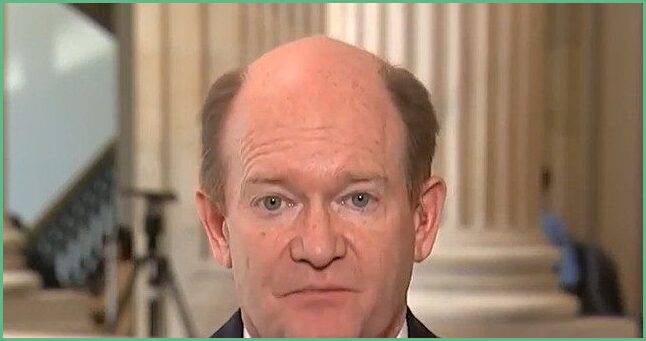
Coons Ties Shutdown to Reversing ACA Cuts, GOP Pushback
On Tuesday’s broadcast of MSNBC’s “Chris Jansing Reports,” Sen. Chris Coons (D-DE) stated that ending the government shutdown requires a vote to move forward on reversing “cuts to the Affordable Care Act that make it unaffordable, that are, right now,” and he insisted colleagues act immediately. He framed that reversal as the key to reopening government and restoring coverage talks to the center of the debate. The demand set off immediate Republican objections.
Republicans call this a classic hostage move: attach a major health-policy change to a must-pass funding bill and force capitulation. From the GOP perspective, essential services and federal employees are not bargaining chips. Conservatives want the government reopened first and policy negotiated in normal order.
Republicans also argue the Affordable Care Act’s woes run deeper than temporary funding gaps. Rising premiums, narrow networks, and mandates push costs onto consumers and insurers, creating market pullback that money alone won’t cure. Restoring appropriations might ease a short-term squeeze but it won’t cure structural incentives that make care costly.
The conservative critique highlights subsidies and regulatory burdens as the real culprits, not merely funding levels. Past back-and-forth over program payments shows that shifting dollars can be a bandage, not a repair. GOP lawmakers prefer changes that encourage competition and patient choice rather than repeated bailouts.
On policy, Republicans propose expanding Health Savings Accounts, letting plans cross state lines, and cutting red tape that keeps new insurers out. Those moves aim to lower costs by increasing options, not by enlarging the federal safety net. The party argues that empowering consumers is a clearer path to affordability than reversing the cuts Coons demands.
Procedurally, GOP leaders want codified votes on specific fixes so voters can see where lawmakers stand. If Democrats insist on the reversal Coons outlined, Republicans will push amendments reflecting conservative solutions and force roll call decisions. This is about transparency and accountability, not sneaky package deals in the dark of a funding fight.
There is also a human cost to the shutdown that Republicans say should not be ignored. Veterans, taxpayers, and federal workers feel the squeeze when appropriations lapse, and conservatives insist those harms be ended immediately. Letting citizens suffer while policy fights rage in Washington is exactly what critics say is unacceptable.
Politically, tying the shutdown to the Affordable Care Act puts Democrats on the record defending a law many voters find flawed. That gives Republicans an opening to make a clear alternative argument centered on market reforms and fiscal responsibility. Expect floor fights where those contrasts become sharp and public.
Lawmakers face a choice: reopen government without strings and then pursue durable health reforms, or keep locking essential operations to force a policy outcome. Republicans say the responsible course is clear: restore funding now, then debate systemic fixes on their merits with open votes and honest trade-offs. The coming days will show whether Congress can stop hostage politics and get back to governing.
Constituents should keep score and hold their members accountable at the ballot box. This showdown will test whether lawmakers choose governance over political stunts.
