
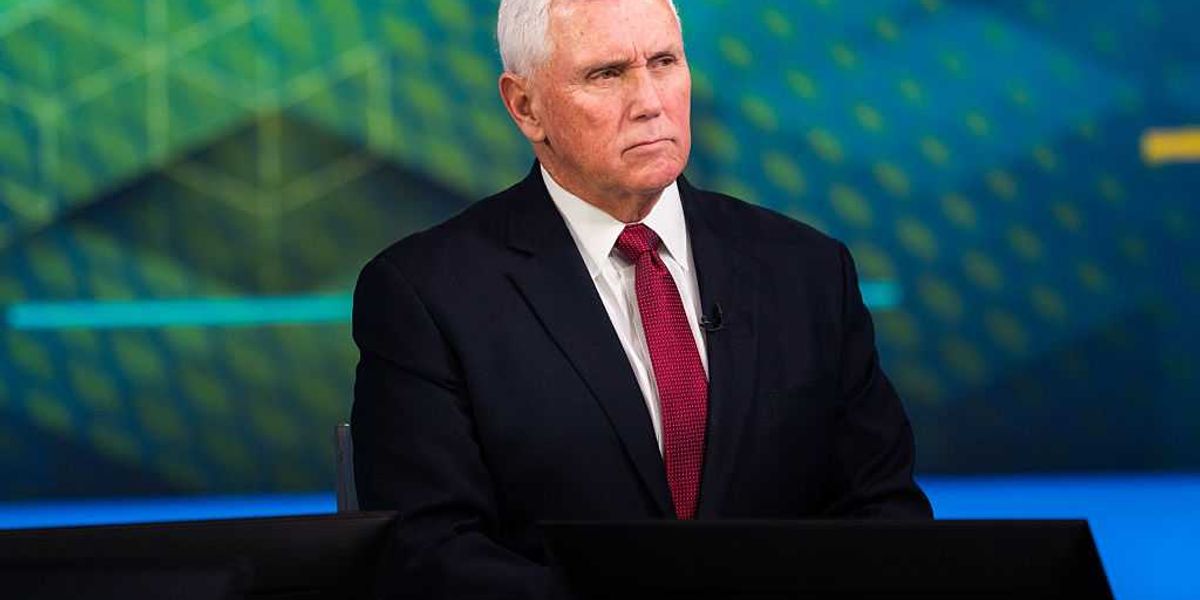
• Young men are drifting away from polished old-guard conservatism
• Mike Pence’s brand of politics feels stale to a new generation
• Foreign policy fights still sharpen the divide
• Cultural tone matters as much as policy language
• Boomers and Gen X see politics differently than younger men
• Christianity and conservatism no longer map as neatly as they once did
Mike Pence-style conservatism has run into a problem that polite talking points cannot fix: younger men are not buying it. The old formula of careful wording, soft edges, and endless respectability now looks less like strength and more like a costume from another era. What once passed for steady leadership can feel, to a lot of younger voters, like a speech delivered after the room has already moved on.
This is not just about one politician’s personality. It is about a style of politics that prizes approval from institutions that many younger men no longer trust. They have watched media panics, elite lectures, and endless moral scolding, and they are not eager to sign up for a version of conservatism that still sounds like it is apologizing for itself.
Foreign policy is one of the biggest fault lines in the split. For younger men, especially those paying attention to wars and spending, the instinct is often simple: stop laundering every overseas conflict through the language of virtue and “leadership.” When a politician leans hard into establishment consensus on issues like Ukraine, it can sound less like principle and more like obedience to a club they never joined.
That is where the tone deafness really shows. A lot of younger men are not demanding isolation for the sake of it, but they do want honesty about costs, risk, and priorities. They are tired of being told that real seriousness means nodding along with the same think tank language that has delivered endless wars, bloated budgets, and very little accountability.
The cultural side matters just as much. Pence conservatism often projects a clean, controlled, highly disciplined image, but that can read as sterile to men who want conviction with some grit behind it. They are not looking for a sermon in business casual. They want someone who sounds like he understands pressure, competition, and the messiness of actual life.
There is also a generational tension hiding in plain sight. Boomers and a good chunk of Gen X often respond well to the idea that conservatism should look respectable to polite society, even if that means sanding down the edges. Younger men have grown up watching institutions fail, and they are far more likely to value authenticity over approval.
That helps explain why the old “be nice, be careful, be agreeable” strategy can fall flat. Younger men have seen enough to know that being liked by the right people is not the same thing as winning. They want leaders who look willing to fight, not just manage the optics of the fight.
Religion adds another wrinkle. Pence’s politics have often been wrapped in Christian language, but younger men do not automatically connect faith with the same political script their fathers did. Many still value Christian belief, yet they are less interested in turning it into a voter checklist that ends with another round of establishment caution and foreign policy sermons.
That disconnect is why the argument keeps getting sharper. The issue is not whether younger men have abandoned principles. It is that they are sorting principles from branding, and they can smell the difference fast. When conservatism starts to feel like a museum piece, the crowd that was supposed to inherit it begins looking elsewhere for something harder, sharper, and more real.
