
The GOP’s top task right now is clear: fund a massive, sustained defense buildup that fills the munitions and interceptor gaps exposed by the battle with Iran, commits out-year money so a future Democratic Congress can’t starve our forces, and moves with the urgency this moment demands.
The glaring shortfall is not ideology, it’s hardware. We don’t have enough interceptors or munitions to defend ourselves and our partners in the era of missiles and drones, and a half-hearted “crash program” won’t cut it. Republicans should insist on a bold, long-term plan that builds stockpiles for the United States and for allies who rely on us. Israel, Gulf partners and Taiwan need reliable deliveries, and those relationships will come with shared financing and industrial cooperation.
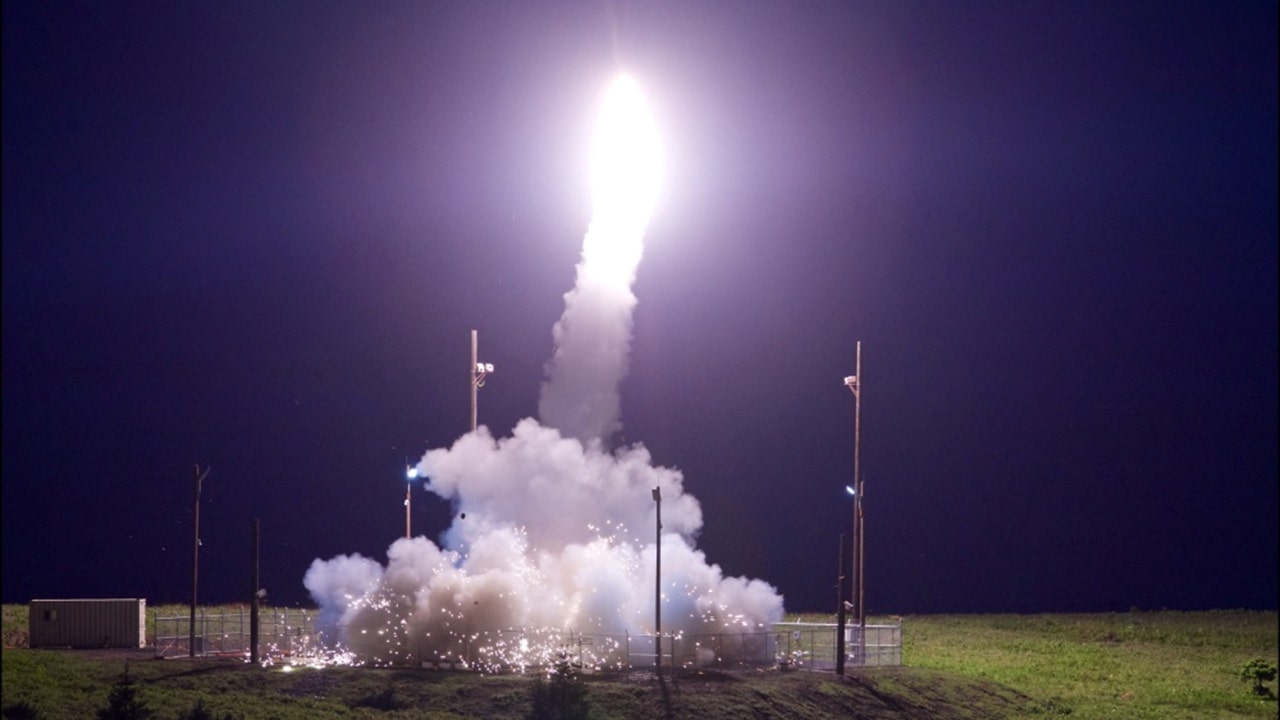
US DRAINS CRITICAL MISSILE STOCKPILES IN IRAN WAR AS YEARSLONG REBUILD LOOMS This is not clickbait, it is reality testing policy. The damage to stockpiles and production lines demands both immediate surges and firm commitments over multiple years to rebuild capacity and deter future aggression. Our spending posture right now must reflect a new normal where fights of this kind are possible again.
“Our procurement system is not designed for serious war fighting,” Dr. Eliot A. Cohen told Aaron MacLean on the latter’s recent edition of the “School of War podcast. “You can see in this conflict the consequences of having had effortless superiority for a long time,” Cohen added. Those words cut to the core: the acquisition process that worked in peacetime superiority is not suited to fast, high-volume war. Fixing procurement is as urgent as buying missiles; speed, modularity and industrial mobilization matter.
Air superiority as we’ve known it is under pressure from cheap, lethal technology. Missiles and unmanned systems change the math of conflict and expose logistics and stockpile vulnerabilities we ignored for decades. We struck hard at Iran’s capabilities and damaged much of its defense industrial base, but that did not eliminate the threat to shipping lanes, bases or regional infrastructure. The next phase of conflict could demand enormous quantities of interceptors in short order.
Surging defensive capabilities to the Gulf and Israel while shoring up our own forces to keep the Strait open is expensive but nonnegotiable. The West’s defense industries, including partners in Israel and Ukraine, are innovating fast, but Congress must send a clear demand signal. That means doubling down on appropriations and locking in out-year funding so a future majority cannot gut the effort after the cameras leave.
Legislative speed matters. We have precedent for moving quickly when the nation faces a crisis, and Republicans should use that playbook now. Leader Thune should marshal trusted senators to design Reconciliation 3.0 with the same urgency Senate leaders showed during past emergencies, and Speaker Johnson’s House should line up to act in weeks, not the usual slog of regular order. If GOP majorities fail to move with pace, they forfeit the one thing voters expect them to do: provide for the common defense.
We must also expect negotiations with Iran to stall or collapse, just as diplomatic pauses in the past have given way to renewed strikes — think Richard Nixon’s Christmas Bombings after Henry Kissinger’s declaration that “peace was at hand” in October of that year. Planning for renewed combat is not paranoia, it is prudence. Commitments now will buy time, deterrence and the industrial capacity to outproduce an adversary when it counts.
Congressional Republicans should treat this as an all-hands, full-throttle moment: fund interceptors, shore up production lines, fix procurement, and lock in multi-year spending. Do it fast, fund it big, and keep the defense industrial base humming. History won’t wait for “regular order,” and neither should we.
