
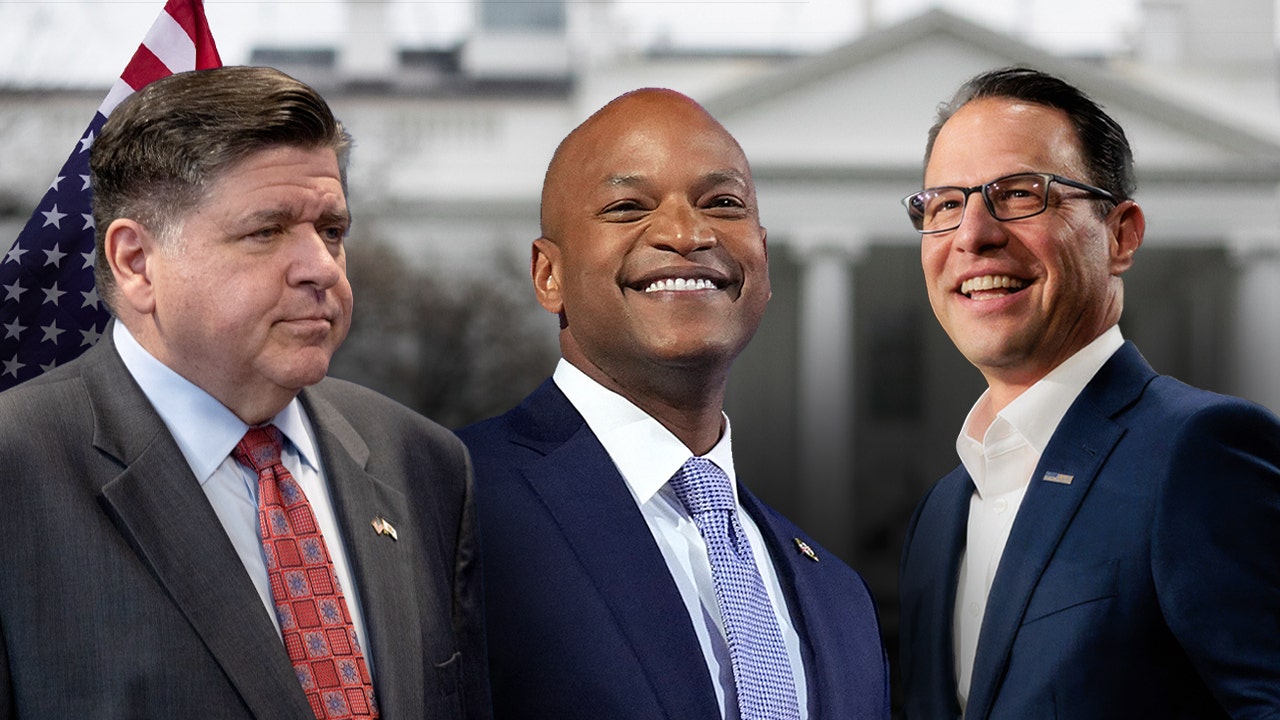
Blue-state momentum could reshape more than Washington this fall, and the quieter fight in governor races may end up hitting families where it matters most. With control of several statehouses hanging in the balance, the outcome could influence taxes, schools, safety, and the rules people live under every day. Republicans are trying to hold back a broader wave that could wash over both Congress and the states.
Polls point to a rough night for Republicans on Capitol Hill, but the governor map may be just as dangerous. Democrats need only a small gain to take the majority of governorships, and that would give them enormous leverage over the country’s direction. The stakes are not abstract, because governors can move fast and govern close to home.
That is what makes these races so important. Congress can stall for months, but a governor can sign laws, steer budgets, and set the tone for the state almost immediately. From education policy to public safety to infrastructure spending, state leaders have more daily impact than most people realize.
Republicans currently hold a narrow edge, 26 governorships to 24 for Democrats. That balance has lasted for years, but several recent wins have given Democrats fresh confidence and put the GOP on defense in places that should be safer. Once momentum shifts in state politics, it can snowball fast.
Virginia and New Jersey gave Democrats reason to smile last fall, and those wins helped open the door to a wider push. In Virginia, new leadership has already moved to restore diversity programs, push higher wage mandates, and sidestep a bipartisan redistricting system before the courts shut it down. For businesses and taxpayers, that kind of turn can change the climate in a hurry.
The map itself is brutal for Republicans. Thirty-six states will elect governors, and both parties are defending 18 seats. Of the states not voting this cycle, Democrats already hold six while Republicans hold eight, which means the path to a Democratic majority is not as steep as it might look.
Some races are already leaning one way. Several states look solidly Democratic, including big names with national ambitions attached to them. That matters because governors are no longer just local managers. They are often building platforms for the next leap.
A few other states sit in the battleground column, and that is where the real headache begins for Republicans. Alaska, Georgia, Nevada, Ohio, and Wisconsin are all up for grabs, and most of those are currently in Republican hands. If just enough of those races slip away, Democrats can take control with very little margin for error.
Iowa is one of the places drawing extra attention. The state has not elected a Democratic governor in a long time, but the race is tighter than Republicans would like, and that alone says a lot about the political mood. Kansas is the likeliest pickup spot for the GOP, but even that depends on Democrats stumbling badly.
These contests are not just about party labels or national bragging rights. They decide how aggressively states push back on Washington, how schools are run, and how much room families and businesses have to breathe. Governors can either act as a check on federal overreach or become cheerleaders for it, and that difference is huge.
That role is especially important now, with left-wing activists and socialist voices gaining more attention in national politics. The next wave of presidential talk is already forming, and governors will be part of that fight whether they want the spotlight or not. Statehouses can end up serving as the last serious barrier before federal power reaches deeper into everyday life.
For voters, the governor line on the ballot deserves more attention than it usually gets. The next four years in dozens of states may hinge on it, and the effect will be felt in paychecks, classrooms, roads, and public safety long before the next presidential race starts heating up.
