
A Portland LGBTQ restaurant owner is standing by a protest that turned messy after claims of white supremacy set off a heated public reaction. The episode has put Pride politics, accusations of racism, and property damage into one blunt and very public clash.
The backlash started after protesters gathered over what they saw as a serious symbolic insult. What followed was not just a demonstration, but a scene that ended with vandalism and a louder argument over whether the outrage was justified or badly misdirected.
The owner is still backing the protest, even after the damage. That position has drawn attention because it suggests the anger behind the event has not faded, and for some, it raises the bigger question of whether the message got swallowed by the chaos.
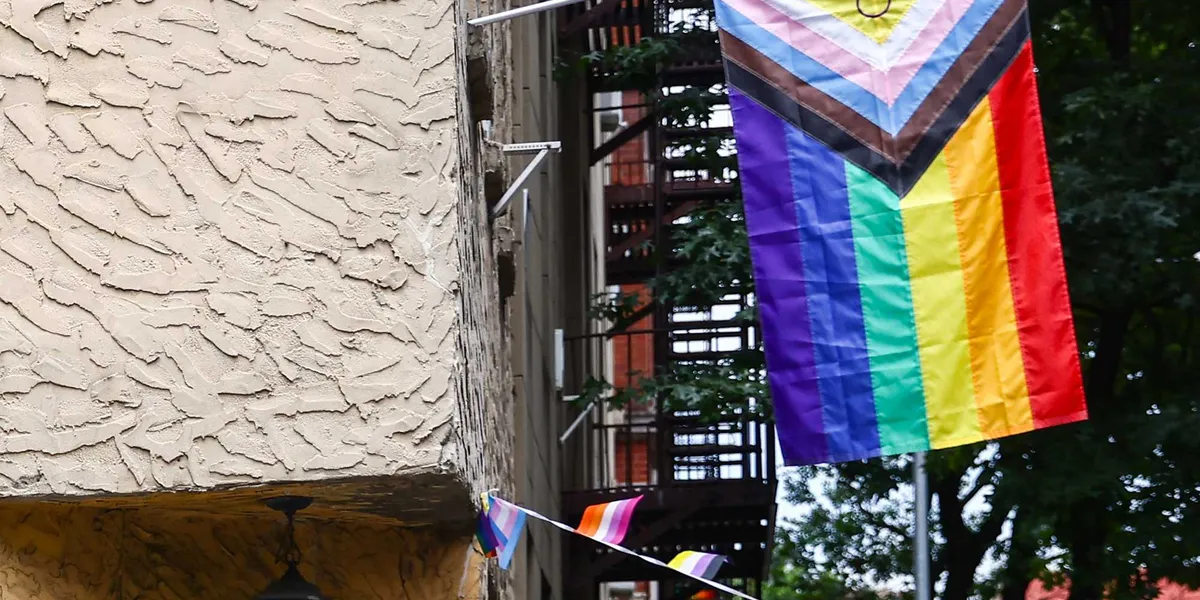
In places like Portland, these fights rarely stay small. A Pride flag, a claim of white supremacy, and a damaged business can quickly become a full-blown culture clash, with each side convinced it is defending something essential.
Supporters of the protest see it as a response to a real threat. They argue that public spaces, especially those tied to LGBTQ identity, are being pushed into the middle of a broader fight over race, inclusion, and who gets to feel safe in their own neighborhood.
Critics see something else entirely. From their view, once vandalism enters the picture, the moral high ground gets shaky fast, and the protest stops looking like a stand for justice and starts looking like a breakdown in judgment.
That tension is part of why the story has stuck. It is not just about one restaurant or one march, but about how quickly political anger can spill into damage that lands on regular people trying to keep a business open and a community space running.
There is also the question of what white supremacy claims actually mean in fast-moving street politics. Those accusations carry weight, but when they are thrown into a heated protest environment, the line between genuine concern and emotional escalation can get blurred in a hurry.
For LGBTQ businesses, the stakes are especially high. They often serve as social anchors, and when they become protest targets, even indirectly, the sense of safety they are supposed to offer can crack in a very visible way.
That is part of why the owner’s continued support matters. It signals that, despite the vandalism, the core grievance has not been abandoned, and that the protest is still being framed as part of a larger fight rather than a regrettable outburst.
At the same time, the fallout is a reminder that symbolism can cut both ways. A Pride flag can represent belonging to one crowd, a provocation to another, and a flashpoint to everyone else once tempers rise and the situation stops being theoretical.
These are the kinds of stories that expose how raw local politics can get when identity, race, and public protest collide. The damage leaves a mark, but so does the stubborn belief on each side that backing down would mean surrendering something bigger than a storefront or a street corner.
