
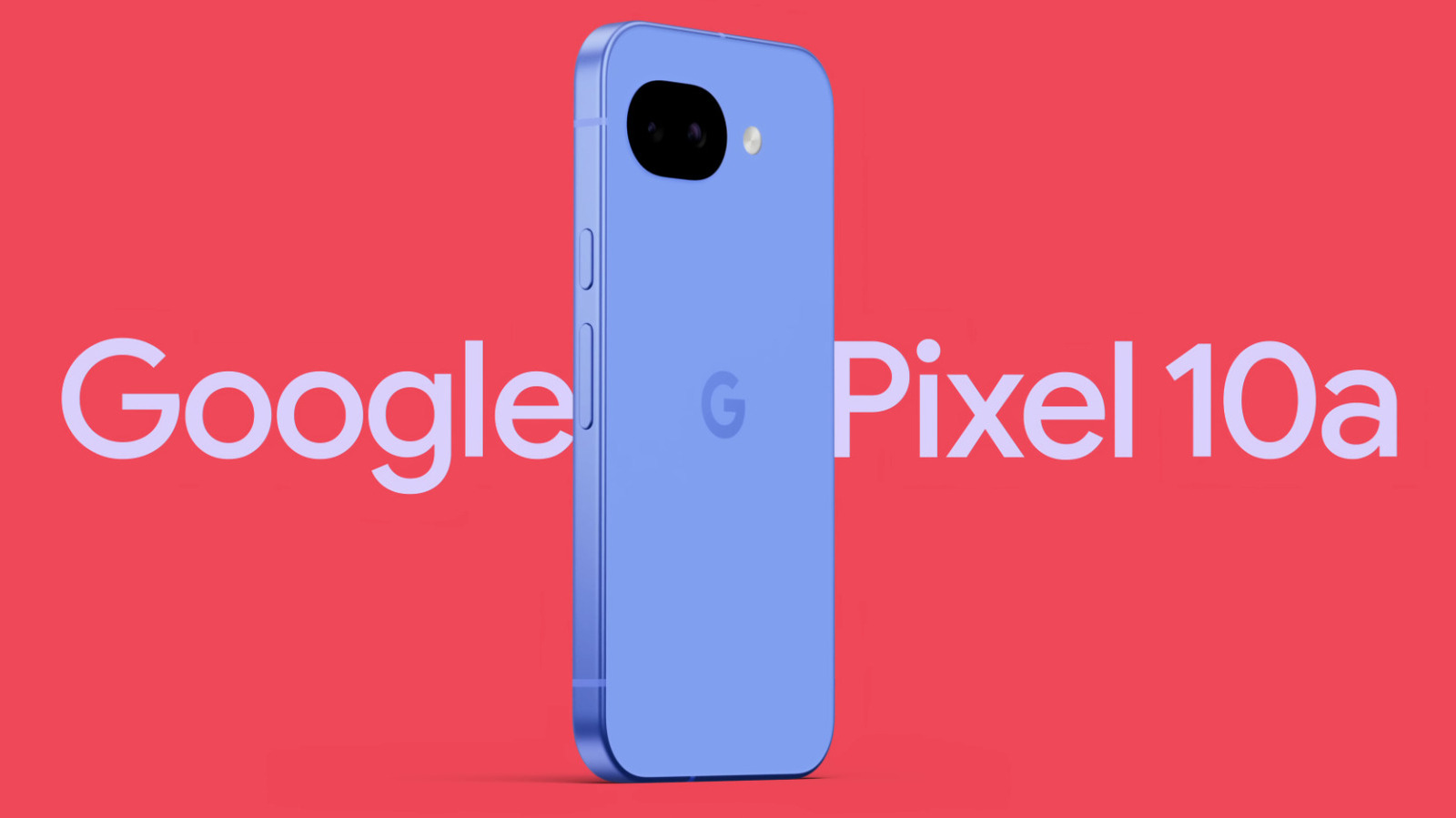
Google’s Pixel a-series strips the fancy extras and keeps what matters: solid cameras, clean software, and a price tag that makes sense. This piece breaks down how Google trims costs across hardware, components, and margins to deliver a phone that feels like a bargain without feeling cheap.
The a-series exists to hit a middle ground: give people the signature Pixel experience without the flagship price. That means keeping core strengths—computational photography and timely Android updates—while being honest about what you won’t get. Google sells the essentials and lets go of the rest.
Material choices are one of the quickest places to cut costs. Plastics and matte polycarbonate backs replace glass and metal, and simpler frame designs reduce machining steps. Those decisions shave manufacturing time and expense while still allowing for attractive finishes and reliable durability.
Chipsets on the a-series are deliberately midrange rather than bleeding-edge. Google picks efficient, proven processors that match daily needs without the premium markup of the latest flagship silicon. The payoff is a phone that handles apps and photos well while avoiding the expensive race for top benchmark scores.
Displays on a-series phones strike a balance: nice OLED panels in many models but with lower peak brightness or a 90Hz refresh cap instead of 120Hz. That cuts panel cost and power draw, which helps battery life and keeps the BOM under control. Users still get crisp visuals and solid color, just not headline-grabbing specs.
>Batteries are tuned for a real-world day of use rather than extreme endurance contests. Google sizes cells to match the efficient software and midrange chip, and charging speeds are modest compared with flagships. That trade-off lowers cost and reduces thermal complexity without undermining the experience for most users.
Camera hardware gets simplified, but Google leans hard on software to bridge gaps. The a-series might have fewer physical lenses or a smaller sensor, yet computational photography and aggressive image processing keep shots looking strong. It’s a deliberate bet that smart software can outpace brute-force hardware spec lists.
Some premium features vanish to keep the price sensible. Expect omissions like wireless charging, fancy haptics, or top-tier waterproofing in many models. Each removed feature is a conscious choice that trims parts and assembly time, and the savings translate into a lower sticker price.
Packaging and accessories are scaled back, too, with lighter boxes and fewer bundled extras. Fewer in-box accessories mean lower fulfillment and shipping costs, and they also echo a greener angle that many buyers appreciate. It’s a quiet way to shave dollars without changing the phone itself.
Google’s manufacturing strategy leverages scale and established suppliers. Using the same factories, modules, and assembly lines across multiple models reduces setup costs and streamlines quality control. Bulk component orders and repeat designs also give Google negotiating leverage that smaller runs wouldn’t provide.
Software plays a double role: it’s a marquee selling point and a cost saver. The Pixel name benefits from Google’s camera algorithms and clean Android builds, which don’t require exotic hardware to shine. Relying on software improvements lets Google invest where it matters and avoid overpaying for premium parts that add little to the day-to-day experience.
Trimmed warranties, fewer onboard sensors, and simplified testing cycles also lower overhead. Those operational savings are less visible to buyers but directly affect pricing flexibility. Google can either keep margins or pass savings to customers, and with the a-series it often chooses the latter to stay competitive.
At the end of the day, the Pixel a-series is about deliberate compromises that preserve brand identity. Google keeps the camera magic and clean Android while stripping nonessential bells and whistles. For buyers who want smart software, competent hardware, and a reasonable price, the a-series is exactly that kind of phone.
