
Goldman Sachs warns that a fresh jump in oil and gasoline prices is poised to bite household budgets and cool consumer spending, with consequences showing up in purchases of cars and discretionary goods. Recent price swings tied to Middle East tensions have already nudged measures of sentiment and prompted forecasters to trim growth expectations for next year. Retailers that cater to budget-conscious shoppers have seen relative strength as households adjust. The risk now is that higher energy costs will sap real disposable income and slow the pace of consumption heading into 2026.
Energy costs are back on the move as geopolitical tensions push crude higher, and that shift matters for everyday wallets. When gasoline climbs, families see less left over for restaurants, electronics, and new vehicles, and that pattern shows up quickly in spending data. Policymakers and market watchers are watching these flows because consumer outlays account for the lion’s share of U.S. economic activity. The concern is simple: persistent fuel price pressure translates into weaker growth where it matters most.
“The hit to real disposable income from higher gas prices tends to weigh in particular on spending on cars and discretionary goods and services,” Goldman Sachs economist Jessica Rindels wrote in a new note on Monday. “We expect most of the impact of the war on Gross Domestic Product [GDP] to come through consumer spending, and we have lowered our consumption growth forecast for 2026 year over year from just over 2% before the war to 1.2%.” Those are not idle numbers; they represent a meaningful downshift in consumption expectations.
Rindels went further on growth. Added Rindels, “We have lowered our 2026 Q4/Q4 GDP growth forecast by 0.5 percentage points to 2.0% to reflect higher oil prices and incoming Q1 tracking data, and we see the risks as tilted toward a larger hit to growth.” That adjustment underscores how sensitive forecasts are to energy market shocks and how quickly analysts recalibrate when supply or geopolitical risks spike. Even a half-point trim can ripple through corporate planning and investor expectations.
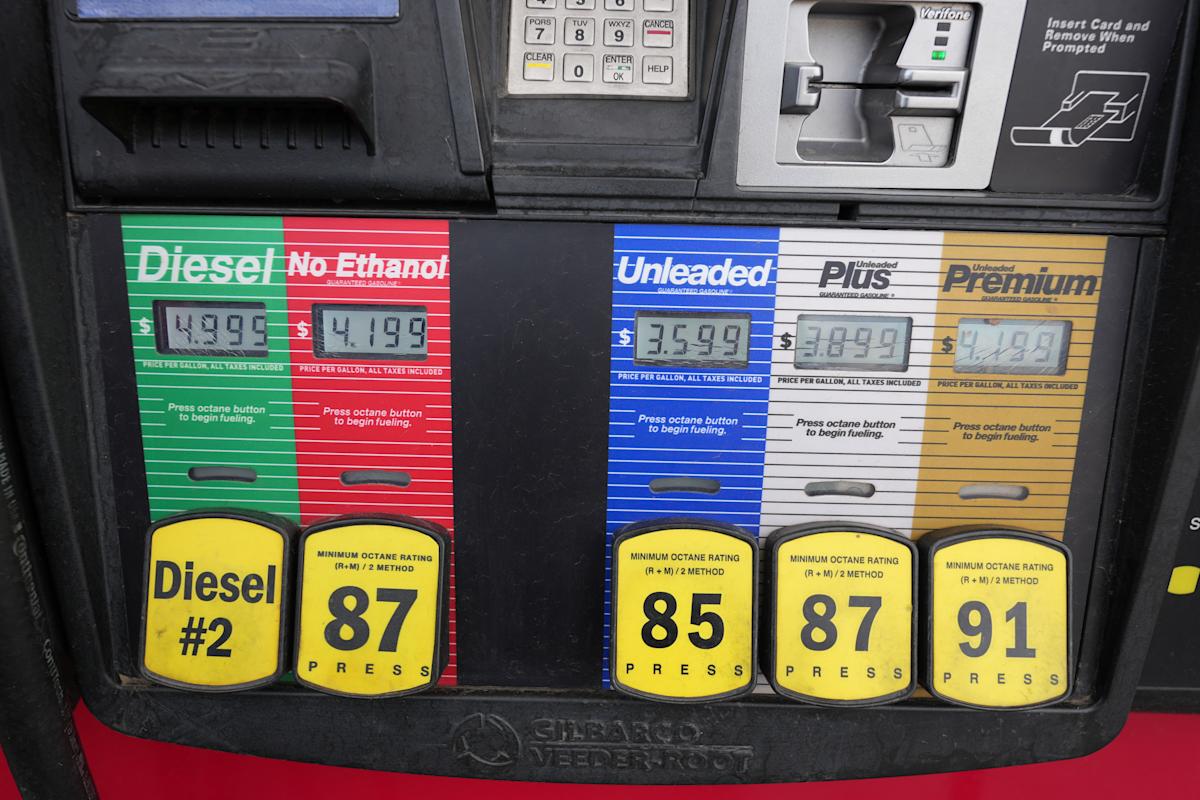
Oil has been volatile, swinging from brief highs near $120 a barrel down to relief, then back up as peace prospects dimmed. By early April, prices had dipped, only to rebound after high-level talks broke down, pushing crude back above $100 a barrel. On the consumer side, regular unleaded climbed to a national average of $4.16 a gallon on April 8, the highest since the summer of 2022. For many households, that jump is felt at the pump and at checkout lines that end up carrying higher delivery or input costs.
“With the U.S. not coming to agreement or terms with Iran, it is likely that the Strait [of Hormuz] will remain under their control and that oil prices and thus gasoline, diesel and jet fuel prices keep rising due to the likely continued closure of the Strait,” GasBuddy head of petroleum analysis Patrick De Haan warned. Those words capture the geopolitical channel driving prices: control over chokepoints and the risk of supply disruption translate directly into higher energy bills. When fuel stays expensive, consumers shift priorities and tighten the belt in predictable ways.
Sentiment metrics already reflect the squeeze. The University of Michigan’s Consumer Sentiment Index plunged to a record low of 47.6 in early April, down from 53.3 in March, with respondents citing the conflict and rising gas costs as primary worries. That kind of drop is historically significant and signals a more cautious consumer who may delay big-ticket purchases. Industries tied to discretionary spending will feel the pain first, and those effects can cascade through hiring and investment decisions.
Meanwhile, the stock market has shown signs of the shift in spending patterns, with discount retailers posting relative strength as shoppers hunt value. Big-box and warehouse chains have drawn investor attention as consumers trade down, while sectors dependent on discretionary outlays face more uncertainty. Corporations are adjusting inventories and promotions to match a consumer base that is re-prioritizing essentials over wants as energy bills rise.
For households and businesses alike, the immediate takeaway is plain: rising oil and gas prices are more than a headline; they rearrange budgets and expectations. If prices hold or climb further, the squeeze on real incomes could deepen, with consequences that extend into 2026. Watch fuel prices, consumer sentiment readings, and spending on cars and discretionary categories closely—those signals will tell you whether this price spike is a temporary sting or a longer, growth-dampening drag.
Follow @BrianSozzi
— Brian Sozzi (@BrianSozzi) Twitter
