
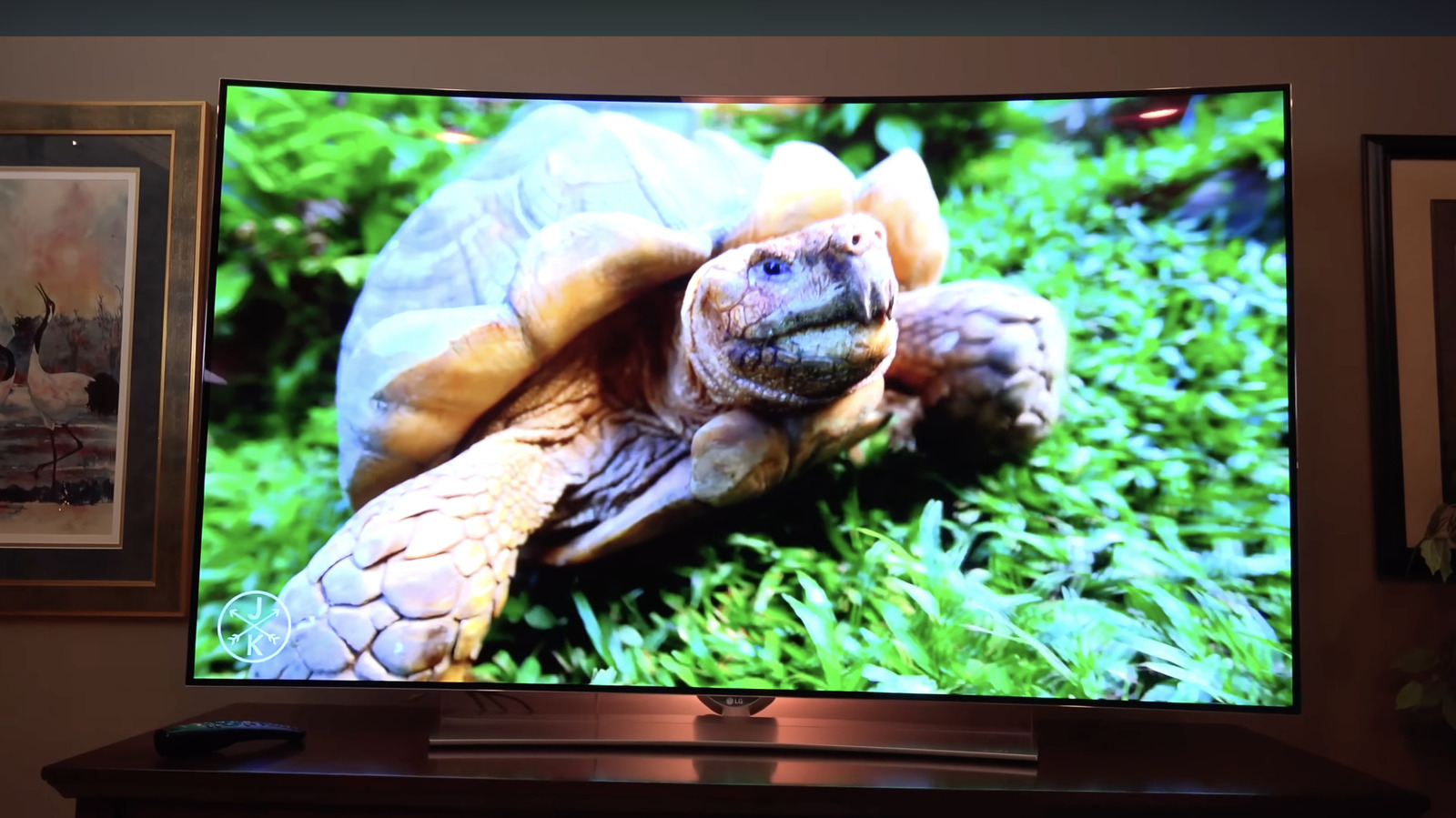
Curved TVs arrived with big promises of cinematic immersion and showroom wow, but they fizzled out for a mix of design, cost, and practical reasons; this piece explores what went wrong and why the category shrank so fast.
When curved TVs debuted, the pitch was simple: a subtly bowed screen would wrap images around you and make everything feel more immersive. The idea sounded great on paper and looked futuristic in stores. In practice, that carefully controlled demo environment did not match most living rooms.
One persistent problem was viewing geometry. Curved screens create a sweet spot where the image aligns best, and anyone sitting off-center sees distortion or inconsistent contrast. Families and living rooms rarely arrange seating like a home theater, so the curved advantage often turned into a practical drawback.
Reflections and glare were another unglamorous truth buyers discovered. Curved glass can concentrate light differently and amplify reflections from windows or lamps. For many, that meant you needed to rearrange a room or live with distracting highlights on the screen.
Manufacturing and retail pricing also played a role. Curved panels cost more to produce and required special stands or mounts to display them properly. When the premium didn’t match a clear everyday benefit, shoppers chose flat screens that delivered similar picture quality for less money.
> “Curved TVs once promised an immersive future, but quickly faded from living rooms. What went wrong with this tech trend, and why did buyers lose interest?”
Content and source material didn’t help the cause either. Most streaming, cable, and broadcast formats are produced for flat displays, not for a curved field of view. The mismatch meant the promised cinematic wrap-around experience was often theoretical instead of tangible.
Retail presentation created unrealistic expectations. In showrooms, manufacturers could control lighting, viewing distance, and angle to make curves look magical. At home, with uneven lighting and family seating, the effect faded fast and consumers felt underwhelmed.
Design choices pushed for style over practicality in some cases. Many curved models were designed as statement pieces with shallow stands or fixed bases that made wall-mounting awkward. That limited placement flexibility compared to flat screens that adapt easily to existing living spaces.
Another factor was the rapid improvement in flat-screen technology. OLED and high-end LED panels improved contrast, color, and viewing angles without needing to bend the glass. When flat screens matched or exceeded visual quality, curve became an optional novelty rather than a must-have innovation.
Manufacturers responded by cutting back on curved models, shifting R and D and showroom space to features buyers actually wanted. That market retreat signaled to consumers that curve was niche, reducing confidence and retail momentum. Once shelf space shrank, mainstream adoption faltered further.
There are still niche use cases where curved displays shine, like some ultra-wide monitors for gaming or specialized multi-screen setups that benefit from the wrap. In those controlled contexts the geometry can enhance immersion without the drawbacks seen in family TV rooms. But those are exceptions rather than the rule.
Ultimately, the curved-TV arc is a lesson in matching tech promise with real-world use. A good idea in a demo booth needs clear, consistent benefits for everyday life to stick. Without that, even dramatic-looking innovations risk becoming a blink in the product cycle.
Buying advice is straightforward: prioritize picture quality, viewing angle performance, and how a screen will fit into your living space. If you want immersion, test a set in your room and from multiple seats before committing. Otherwise, a flat panel will almost always deliver better value and fewer surprises.
