
Golden Tempo’s team made a choice that shifts the conversation from chasing Triple Crown timelines to long-term planning, sparking debate about racing priorities and the horse’s next moves. The decision to skip the Preakness reframes what success looks like in a sport obsessed with back-to-back glory, and it puts the spotlight on careful management and future value. This piece unpacks the reasons, the likely path ahead, and what it means for connections and fans.
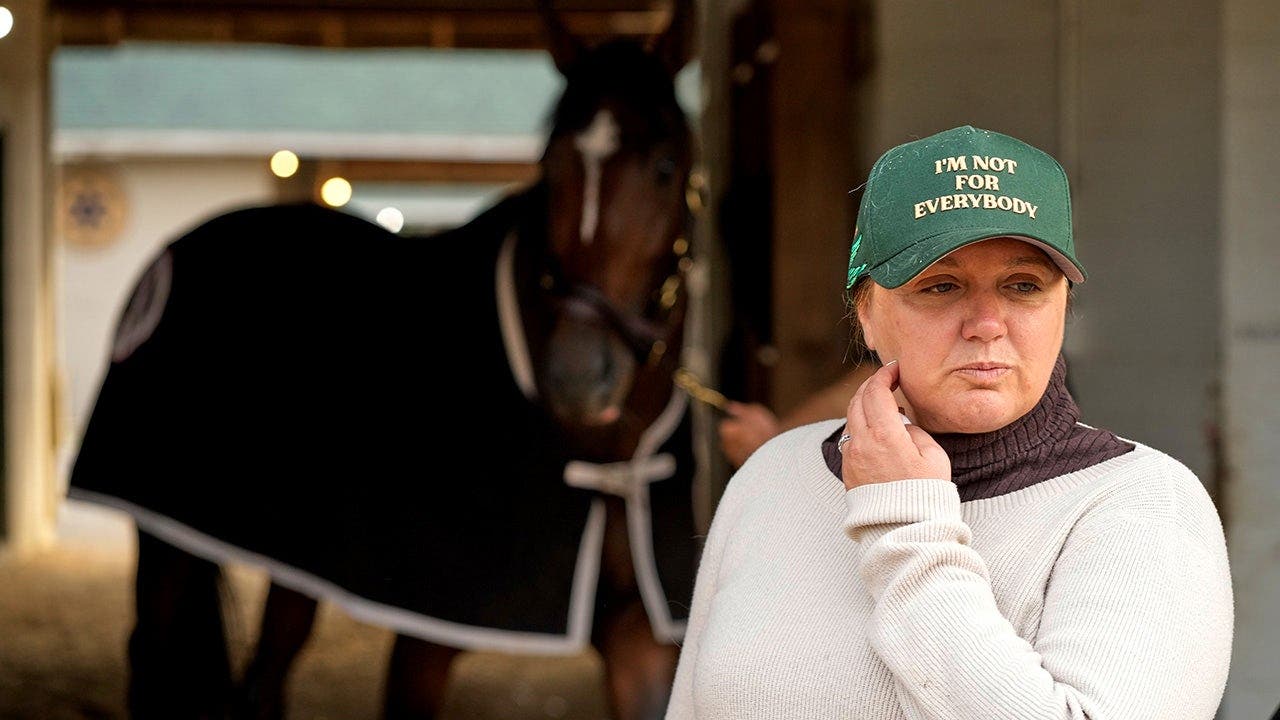
Kentucky Derby winner Golden Tempo is skipping the Preakness Stakes and trainer Cherie DeVaux said the team decided to prioritize the horse’s career. That single line carries weight: it signals a deliberate choice to protect the horse’s health and shape a campaign that could extend earnings and longevity. In an era where every race is measured against history, choosing the long game can be as bold as racing for immediate prestige.
The move is about more than avoiding a quick turnaround; it reflects the realities of modern thoroughbred management. Trainers and owners juggle competing pressures: owner expectations, breeding potential, public appetite for spectacle, and the physical toll of a rigorous schedule. Sitting out an intermediate classic can give a young horse time to mature, recover, and arrive at future targets in top form rather than stretched thin.
From a business standpoint, the calculations are straightforward. A careful plan can preserve a horse’s value, reduce injury risk, and build a more reliable resume for lucrative later races or stud prospects. For owners, sometimes a steady path that secures consistent high-level performances outweighs a single shot at historic glory. That pragmatic approach often wins out when the horse’s long-term soundness is on the line.
Fans and the media may feel shortchanged when a Derby winner skips a marquee rematch, but the racing calendar is full of meaningful targets that reward patience. Connections can aim for races that suit Golden Tempo’s style and recovery timetable, potentially lining up for summer or fall features where preparation time is longer and fields can be more favorable. Thoughtful placement also minimizes the rough-and-tumble that sometimes accompanies back-to-back classics.
Trainer decisions like this one highlight the human side of racing: judgment calls made in barns, on walks, and in conversations about what’s best for a living athlete. Cherie DeVaux’s mention of prioritizing the horse’s career is a reminder that the team’s daily work matters as much as headline results. It’s about managing soreness, fine-tuning training, and protecting a horse that has already proven its ability to win at the highest level.
There’s also the breeding angle, which quietly influences many top-level choices. A Derby victory already enhances Golden Tempo’s future value, and preserving a clean health record can further solidify appeal when racing days are over. Owners often balance on-track ambition with long-term genetic investment, so skipping a race can be an exercise in safeguarding a horse’s future stud potential as much as its current welfare.
In the coming weeks connections will map out a campaign that reflects this pause: target races with the right distance, surface, and timing to showcase the horse without pushing too soon. That plan will likely be conservative at first, designed to reestablish peak fitness and confidence. If Golden Tempo returns to the track with measured success, the decision to skip the Preakness will look less like avoidance and more like strategic stewardship.
For a sport that lives on drama and tradition, the quieter story of career management deserves attention too. The choice to prioritize the horse’s career acknowledges the realities behind every headline: the trainers, veterinarians, and owners who must decide what success really means. In the end, keeping a champion healthy and competitive is an outcome that matters long after the cameras have moved on.
