
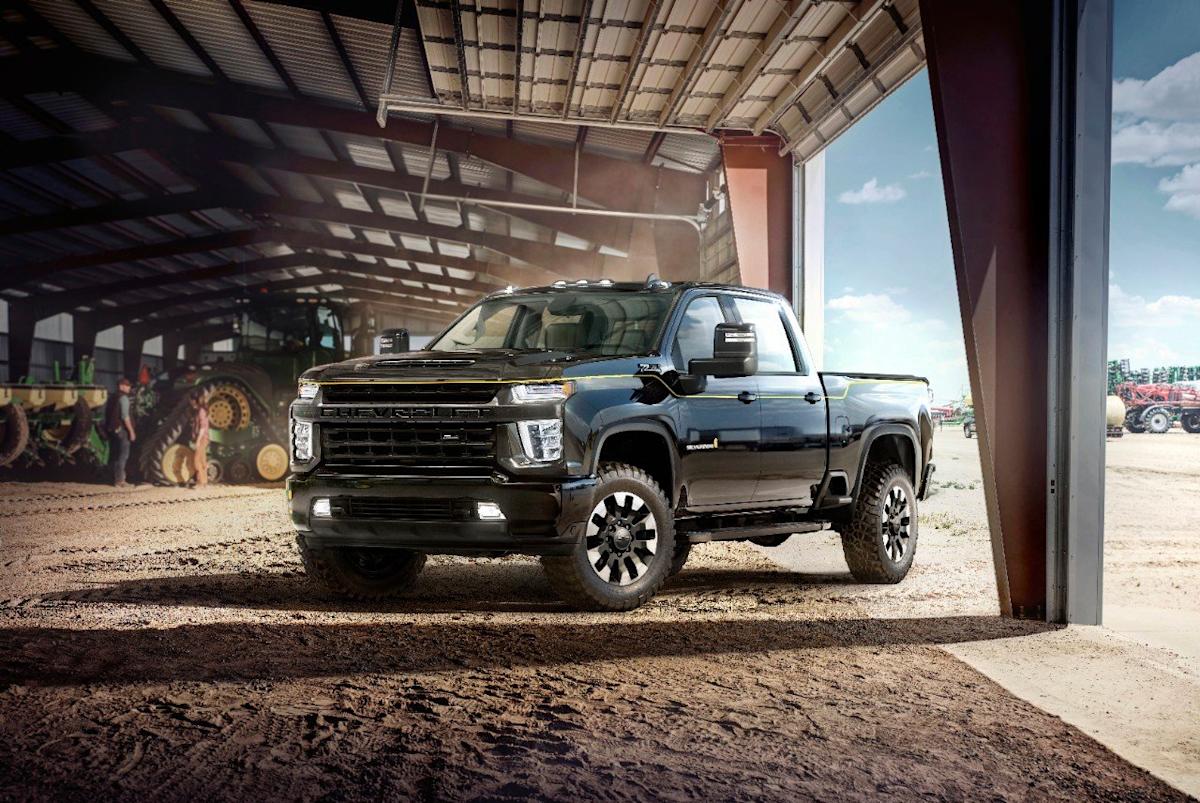
General Motors is shifting gears on its U.S. spending, funneling targeted cash into transmission lines, propulsion plants, and casting operations to lift margins and power its most profitable vehicles. This update outlines what GM is funding, why those moves matter for near-term profits, and why the company’s latest capital choices look less risky than past EV gambles.
Five years ago GM announced an ambitious $35 billion plan for electric and autonomous vehicles, a headline that shifted investor expectations and later led to painful write-downs when demand and policy angles changed. That era left shareholders wary of big, long-range bets that required heavy upfront spending and uncertain payoffs. The memory of those costs still shapes how investors view any new round of capital outlays from Detroit.
Now GM is making more modest, focused commitments that directly support its core bread-and-butter vehicles. The automaker is adding another $300 million to expand transmission capacity at a plant near Detroit, topping up a $300 million allocation made late last year, and it doubled a previous $40 million pledge to boost transmission output at an Ohio facility. These are production plays meant to remove bottlenecks and increase the supply of parts that go straight into high-demand trucks and SUVs.
Beyond transmissions, GM is plowing funds into propulsion and casting operations that underpin next-generation V8 powertrains. The company announced a $505 million investment in a propulsion plant in Ontario to manufacture next-generation V8 engines for pickups and SUVs, and it will spend $150 million at a Michigan metal-casting plant to increase capacity for sixth-generation V8 engine components. Those factories will be central to models like the Chevrolet Corvette and full-size pickups that carry strong pricing power.
These moves are part of a broader U.S. manufacturing push: GM says it has invested more than $6 billion in American plants since 2025, including money to ready the redesigned Chevrolet Silverado and GMC Sierra for production. That sort of concentrated reinvestment into established product lines signals a priority shift toward reliability and profitability over speculative, long-range experiments. Investors like clarity, and GM is handing them clearer cause-and-effect between capital and revenue.
From an earnings perspective, there’s a simple math reason this matters: full-size trucks fatten margins. They cost only a bit more to build than mainstream sedans but can carry price tags that push into luxury territory, which means each truck sold contributes disproportionately to profit pools. When a manufacturer can produce more of those vehicles without resorting to heavy incentives, the company’s bottom line improves faster than revenue growth alone would suggest.
Design cycles also play a role. Redesigned and refreshed models tend to sell better and require fewer incentives, which translates into healthier margins and less dealer discounting. Investing in the plants and parts that enable a timely launch of new or updated trucks reduces the risk of production delays that would otherwise force blue-light price cuts and margin erosion. That operational leverage is a key part of why these particular investments feel more dependable.
Headlines about billion-dollar spending still provoke anxiety, but there’s an important distinction here: these allocations are relatively modest, targeted, and tied to vehicles that already carry strong demand and price resilience. In short, GM is cranking up U.S. investments again, but this time the bets are shorter, clearer, and engineered to move the profit needle sooner rather than later.
If you’re weighing GM as an investment, consider the same trade-offs any prudent buyer would: the company’s short-term ability to squeeze higher margins from trucks and SUVs; the durability of consumer demand for full-size pickups; and the risks tied to broader market shifts, including EV adoption trends and macroeconomic headwinds. Those factors will determine whether these focused capital moves translate into sustained shareholder value.
